-
E-mail
913995312@qq.com
-
Phone
18028748540
-
Address
9th Floor, Building 1, Jiayu Industrial Park, No. 162 Shajiang Road, Songgang, Bao'an District, Shenzhen, Guangdong Province
Shenzhen Odyssey Chuang Precision Instrument Co., Ltd
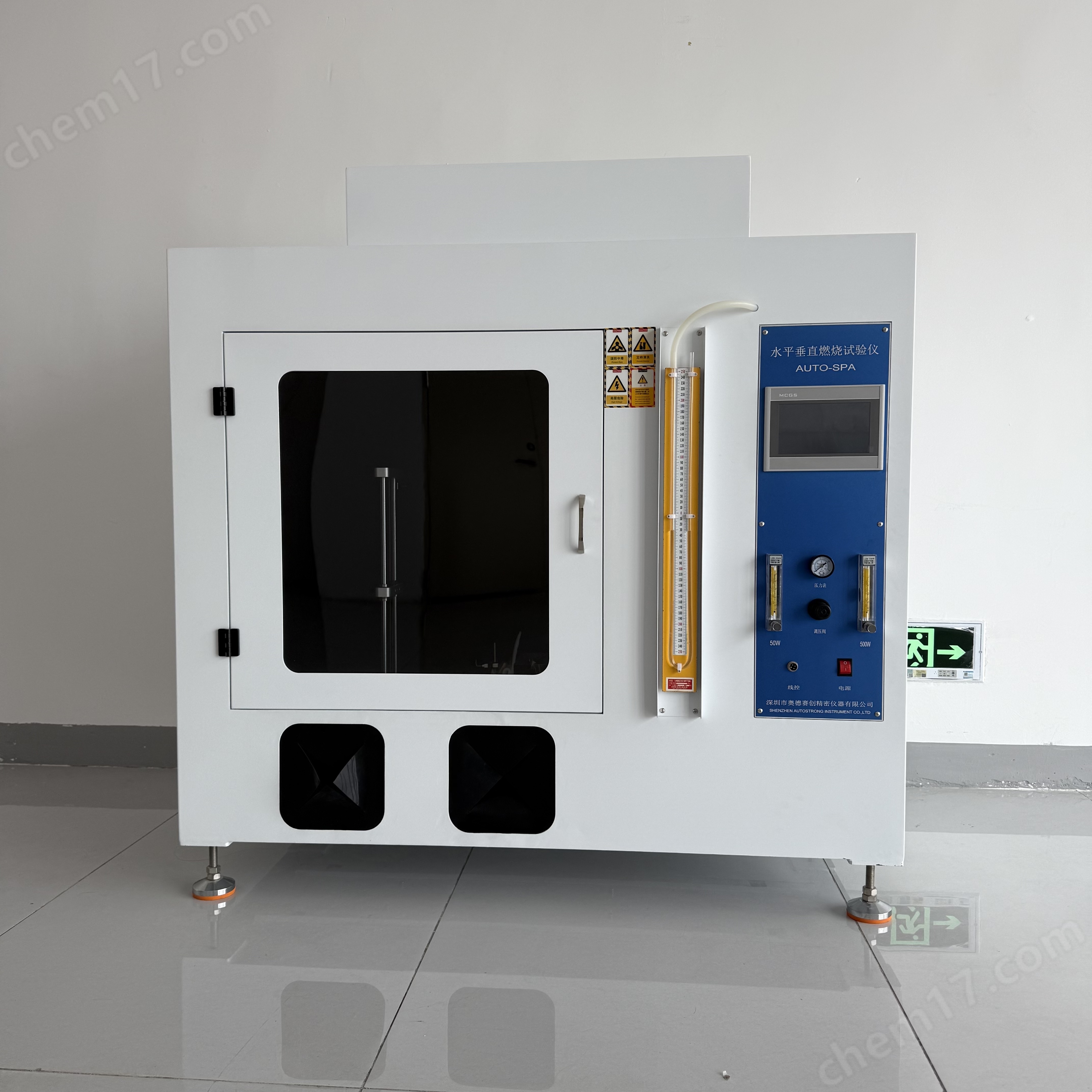
Practical Techniques for Flame Calibration and Leak Detection of Horizontal and Vertical Combustion Testers
Date: 2025-12-13Read: 1
In the field of material flame retardant performance testing, horizontal and vertical combustion testers are key equipment, and precise flame control and stable gas supply are crucial to the reliability of test results. Once abnormal flames or gas leaks occur, it not only wastes resources but may also mislead the judgment of material combustion characteristics. Here are some practical flame calibration and leak detection techniques.
1、 Key points of flame calibration
1. Gas selection and pressure regulation: Ensure compliance with usage standardsHorizontal and Vertical Combustion TesterThe required pure gas, such as propane or butane. After connecting the gas source, slowly open the gas cylinder valve, observe the pressure gauge on the pressure reducing valve, and accurately adjust the output pressure to the specified value of the instrument, usually in the range of 0.1-0.2 MPa. Unstable pressure can cause flame jumping, affecting the flame angle and heat output.
2. Flame height setting: After igniting the gas, use the built-in ruler or gauge of the instrument to adjust the flame height according to the standard.
3. Temperature calibration: Some testing instruments are equipped with thermocouples for temperature measurement, and are regularly compared with standard temperature sensitive elements. Place the thermocouple in a specific position on the flame, wait for the displayed value to stabilize, compare the displayed value with the actual temperature, and when the error exceeds 5 ℃, adjust the temperature control circuit parameters according to the instructions to ensure constant heat supply during flame application and simulate a real fire scene.
2、 Leak detection method
1. Initial appearance inspection: Close all valves, cut off power, and apply soapy water to pipeline joints, valve seals, gas hoses, and other areas. Carefully observe whether there are any bubbles emerging. If there are, it indicates that there is a leak in this area. Immediately tighten the loose nut or replace the aging washer; For minor leaks, an electronic leak detector can be used to locate the suspected point based on the alarm sound.
2. Pressure monitoring method: Turn on the gas source, record the initial pressure, close the outlet, and let it stand for a period of time. If the pressure drops significantly, it indicates that there is a leak in the system. Segmented isolation and investigation, sequentially closing different branch valves, narrowing down the range until the leaking pipe section is found, with a focus on checking for sand holes at the welding points and wear on the valve core inside the valve.
3. Smoke testing assistance: When dealing with complex pipelines or suspected hidden leaks, inject non-toxic smoke agents into the system, turn on the fan, observe the smoke escape path, visually present the airflow direction, and accurately locate the leakage gap. It is especially suitable for testing instruments with multiple nested layers and compact layouts.
In short, mastering the flame calibration and leak detection techniques of horizontal and vertical combustion testers can ensure the normal operation of the instruments, provide solid support for material combustion performance evaluation, and assist in the efficient development of scientific research and quality inspection work.