-
E-mail
fenk2023@163.com
-
Phone
13530619657
-
Address
No. 82, Jiaoyu North Road, Pingdi Street, Longgang District, Shenzhen
Shenzhen Fink Instrument Co., Ltd
Key steps for on-site calibration of portable water quality measuring instruments
Date: 2025-08-06Read: 0
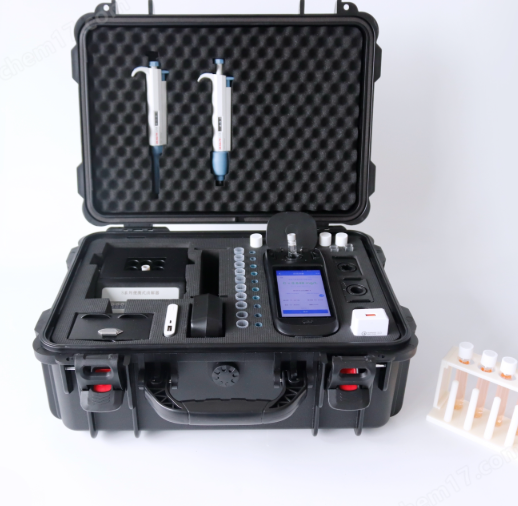
Portable water quality analyzerThe key steps of on-site calibration mainly include the following aspects:
1、 Preparation before calibration
1. Standard solution configuration:
-Use internationally or industry certified standard fluids to ensure their accuracy and reliability.
-Select an appropriate standard solution concentration based on the characteristics of the water sample to be tested and the measurement range of the instrument.
-Check the expiration date of the standard solution to ensure that it is used within the expiration date.
2. Equipment inspection:
-Check whether the appearance of the portable water quality tester is intact, whether the buttons are flexible, and whether the display screen is clear.
-Ensure that the battery is fully charged and the instrument can function properly.
-For instruments that require preheating, follow the instructions to preheat them.
2、 Calibration steps
1. Zero point calibration:
-Using purified water or distilled water as the zero calibration solutionPortable water quality analyzerAdjust the absorbance or corresponding parameters to zero.
2. Range calibration:
-Use a standard solution of known concentration for range calibration.
-According to the instrument prompts, add the standard solution to the instrument and perform calibration operations according to the instructions.
-Ensure that the calibration results are within the specified error range.
3. Parameter calibration (for multi parameter water quality measuring instruments):
-Calibrate according to the measurement parameters of the instrument, such as pH, dissolved oxygen, conductivity, turbidity, etc.
-For example, for pH calibration, buffer solutions such as pH 4.01, 6.86, 9.18 can be used for two-point or multi-point calibration; For dissolved oxygen calibration, zero oxygen solution and air saturated water can be used for calibration.
3、 Verification and maintenance after calibration
1. Verify accuracy:
-Use third-party standard solution for retesting to verify the accuracy of calibration results.
-Compare historical data or another calibrated instrument to ensure consistency of measurement results.
2. Equipment maintenance:
-Immediately rinse all sensors with deionized water after calibration to avoid any residue affecting the measurement results.
-For electrodes that need to be soaked (such as pH electrodes and dissolved oxygen electrodes), soak them in a dedicated storage solution to avoid drying.
-Regularly inspect and maintain instruments to ensure they are in good working condition.
4、 Precautions
1. Strictly follow the operating procedures:
-Operate according to the instrument manual and calibration specifications to avoid operational errors that may cause damage to the instrument or deviation in measurement results.
2. Safety protection:
-During the calibration process, pay attention to the safe use of chemical reagents to avoid splashing or leakage that may cause harm to personnel.
3. Environmental requirements:
-Ensure a stable and interference free calibration environment, and avoid the influence of environmental factors such as temperature and humidity on the calibration results.
Portable water quality analyzerThe key steps of on-site calibration include preparation before calibration, calibration steps, verification and maintenance after calibration, and precautions. Only by strictly following these steps can the accuracy of calibration results and the stability of the instrument be ensured.