-
E-mail
531172201@qq.com
-
Phone
13560799601
-
Address
5th Floor, Building 6, Longbi Industrial Zone, Bantian Street, Longgang District, Shenzhen
Shenzhen Dongri Yingneng Technology Co., Ltd
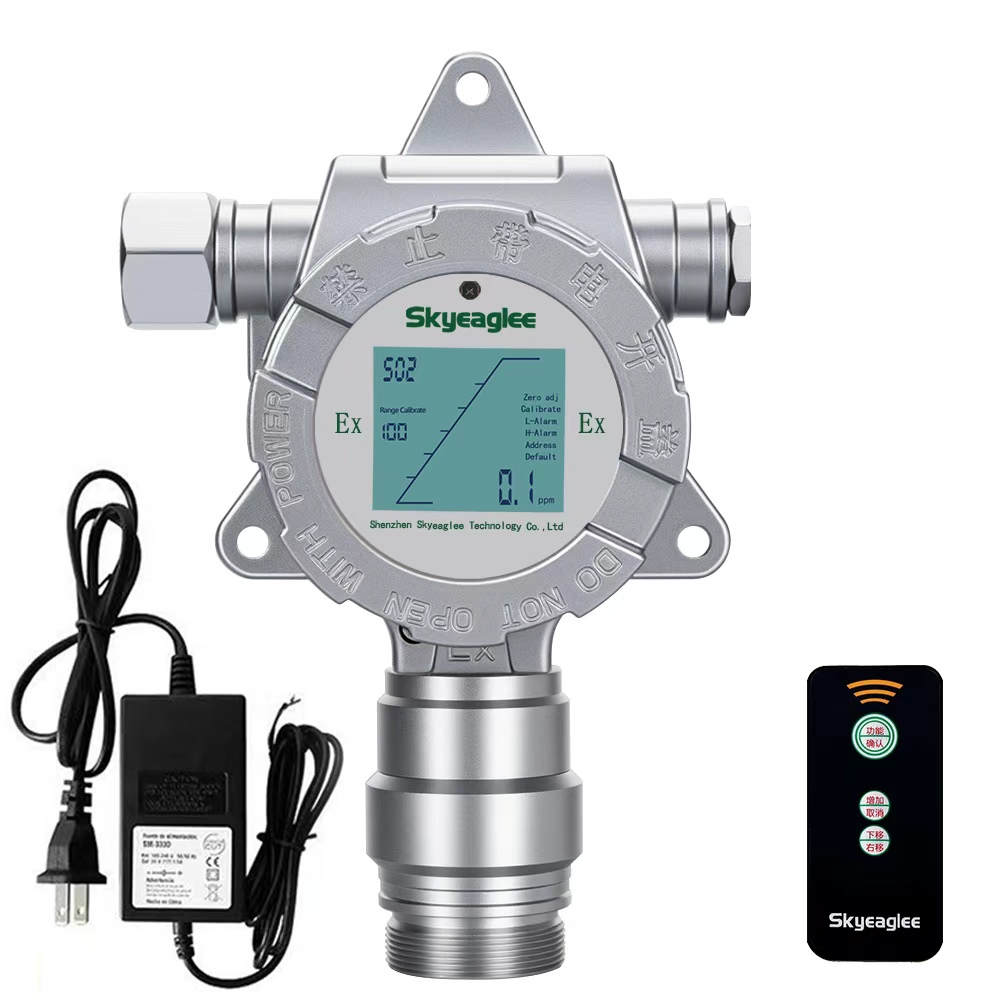
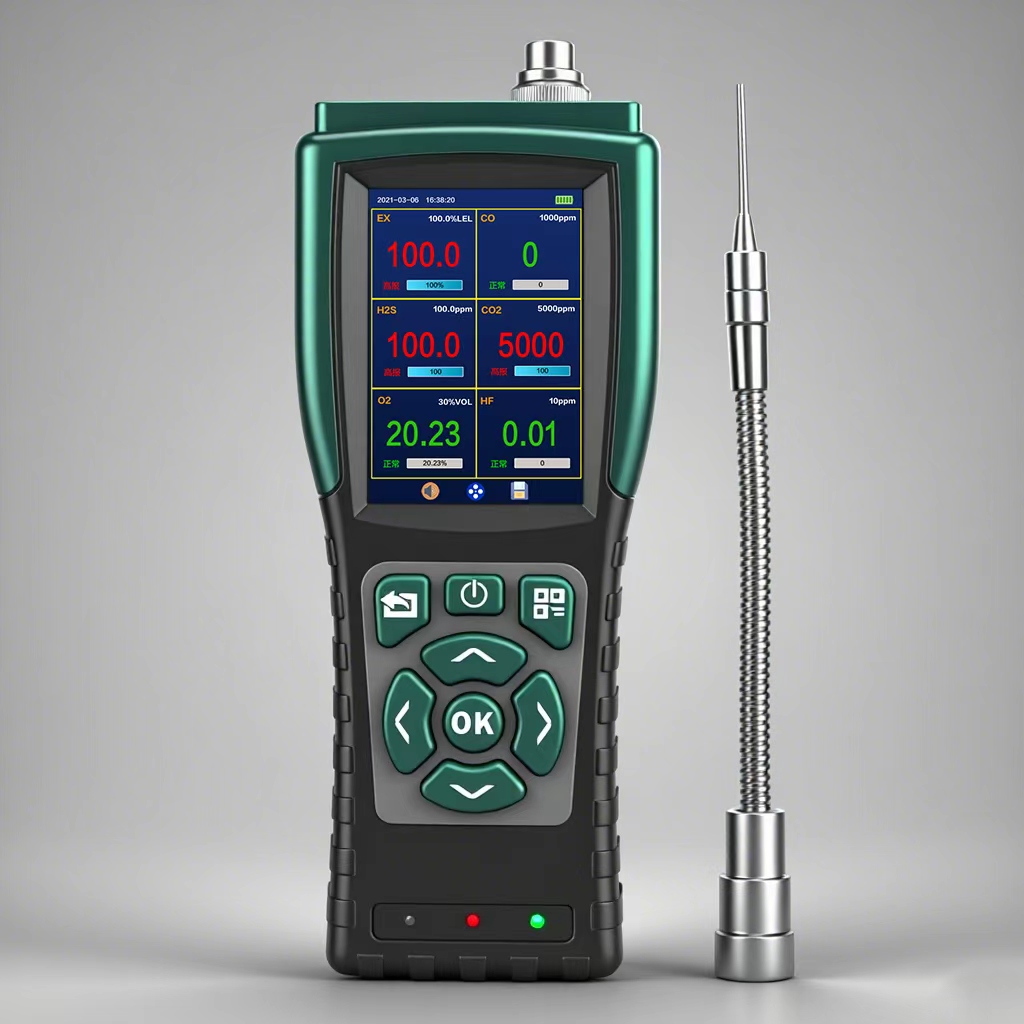
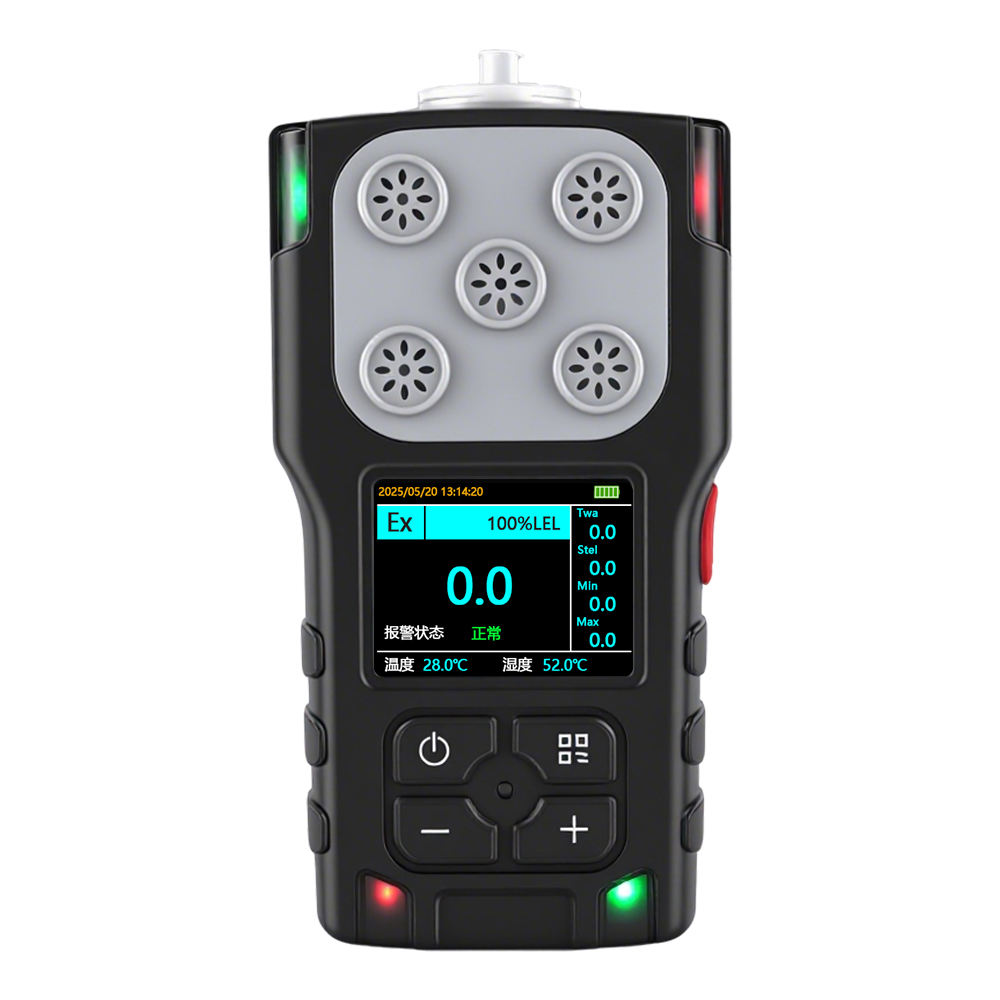
What industries generally require ethylene detectors? What concentration is usually measured
Date: 2025-12-24Read: 2
1、 Industries that require ethylene detectors
The demand for ethylene detectors mainly revolves around two core characteristics:One is as a flammable and explosive gas (safety risk), and the other is as a biologically active plant hormone (quality control).
1. Petrochemical and energy industry (core requirement: safety and explosion prevention)
Ethylene production and refiningMonitor core areas such as ethylene cracking units, separation towers, compressors, and reactors to prevent process leaks.
Downstream chemical plantsFactories that use ethylene as raw material, such as polyethylene (PE), polyvinyl chloride (PVC), ethylene glycol, styrene and other production facilities.
Storage and transportation facilitiesEthylene spherical tanks, pipelines, tanker loading and unloading stations, torch gas recovery systems, etc.
Natural gas processingSome natural gas may contain ethylene components and need to be monitored.
2. Industrial gases and specialty manufacturing industry
Industrial Gas CompanyConduct safety monitoring in the filling, storage, packaging, and supply processes of ethylene.
Semiconductor manufacturing industryIn some chemical vapor deposition (CVD) processes, ethylene may be used as a carbon source precursor, requiring precise control of environmental safety.
Welding and metal cuttingIn situations where ethylene is used as fuel gas (although not as common as acetylene), explosion-proof monitoring is required.
3. Agriculture, food and cold chain logistics industry (core requirement: quality control)
Large scale fruit and vegetable preservation warehouseApples, bananas, kiwis, tomatoes, etc. release ethylene during storage. Monitor and ventilate or use ethylene removal agents to extend the shelf life.
Cold chain logistics and transportationMonitor ethylene concentration in refrigerated containers and modified atmosphere transport vehicles to ensure the quality of agricultural products during transportation.
Fruit and vegetable ripening processing workshopA centralized ripening room for bananas and mangoes is neededPrecise control and monitoringEthylene concentration (usually in ppm level) is used to achieve ripening effect.
Modern greenhouseMonitor the ethylene produced by the combustion of gas heating equipment to prevent physiological hazards such as premature aging to crops (such as orchids and tomatoes).
4. Safety, environmental protection and emergency industry
Fire and emergency rescueUsed for rapid detection of leakage sources and delineation of hazardous areas at chemical accident sites.
Occupational Health and SafetyBefore entering confined spaces (tanks, pipelines) where ethylene may be present, conduct safety checks.
Environmental monitoring stationStudy the concentration of ethylene as a precursor of photochemical pollutants in the atmosphere of urban or industrial areas.
5. Research and Laboratory
Plant Physiology ResearchAccurately control the concentration of ethylene in the experimental environment and study its effects on plant growth, development, and aging.
Catalysis and Chemistry ResearchProcess monitoring or exhaust gas detection in experimental devices involving ethylene synthesis, polymerization, or conversion
Summary and selection suggestions
Application scenarios main purpose Typical range Recommended sensor technology Chemical plant, storage tank area Explosion proof and leak proof 0-100% LEL Catalytic combustion (combustible gas detection) Inspection and emergency response Quickly detect leaks 0-100% LEL or 0-10000 ppm Catalytic combustion or broad-spectrum PID (capable of measuring multiple VOCs) Fruit and vegetable preservation warehouse, cold chain Quality monitoring and extended preservation 0-10 / 0-100 / 0-1000 ppm NDIR or high-precision PID Fruit and vegetable ripening workshop Process control 0-1000 ppm NDIR (Stable, Accurate)
Summary: The specific configuration needs to be analyzed based on the on-site working conditions, and the gas detector needs to be configured according to the requirements.