-
E-mail
zxm_sydd@126.com
-
Phone
13909823973
-
Address
Room 1512, No. 1-4-3, 20th Central Street, Shenyang Economic and Technological Development Zone, Liaoning Province
Shenyang Rongye Experimental Instrument Manufacturing Co., Ltd
The important role of aluminum electrolyte conductivity meter in electrolytic aluminum production
Date: 2025-08-17Read: 2
Aluminum electrolyte conductivity meter is a specialized instrument used to measure the conductivity of aluminum electrolyte solutions, widely used for monitoring and controlling aluminum smelting, electrolytic aluminum production, and related industrial processes. Conductivity is an important parameter for measuring the concentration of electrolyte ions in a solution, which is crucial for ensuring the stability and efficiency of the electrolysis process.
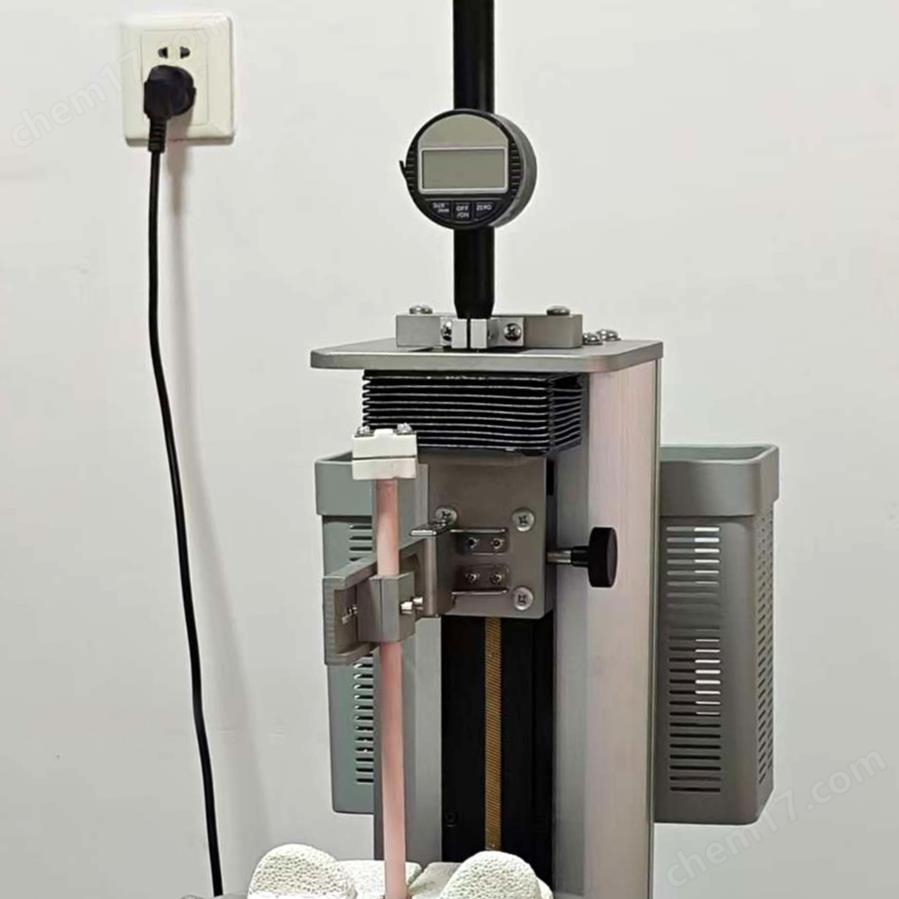
Aluminum electrolyte conductivity meterBasic workflow:
1. Electrode measurement: The conductivity meter places two electrodes in the solution and applies a certain voltage to the solution. Ions in the solution undergo directional motion under the action of an electric field, forming a current flow.
2. Relationship between current and voltage: The conductivity meter measures the current intensity between electrodes and calculates the conductivity based on Ohm's law. Conductivity is inversely proportional to current and the resistance of a solution, therefore, a conductivity meter can indirectly obtain conductivity by measuring resistance.
3. Frequency adjustment: Due to the large variation in ion concentration of aluminum electrolyte solution, in order to avoid the influence of electrode polarization, conductivity meters usually use high-frequency signals to measure conductivity. This high-frequency signal can effectively reduce the influence of electrode surface deposits and improve measurement accuracy.
Design features:
1. Corrosion resistance: Aluminum electrolyte solutions usually have strong corrosiveness, so the electrode and housing materials of conductivity meters must have corrosion resistance, and materials such as stainless steel and titanium alloys are often used.
2. High precision measurement: The conductivity of aluminum electrolyte solution is usually high and fluctuates greatly under different operating conditions, so the conductivity meter needs to have high accuracy and response speed to ensure the accuracy of real-time monitoring.
3. High temperature resistance: Aluminum electrolyte solution generates high temperatures during the electrolysis process, so the working temperature range of the conductivity meter needs to reach a high standard, usually 0-100 ° C or even higher.
4. Automatic calibration function: In order to improve measurement accuracy, automatic calibration function is commonly equipped. Through automatic calibration, the instrument can adjust itself according to the actual measurement situation, ensuring the accuracy of the data.
5. Signal processing and display: The signal processing system of the conductivity meter can amplify, filter, and process the electrical signals obtained by the sensor, and finally display the measurement results to the user in numerical or graphical form through the display module.
The important role of aluminum electrolyte conductivity meter in electrolytic aluminum production:
1. Ensure the stability of the electrolysis process: During the production of electrolytic aluminum, the conductivity of the electrolyte solution directly affects the conduction of current. If the conductivity of the electrolyte solution is too low, the current cannot be effectively conducted, which can lead to a decrease in the efficiency of the electrolytic cell and even cause the electrolysis process to stagnate. By monitoring conductivity in real-time, this situation can be avoided.
2. Improve energy efficiency and productivity: Real time monitoring of conductivity meters can help optimize the distribution of current density in the electrolysis process, ensuring maximum current utilization efficiency, thereby improving the energy efficiency and productivity of aluminum smelting.
3. Reduce energy consumption: Conductivity meters can help regulate the operating conditions of electrolytic cells, avoid energy waste during the electrolysis process, reduce energy consumption in aluminum smelting, and have important energy-saving effects.
4. Optimize electrolytic cell maintenance: The conductivity of the electrolytic cell changes with increasing usage time, which may result in a decrease in electrolyte concentration or other issues. By regularly detecting conductivity, potential issues can be identified in advance, optimizing equipment maintenance cycles and reducing production downtime.