-
E-mail
nacol@uzong.cn
-
Phone
18117305890
-
Address
Room 339, Barlow Business, 2525 Chunshen Road, Minhang District, Shanghai
Shanghai Yuzhong Industrial Co., Ltd
A comprehensive guide to using imported ICP spectrometers, from preparation to maintenance
Date: 2025-12-24Read: 0
Imported ICP spectrometers have become a powerful assistant in the field of elemental analysis due to their high sensitivity, wide linear range, and fast analysis advantages.Mastering its correct usage is the key to obtaining reliable data.
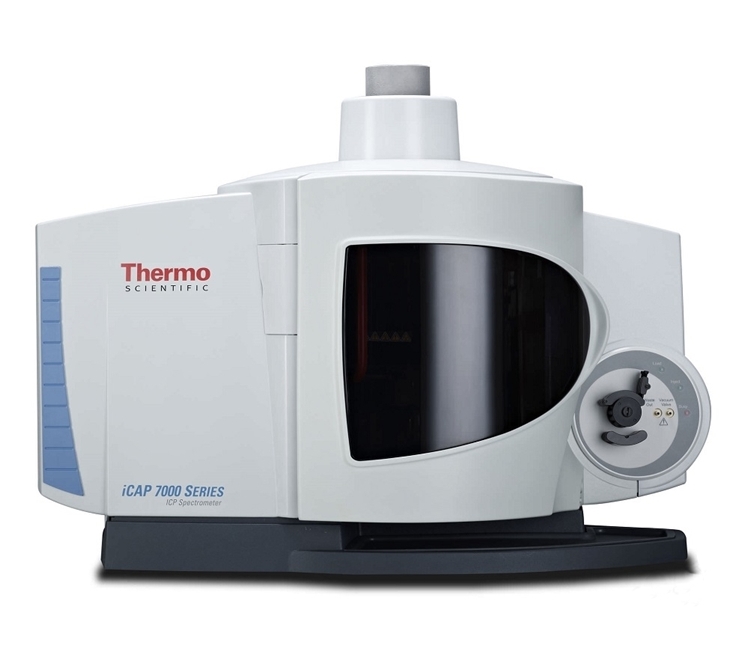
1. Preliminary preparation: Building a solid foundation for the experiment
Before use, ensure that the instrument is in a suitable environment. The temperature should be controlled at 22 ± 2.8 ℃, the humidity should be less than 60%, and it should be kept away from strong AC interference, strong airflow, and corrosive gases. It should also avoid direct sunlight and strong vibrations. The instrument should be powered on 24 hours a day to maintain the vacuum level and stability of the metering system.
Checking the status of the equipment is crucial. Confirm that the power cord, plug, host and other components are intact, the cooling water circulation system is running normally, and the pressure of the argon gas cylinder is at least 0.5MPa. Connect the argon cylinder to the equipment gas interface, turn on the ventilation power supply and the spectrometer main power supply, preheat for 30 minutes, and let all components of the instrument reach a stable working state.
2. Sample processing: Ensure accurate data
Sample processing is a crucial step in analysis. Dissolve the test sample in appropriate solvents such as nitric acid and hydrochloric acid. The solid sample needs to be digested first to ensure complete dissolution. Dilute the solution appropriately according to the sample concentration and instrument detection limit, so that its concentration is within the instrument detection range. Prepare a series of standard solutions with known concentrations to establish a standard curve, whose concentrations should cover the expected concentration range of the sample.
3. Instrument operation: Embark on the journey of analysis
Start the computer and run the control software for the imported ICP spectrometer. Follow the prompts to perform initialization settings, including setting instrument parameters such as power, argon flow rate, injection time, etc. Choose the appropriate wavelength range and integration time to ensure detection sensitivity and resolution. Use standard solutions for instrument calibration, establish standard curves, record the measured values of each standard solution, and draw standard curve graphs.
Add the sample solution and standard solution into the sample tray of the automatic sampler in sequence, set the injection sequence and quantity, and start the automatic injection program. Monitor the operational status of the instrument to ensure smooth injection and measurement processes. Record the measurement data of each sample, including spectra and integration values.
4. Data analysis: mining the value of data
Use control software for data processing and calculate the concentration of each element in the sample based on the standard curve. Analyze the results, generate a report, check the accuracy and consistency of the data, and eliminate outliers. Compare the standard curve, confirm the concentration of each element in the sample, generate a detailed analysis report, including sample information, detection parameters, result data, etc., export the report for archiving or printing.
5. Post maintenance: Extend the lifespan of the instrument
After each use of the imported ICP spectrometer, clean the injection system, atomizer, and plasma torch in a timely manner to avoid residue blockage. Regularly inspect the cooling water circulation system to ensure smooth water flow, and calibrate the instruments based on usage frequency and environmental conditions.