-
E-mail
yuanyuan.chen@timing.sh.cn
-
Phone
13918894927
-
Address
4th Floor, Building 14B, Donglong U Valley, 2104 Jinshi Road
Shanghai Tengming Biotechnology Co., Ltd
How to properly clean and maintain cell culture bottles?
Date: 2025-11-25Read: 3
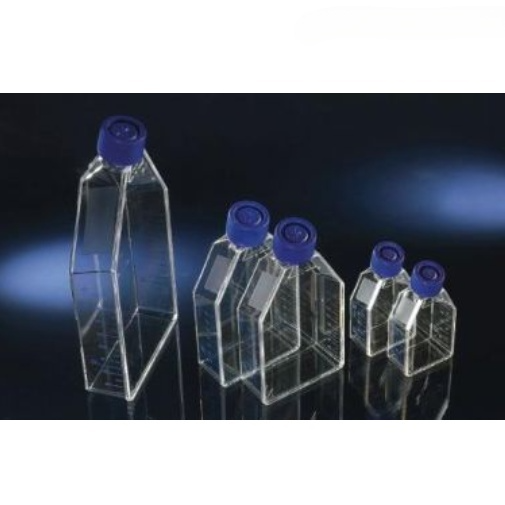
Cell culture bottles are important tools in the process of cell culture, and their quality and cleanliness directly affect the growth of cells and experimental results. Therefore, proper disinfection and maintenance are fundamental skills that every cell culture laboratory must master. The following is about how to properly clean and maintainCell culture bottleDetailed explanation.
1、 Cleaning method
Before use, it is necessary to thoroughly clean and remove any residues or contaminants that may affect cell growth. The cleaning steps usually include:
1. Removing residues: After using the culture bottle, the residual culture medium in the bottle should be poured out first, and the liquid in the bottle should be removed using a sterile pipette.
2. Preliminary cleaning: Rinse the bottle with distilled water or deionized water to remove large particles on the surface. This step is best performed using aseptic techniques to prevent contamination from external bacteria.
3. Use cleaning agents: Choose non-toxic cleaning agents suitable for cell culture, commonly concentrated detergents (such as 1% detergent solution). Pour the detergent into the culture bottle, gently rotate the bottle to ensure full contact between the detergent and the bottle wall, and remove any grease and residual culture medium from the surface inside the bottle.
4. Thoroughly rinse: After using the cleaning agent, rinse the bottle repeatedly with sterile water until there is no residue of detergent inside. Ensure that residual cleaning agents do not affect subsequent cell culture.
2、 Maintenance methods
In addition to regular disinfection, daily maintenance of cell culture bottles is also very important. Good maintenance can extend the service life of culture bottles and ensure the success of cell culture.
1. Check the bottle mouth and body: Regularly inspect the bottle mouth and body of the culture bottle for cracks, wear, or impurities. Cracks can cause the culture bottle to fail to seal, resulting in external contamination. Therefore, if cracks are found, the culture bottle should be replaced in a timely manner.
2. Avoid excessive use: After frequent use, the surface will be constantly worn and contaminated with accumulated chemicals, and long-term use will reduce its transparency and applicability. It is recommended to replace the culture bottles regularly, usually within 6 months to 1 year of use.
3. Avoid contamination: The opening of the culture bottle should be avoided from coming into contact with microorganisms in the air as much as possible, so special attention should be paid to aseptic operation during operation. When not in use, the culture bottle should be capped or stored in a clean environment.
4. Storage conditions: When not in use, it should be stored in a dry and cool place, avoiding direct exposure to sunlight. Sunlight and heat can accelerate the aging of plastic bottles, affecting their service life.
The disinfection and maintenance of cell culture bottles are crucial for the smooth progress of cell culture experiments. Through standardized cleaning and disinfection procedures, not only can the sterile environment for cell culture be ensured, but the service life of the culture bottle can also be extended, reducing the risk of microbial contamination in experiments. For any laboratory personnel, mastering the correct processing methods is an important foundation for ensuring the quality of cell culture.