-
E-mail
athscientific@outlook.com
-
Phone
18915460793
-
Address
3rd Floor, Building 3, Saicheng Science and Technology Innovation Industrial Park, No. 1269 Puwei Road, Fengxian District, Shanghai
Shanghai Ruiyue Experimental Equipment Co., Ltd
How to choose a suitable fluorescence quantitative PCR instrument: functional and performance analysis
Date: 2025-11-25Read: 2
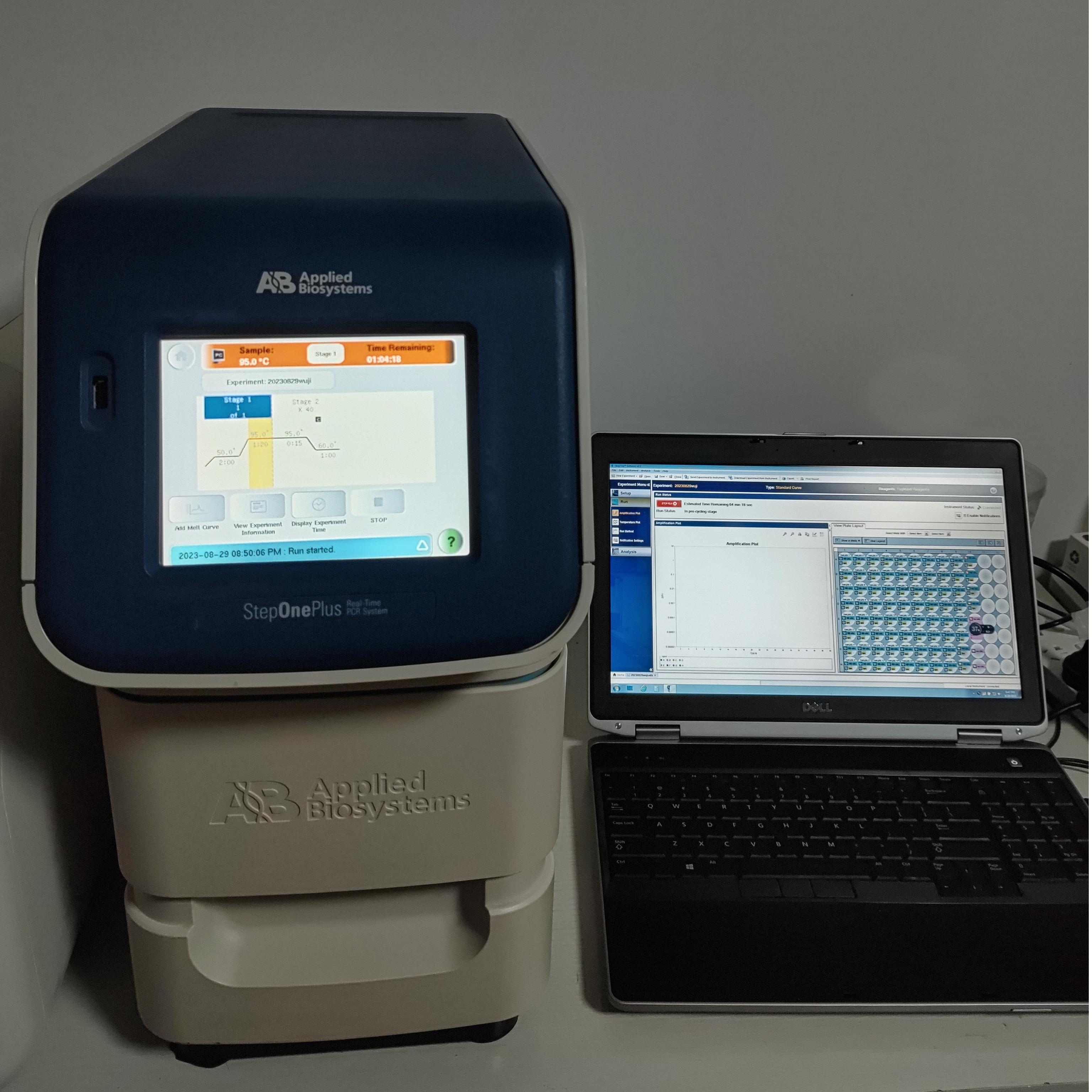
Choosing a suitable fluorescence quantitative PCR instrument is crucial for the accuracy and reliability of the experiment. When making a choice, you need to consider the following key features and performance:
1. Number of detection channels
Multi channel detection: Modern qPCR machines support multi-channel detection and can simultaneously detect multiple target genes. When selecting, it is necessary to confirm whether the instrument supports the dyes and probes you need.
Single channel vs multi-channel: If you only perform single gene testing, a single channel instrument is sufficient; But if multiple genes need to be detected simultaneously or multiple dyes need to be used, multi-channel instruments are required.
2. Temperature control system
Accuracy and uniformity: Temperature control accuracy is crucial in PCR reactions, as uneven temperature control can affect amplification efficiency. High quality instruments will have higher temperature control accuracy and uniformity.
Temperature range: Check if the temperature range of the instrument is suitable for your experimental needs, usually covering common annealing temperatures and extension temperatures.
3. Optical system
Sensitivity: The sensitivity of the optical system directly affects the detection of fluorescence signals. Choosing instruments with higher sensitivity can improve the accuracy and reliability of data.
Light source type: Some instruments use LED light sources, while others use laser light sources. LEDs typically have a longer lifespan and higher energy efficiency.
4. Software and Data Analysis
Data analysis function: A good qPCR instrument should be equipped with powerful analysis software that can automatically perform data normalization, standard curve analysis, relative or absolute quantitative analysis, etc.
Usability: The software should have an intuitive user interface that facilitates quick learning and operation for users.
5. Speed of the instrument
Reaction speed: Efficient thermal cycling and data acquisition can significantly improve experimental speed. Considering the flux of the experiment, choosing instruments with shorter cycle times can help improve work efficiency.
6. Stability and reproducibility
Long term stability: High quality instruments can maintain stability over long periods of operation, ensuring data consistency and reliability.
Performance stability: Whether the performance of the instrument will decrease over time or with increasing usage.
7. Price and cost-effectiveness
Budget considerations: There are significant price differences among qPCR instruments in the market. Choose appropriate instruments based on experimental requirements and budget, especially balancing price and performance.
After sales service: Choose a brand with good after-sales support to ensure that problems can be resolved in a timely manner.