-
E-mail
470805974@qq.com
-
Phone
13122458990
-
Address
No. 4689 Xinfeng Road, Fengxian District, Shanghai
Shanghai Ourang Technology Co., Ltd
How to prevent and solve common faults of air compressors?
Date: 2025-09-11Read: 2
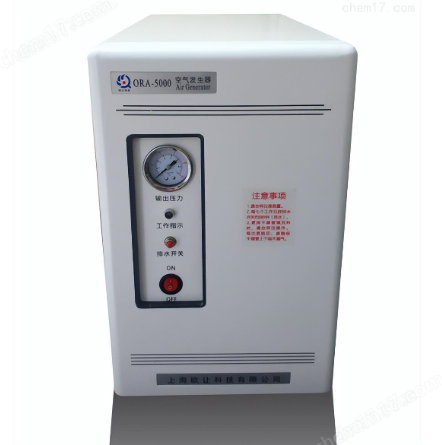
air compressorMultiple faults may occur during operation. The following provides a detailed explanation from two aspects: fault prevention and solution measures:
Fault prevention
1. Regular maintenance and upkeep:
Daily inspection: Check the lubricating oil level and replenish it immediately if it is insufficient; Check the working status of the instrument to ensure accurate display; Check the connection parts of the pipeline to prevent running, leaking, and seepage.
Monthly inspection: Conduct quality checks on lubricating oil to ensure lubrication effectiveness; Detect exhaust temperature sensing devices, exhaust pipelines, electrical components, etc., and replace damaged parts in a timely manner.
Quarterly cleaning: Thoroughly clean the fan blades and equipment surfaces of the air compressor to prevent dust accumulation from affecting heat dissipation.
Annual overhaul: Thoroughly clean and re lubricate the front and rear bearings of the motor; After running for 10000 hours, the air compressor should undergo a comprehensive overhaul, and repair or replace the bearings according to their wear condition.
2. Proper use and operation:
Start and stop according to the operating procedures: avoid frequent start and stop to reduce equipment wear and tear.
Control gas consumption: Ensure that the actual gas consumption does not exceed the unit's gas production capacity, and prevent the unit from being in a loading operation state for a long time.
Pay attention to environmental ventilation: Keep the surrounding environment of the air compressor well ventilated and avoid being too close to wall obstacles or other heat sources nearby.
3. Select qualified accessories and lubricating oil:
Use original or qualified accessories such as air filter cartridges, oil-gas separation filters, oil filter cartridges, etc. to ensure filtration efficiency.
Choose lubricating oil of appropriate grade and quality: avoid using low-grade or inferior oil to prevent equipment failure caused by poor lubrication.
Solution measures
1. The compressor cannot start normally:
Check the starter and voltage: Ensure that the starter is functioning properly and the voltage is stable.
Check the motor and fan: Check if the motor host is faulty and if the fan is stuck.
Replace fuses and relays: Regularly check fuses and relays to avoid failure to start due to melting or malfunction.
2. Automatic shutdown of compressor:
Check voltage and exhaust temperature: Measure whether the voltage is stable and whether the exhaust temperature is too high.
Clean the oil and gas separation device: replace the blocked oil and gas separation device to ensure smooth exhaust.
Strengthening loose parts: Observe the vibration condition of the air compressor, add shock-absorbing pads, and reinforce loose parts.
3. The temperature of the air compressor host is too high:
Improve ventilation conditions: Install ventilation devices in the air source room and clean up debris on the ventilation ducts.
Replace temperature sensing device and switch: Replace damaged temperature sensing device and temperature switch.
Check the cooling device: Ensure that the cooling device's heat dissipation channel is unobstructed and not blocked.
4.air compressorNot loading:
Check the intake valve servo cylinder: Check if the intake valve servo cylinder is leaking air and if the diaphragm is damaged.
Tighten the intake valve drive shaft: Check if the intake valve drive shaft is loose and tighten it.
Repair damaged pipeline: Check whether the control pipeline between the unloading valve and the separation device is damaged and carry out repair treatment.
5. Oil in exhaust:
Replace the oil separation core: If damage or perforation is found in the oil separation core, replace it in a timely manner.
Clean the return oil pipeline: Check if the return oil pipeline is blocked or broken, and clean or replace it.
Adjust system pressure: Ensure that the system pressure is controlled within the rated working pressure range to prevent incomplete oil and gas separation due to low pressure.