-
E-mail
8001@morechina.com.cn
-
Phone
18916268489,18939747969
-
Address
No. 955 Jianchuan Road, Minhang District, Shanghai
Shanghai Muchen Electronic Technology Co., Ltd
Are you ready to welcome AAMI ST108?
Date: 2025-12-08Read: 39
Are you ready to welcome AAMI ST108?
The Association for the Advancement of Medical Devices (AAMI) has developed and released a new standard ANSI/AAMI ST108:2023- Water Used for Medical Device Processing. This new standard replaces AAMI TIR34:2014.
ST108 places great emphasis on the rational design, monitoring, testing, and maintenance of water systems. Unlike TIR34, which provides guidelines for reprocessing water quality for medical devices, ST108 has binding requirements for sterile treatment departments. Therefore, understanding this new standard and the impact of water quality on medical device processing is crucial.
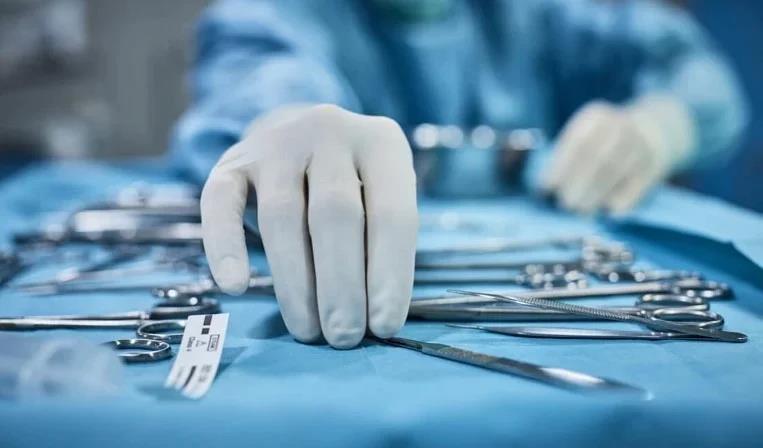
The adverse effects of poor water quality
Water impurities may have adverse effects on the processing of medical devices, including:
Adverse reactions to the product:
Corrosion, pitting, and scratching
Biomass accumulation
Increase microbial load or endotoxin content
Adverse effects on the process:
Reduced detergent effectiveness
Degradation of water systems (biofouling or scale)
Adverse reactions to patients:
infection
toxicity
Aseptic processing personnel should be aware of water quality issues that may lead to adverse patient events and pay attention to overall indicators that may have water quality issues.
What is ANSI/AAMI ST108?
ANSI/AAMI ST108:2023 is a new industry consensus standard used for selecting water quality, testing, and monitoring required for reprocessing medical and surgical devices. The main differences and updates from TIR34 include:
Require the facility to form a multidisciplinary team responsible for water quality and water management projects
Expansion of water quality types to steam water
Establish extended system performance certification water quality standards
Routine water quality monitoring requirements for water production systems and departmental usage points
Classification of water quality for medical device treatment
AAMI ST108 defines three categories of water quality for medical device treatment:
Public water - tap water, water that may require further treatment
Used for flushing, cleaning, and rinsing medical devices
Key water - water that has undergone extensive treatment to ensure the removal of microorganisms, inorganic and organic matter
Used for final flushing or steam generation
Steam - heated by a boiler or steam generator until water changes from liquid phase to gas phase. Steam can be supplied from central locations in hospitals, such as boiler factories, or generated through steam generators inside disinfectors.
Used for sterilization of medical devices
How should sterile processing departments and facilities implement AAMI ST108?
The aseptic processing department and hospital facility team should take four steps to achieve critical water quality.
Water quality assessment
The tap water from public utility sources should be analyzed by certified facilities with professional knowledge of water quality to determine whether it needs to be treated and which treatment method is required.
Water treatment plan
If the implementation requires treatment, personnel should ensure the implementation of the treatment process to provide water quality that meets the requirements of medical device treatment.
Ensure water quality
The water used in the medical device reprocessing area should be audited to determine if the water quality of the treated equipment in each area meets the correct standards. If not possible, adjust the water treatment method as needed.
Continuous water quality monitoring
Where applicable, routine and continuous monitoring procedures should be established to ensure that the treated water quality is suitable for medical device reprocessing. Water maintenance personnel and equipment reprocessing personnel should communicate effectively to ensure that action is taken when poor water quality is detected.