-
E-mail
1218490881@qq.com
-
Phone
13771789202
-
Address
No. 2225, Huancheng West Road, Nanqiao, Fengxian District, Shanghai
Shanghai Lihai Industrial Co., Ltd
The 'Red Line' of Water Safety: Detection Standards and Prevention Analysis of Escherichia coli in Drinking Water
Date: 2025-12-16Read: 0
The safety of drinking water is directly related to public health, and as a core indicator reflecting the hygiene status of water bodies, the detection standard of Escherichia coli is a "rigid red line" to measure whether the water quality meets the standards. Escherichia coli mainly comes from the intestines of humans and animals. The presence of this bacterium in drinking water not only may cause intestinal diseases such as diarrhea and abdominal pain, but also implies the risk of contamination by pathogenic bacteria such as Salmonella and Shigella. Both China and the international community have set strict standards for the detection of Escherichia coli in drinking water. Although there are differences in drinking water standards in different scenarios, the fundamental goal is to "ensure drinking safety".
The detection standard for Escherichia coli in drinking water for Chinese residents is based on hygiene standards, which clearly stipulate that "Escherichia coli shall not be detected in every 100 milliliters of drinking water". This "zero detection" standard is not an absolute statement, but based on the rigorous requirements of precision detection technology - when using membrane filtration or double tube fermentation methods for detection, if no E. coli colonies or positive reactions are found under the standard detection process, it is judged as qualified. This standard is applicable to core drinking water scenarios such as urban tap water and centralized water supply, to eliminate the risk of waterborne infectious diseases caused by fecal pollution from the source.
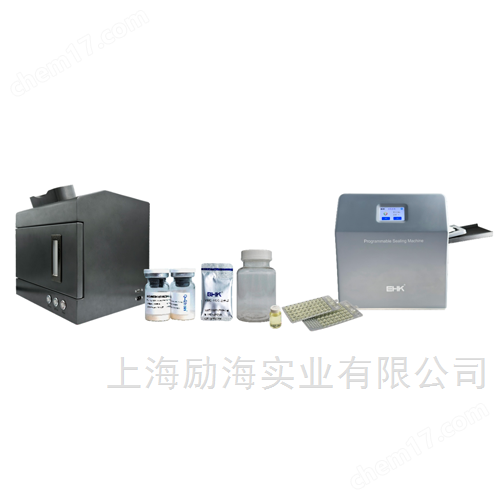
The detection standards for Escherichia coli in different types of drinking water show on-site visual differences, but they are all set around core safety requirements. Bottled and barreled drinking water, as ready to drink products, follow the same "zero detection" standard as domestic drinking water, and some international standards have further refined the detection accuracy. Rural decentralized water supply has limited treatment conditions, and although the standards are slightly flexible, they still require the use of boiling and other methods to kill possible Escherichia coli and ensure safe drinking for end-users. The production water used for food processing has an Escherichia coli standard that is synchronized with drinking water to avoid food hygiene issues caused by raw water contamination.
While clarifying the detection standards, precise detection is the key to ensuring the implementation of the standards. The current mainstream detection methods include filter membrane method and double tube fermentation method: filter membrane method intercepts bacteria by filtering water samples, directly counts Escherichia coli colonies after cultivation, and is suitable for drinking water with high cleanliness; The double tube fermentation method determines the presence of bacteria through lactose fermentation reaction, which is more suitable for preliminary screening of complex water bodies. Regardless of the method used, the testing process must strictly follow the national standard procedures to ensure the accuracy of the results and provide reliable basis for water quality determination.
If excessive levels of Escherichia coli are detected in drinking water, graded prevention and control measures should be immediately activated. For home scenarios, boiling for more than 1 minute can effectively inactivate Escherichia coli, which is a convenient emergency response method; Water supply companies need to investigate issues such as water source pollution and pipeline leaks, and achieve water quality standards by strengthening disinfection processes (such as chlorine disinfection and ultraviolet sterilization). In addition, professional equipment such as reverse osmosis filtration systems and ozone generators can remove Escherichia coli through physical interception or strong oxidation, making them suitable for large-scale water treatment scenarios.
The strict implementation of E. coli detection standards is an important link in the control of drinking water safety. From the "zero detection" red line for drinking water to the refined standards for bottled water, every regulation carries the public health concept of "prevention first". Only by implementing standard testing, strengthening pollution prevention and control, and popularizing safety knowledge can a drinking water safety guarantee system be established, allowing the public to drink water with peace of mind every time.