-
E-mail
shkaizheng@163.com
-
Phone
13391060841
-
Address
305, Building 2, No. 485 Minqiang Road, Songjiang District, Shanghai
Shanghai Kairuo Instrument Co., Ltd
Timely resolution of temperature sensor faults is the key to ensuring the continuous and accurate operation of the temperature measurement system
Date: 2025-12-23Read: 0
As a fundamental sensing element in industrial automation, environmental monitoring, medical equipment, and scientific research experiments, the stability and accuracy of temperature sensors directly affect the system control accuracy and data reliability. In long-term use, problems such as reading drift, slow response, abnormal signal, and even failure may occur due to environmental interference, wiring errors, aging, or improper selection. Scientifically identifying the root cause of temperature sensor faults and taking targeted measures is the key to ensuring the continuous and accurate operation of temperature measurement systems.
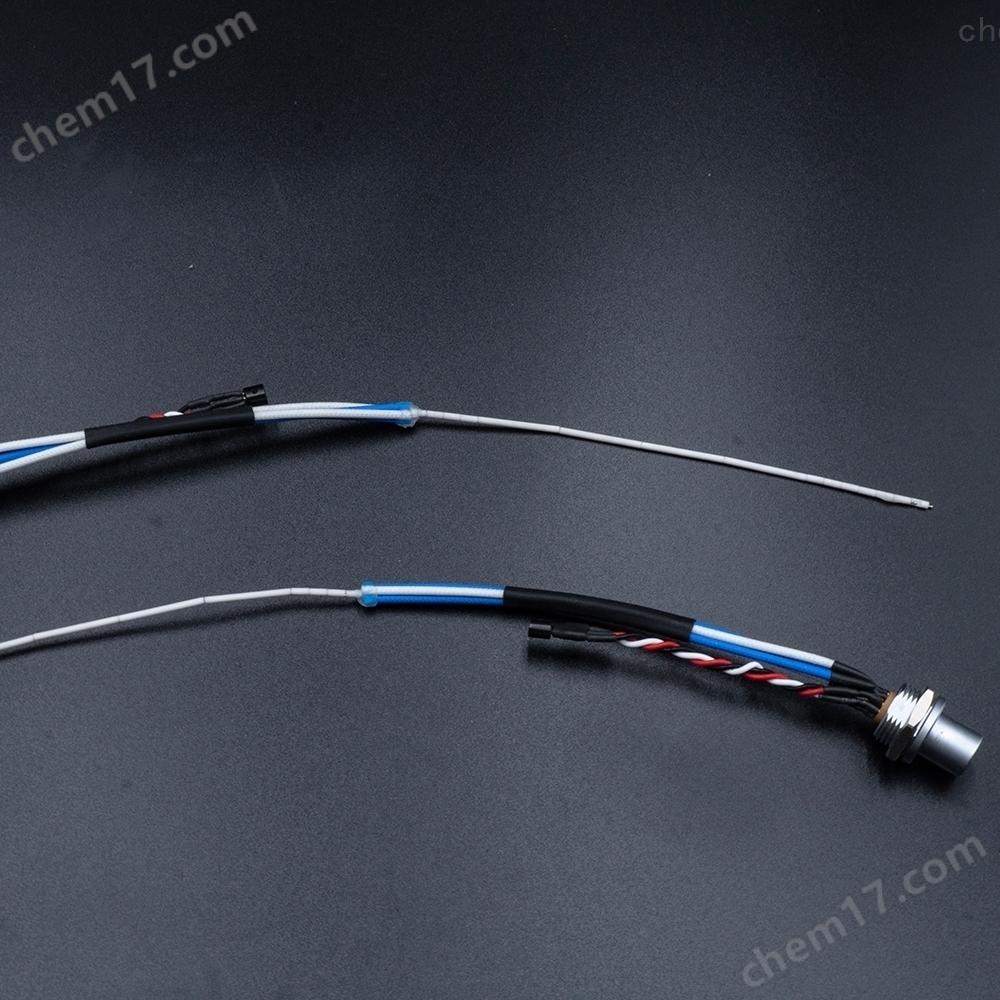
1、 Large measurement drift or deviation
Reason: Sensor aging, thermocouple cold junction compensation failure, RTD lead resistance change or calibration failure.
resolvent:
Regularly compare and calibrate with standard temperature sources (such as dry well furnaces and constant temperature baths), and it is recommended to do so every 6-12 months;
For three wire/four wire RTDs, check whether the leads are broken or have poor contact to ensure the integrity of the compensation circuit;
Thermocouples need to confirm that the cold junction temperature sensor is working properly to avoid compensation errors caused by environmental temperature changes.
2、 Slow response speed or no response
Due to excessive thickness of protective casing, improper installation position, or damage to sensing elements:
Shorten the insertion depth or use a thin-walled, thermally conductive protective tube (such as stainless steel 316);
Ensure that the temperature measurement point is close to the measured medium and avoid installation outside the dead zone or insulation layer;
Use a multimeter to detect resistance (RTD) or millivolt signal (thermocouple) to determine if there is an open/short circuit.
3、 Serious signal jumping or noise interference
Typical examples include electromagnetic interference (EMI) or poor grounding:
Use shielded twisted pair cables, with the shielding layer grounded at one end (usually on the control room side);
Stay away from interference sources such as frequency converters and high-power motors, and install signal isolators if necessary;
Check if the wiring terminals are oxidized and loose, tighten them again, and apply antioxidant paste.
4、 Display negative values or out of range (such as "OL")
Possible reasons include reverse wiring, incorrect sensor type, or disconnection:
The positive and negative poles of the thermocouple cannot be reversed (such as K-type: red is negative, yellow is positive);
Confirm that the sensor type (Pt100, K type, J type, etc.) is set correctly in the instrument menu;
If the RTD displays a low resistance value (close to 0 Ω), there may be a short circuit; If it is infinite, it will break the circuit.