-
E-mail
shkaizheng@163.com
-
Phone
13391060841
-
Address
305, Building 2, No. 485 Minqiang Road, Songjiang District, Shanghai
Shanghai Kairuo Instrument Co., Ltd
Sharing of Regular Maintenance Methods for Alumina Ceramic Crucibles
Date: 2025-09-01Read: 0
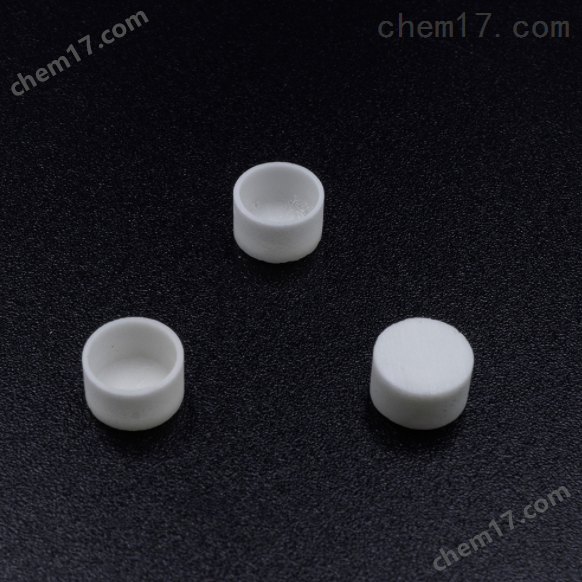
Aluminum oxide ceramic crucibles are high-temperature resistant containers made from high-purity aluminum oxide as the main raw material and sintered at high temperatures. They are widely used in laboratory high-temperature heating, melting, burning, ashing, X-ray fluorescence analysis (XRF), and precious metal processing scenarios. Its temperature resistance can reach over 1600 ℃, and it has excellent corrosion resistance, insulation, and chemical stability. However, if the alumina ceramic crucible is not used and maintained properly, it is prone to cracking, contamination, or performance degradation. Scientific regular maintenance can significantly extend its service life, ensuring the accuracy and safety of experimental results.
1、 Clean immediately after use
Cooling treatment: After the experiment, the alumina ceramic crucible should be placed in a dryer or asbestos mesh and naturally cooled to room temperature. Sudden cooling (such as water flushing or contact with cold metal) is strictly prohibited to prevent cracks caused by thermal stress.
Remove residues: Use a bamboo or plastic scraper to gently scrape off internal residues, avoiding scratching the inner wall with metal tools. For insoluble substances (such as silicates and metal oxides), dilute acid (such as hydrochloric acid, nitric acid) or weak alkaline solution can be used for soaking and dissolution, and if necessary, water bath heating can be used to assist dissolution.
Cleaning: Rinse repeatedly with deionized water to ensure there are no chemical residues. If used for trace analysis, it needs to be treated with aqua regia or specialized cleaning solution, and then rinsed 3-5 times with ultrapure water.
2、 Monthly routine inspection and maintenance
Appearance inspection: Carefully observe the inner and outer walls of the crucible under strong light for cracks, notches, discoloration, or bulges. Minor cracks can reduce thermal shock stability and pose a safety hazard. It should be stopped in a timely manner.
Weight and size recording: For crucibles used for quantitative analysis, regularly weigh and record to monitor for any quality changes caused by corrosion or wear.
Remove surface pollution: If carbides or metal deposits adhere to the surface of the crucible, it can be placed in a muffle furnace and burned at 800-1000 ℃ for 1-2 hours to oxidize and remove organic matter or carbon layers.
3、 Quarterly in-depth maintenance
Acid washing regeneration (optional): Soak it in 1:1 dilute nitric acid or hydrochloric acid for 2-4 hours to remove metal ion contamination, especially suitable for preparation before precious metal or trace element analysis. After soaking, rinse thoroughly until neutral.
High temperature calcination: After cleaning and drying, calcine in a muffle furnace at 80% of the high operating temperature (such as 1300 ℃) for 1 hour to restore its structural stability and surface activity.
4、 Proper storage
Dry environment: After cleaning and drying, store it in a clean dryer or sealed box to prevent moisture absorption or dust falling.
Separate storage: Avoid stacking or colliding with other vessels. It is recommended to use a dedicated crucible holder or soft cushion for isolation to prevent mechanical damage.
Identification management: Number or label crucibles of different purposes or materials to avoid cross contamination (such as crucibles used for alkali melting cannot be used for acidic samples).