-
E-mail
1572356227@qq.com
-
Phone
13701643146
-
Address
No. 334 Jiulong Road, Zhujiajiao Town, Qingpu District, Shanghai, China
Shanghai Fichal Analytical Instrument Co., Ltd
Guidelines for safe operation and use of desktop high-speed micro freezing centrifuge
Date: 2025-09-25Read: 1
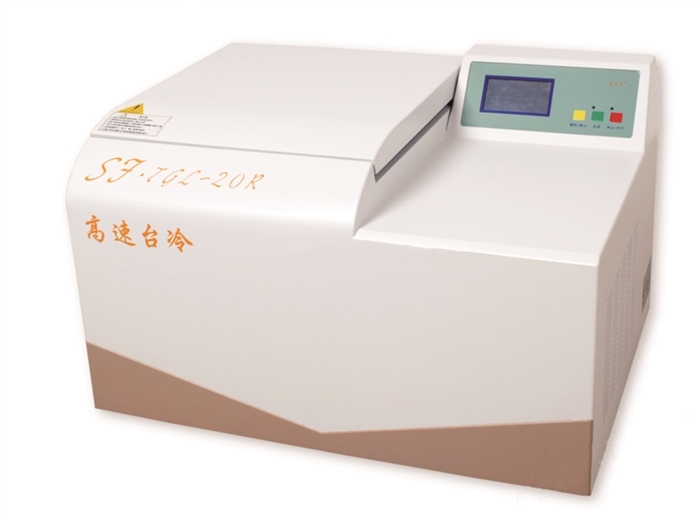
Desktop high-speed micro freeze centrifuge is one of the core equipment in modern laboratories in the fields of molecular biology, biochemistry, medical testing, etc. It is mainly used for high-speed separation of micro samples (such as samples in PCR tubes and micro centrifuge tubes).It integrates high-speed, freezing, and micro sample processing, with high requirements for professional operation. Strictly adhering to usage standards is fundamental to ensuring accurate experimental data, protecting equipment safety, and avoiding personal injury.
1、 Preparation before operation
1. Environmental inspection: Ensure that the centrifuge is placed on a level, stable, well ventilated tabletop with sufficient heat dissipation space around it. Check if the power supply voltage matches.
2. Equipment inspection: Confirm that the rotor is securely installed without corrosion or damage. Check if the centrifuge chamber is clean, dry, and free of foreign objects. It is strictly prohibited to use centrifugal tubes/plates with cracks or deformations to ensure their compatibility with the rotor.
3. Sample preparation:
① Accurate balance: This is the most crucial step. It is necessary to ensure that the quality difference of symmetrically placed samples is less than ± 0.1 grams. For non full load operation, balance tubes or balance plates with matching mass must also be placed in symmetrical positions.
② Sealed tightly: Ensure that the centrifuge tube cover is tightly tightened or compressed to prevent sample leakage and corrosion of the rotor and centrifuge chamber during high-speed rotation.
③ Sample volume: The volume of liquid inside the tube shall not exceed 75% of the nominal maximum capacity of the tube to prevent liquid leakage at high speeds.
2、 Running operation process
1. Place the sample: Gently place the balanced centrifuge tube/plate symmetrically into the rotor basket or hole, and check if the rotor cover is tightened.
2. Close the cabin door: steadily close the centrifugal engine compartment cover until you hear the confirmation sound of closing and locking.
3. Parameter settings:
① Pre cooling: If low-temperature centrifugation is required, it is recommended to first set the target temperature (such as 4 ℃), activate the pre cooling function, and wait for the chamber temperature to reach the set value before running the centrifugation program.
② Program settings: Set key parameters through the control panel: operating temperature (Temp), target speed (Speed) or relative centrifugal force (RCF), centrifugation time (Time).
Attention: The set speed/RCF must never exceed the limit of the current rotor and centrifuge tube combination (see rotor nameplate).
4. Startup and monitoring: After confirming the parameters are correct, press the "Start" button. During the acceleration of the equipment to the set speed, attention should be paid to detecting any abnormal sounds or severe vibrations. If there is any abnormality, immediately press the "Stop" or emergency lid opening button (some models support lid opening and stopping) to stop the operation.
3、 After operation and maintenance
1. Sample retrieval: After all rotors have stopped rotating and the cabin door lock has been released, the cabin cover can be opened to retrieve the sample.
2. Cleaning and maintenance:
① After each use, be sure to remove the rotor and clean the centrifugal chamber, rotor, and sleeve with a neutral cleaner and soft cloth to prevent contamination corrosion.
② Keep the cabin door open for ventilation until the interior is dry again.
3. Rotor management: The rotor should be regularly inspected and maintained. Each rotor has a service life (total number of runs or total hours), which needs to be strictly recorded and replaced on time. Rotors that exceed their service life have a risk of bursting.
Safety Warning:
1. It is strictly prohibited to forcefully open the cover before the equipment has come to a complete stop.
2. It is strictly prohibited to operate the centrifuge in an unbalanced manner.
3. It is strictly prohibited to use rotors at excessive speed or overload.
By following this guide, you will be able to safely and efficiently utilize the performance of a desktop high-speed micro freezing centrifuge, ensuring smooth experiments and extending equipment lifespan.