-
E-mail
3060018047@qq.com
-
Phone
18158431310
-
Address
Fengxian District, Shanghai
Shanghai Chuanyu Experimental Instrument Co., Ltd
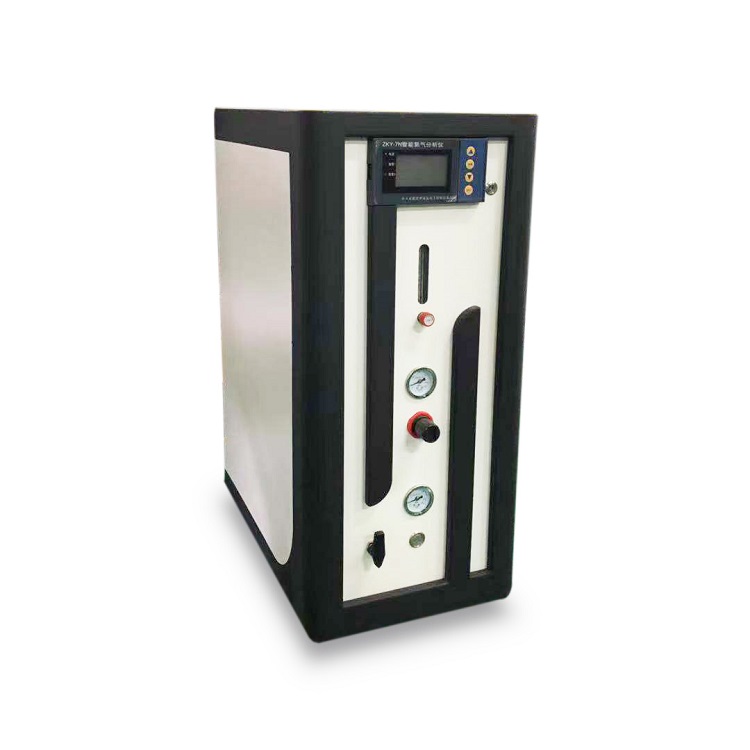
Precautions for nitrogen generator
Date: 2025-12-24Read: 1
If you want to know the usage and installation precautions of a nitrogen generator, I will organize the key points based on search results and use a clear structure to help you quickly grasp the key points.
When using and installing a nitrogen generator, it is necessary to pay attention to core issues such as ventilation, electrical safety, gas leakage protection, and regular maintenance to ensure efficient operation of the equipment and prevent risks such as suffocation and fire.
background
Nitrogen generators are widely used in laboratories (such as gas chromatography, mass spectrometry), ship inerting, industrial production, and other fields to produce nitrogen from the air through pressure swing adsorption (PSA) or membrane separation technology. Due to its involvement in high-pressure gas, power systems, and potential oxygen deficient environments, proper operation and installation are crucial. Neglecting safety details may lead to equipment damage, experimental failure, and even personal accidents.
Classification Explanation of Key Precautions
The following are the core precautions summarized based on application scenarios, covering general use, electrical safety, gas management and maintenance, etc.:
Environmental and ventilation requirements
Ensure good ventilation: Nitrogen is colorless and odorless, and high concentration accumulation can displace oxygen and pose a risk of suffocation. Therefore, equipment should be installed in a well ventilated area to avoid use in confined spaces.
Stay away from heat sources and humidity: Avoid placing equipment in high temperatures (such as near engines) or humid environments to prevent affecting the performance of carbon molecular sieves or corroding electrical components.
Do not discharge towards the face: Do not aim the nitrogen outlet at the face to prevent accidental inhalation and hypoxia.
Electrical and power specifications
Match voltage frequency: Confirm that the supply voltage (such as 220V) and frequency (50/60Hz) meet the equipment requirements to avoid motor damage caused by mismatch.
Reliable grounding: The equipment casing must be reliably grounded to prevent the accumulation of static electricity and the risk of electric shock.
Configuring a voltage regulator or backup power supply: It is recommended to use a voltage regulator in unstable power environments; For critical applications such as oil tank protection, UPS can be equipped to ensure continued operation after power failure.
Gas system and operational safety
Check the sealing of the pipeline: Regularly inspect the gas connections for leaks, especially at the joints and valves, to prevent nitrogen leakage from causing oxygen deficiency hazards