-
E-mail
sh@ibolor.com
-
Phone
15601682291
-
Address
Block B, 4th Floor, R&D Building 14, Henglu Modern Industrial Park, 166 Mindong Road, Pudong, Shanghai
Shanghai Bole Electromechanical Equipment Co., Ltd
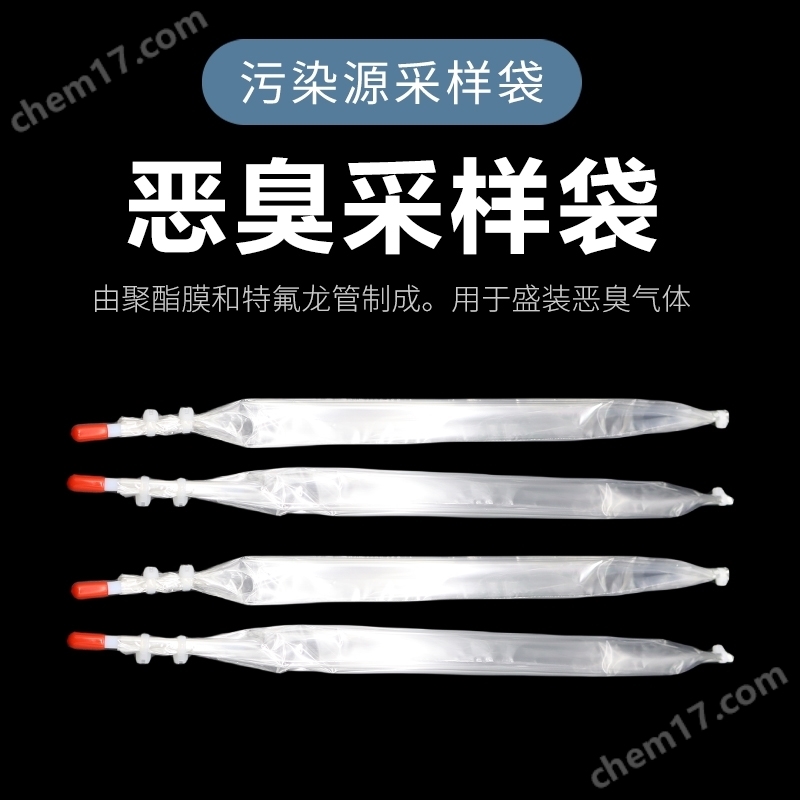
Polyester odor bag: an exclusive collection container for odor gas detection
Date: 2025-08-12Read: 1
In the fields of environmental odor monitoring, food flavor analysis, public health testing, etc., specialized containers are required for the collection and identification of odor gases. Polyester odor bags, with their good airtightness and compatibility, have become the standard tool for odor gas detection and are widely used in scenarios that require the preservation of gas odor characteristics.
In the monitoring of environmental odor pollution sources,Polyester odor bagIt is the standard carrier for olfactory identification experiments. When collecting odorous gases from sewage treatment plants and landfills, the bag adopts a multi-layer polyester film composite structure, which has more than 10 times the barrier properties against major odorous components such as hydrogen sulfide and ammonia compared to ordinary plastic bags. It can ensure that the change in odor threshold within 8 hours after sampling is less than 10%, which meets the standard monitoring requirements. In the investigation of odor complaints, monitoring personnel use polyester odor bags to collect on-site gases, which are then brought back to the laboratory for sensory evaluation by odor detectors. Combined with instrument analysis data, the odor level (1-5 levels) can be accurately determined, providing a basis for law enforcement. Its tear resistance strength (>20N) is suitable for field sampling environments, avoiding sample loss caused by collisions.
In the food industry, this odor bag is used for the analysis of flavor compounds and spoilage gases. When detecting spoilage gases in meat and seafood, the sample is sealed in a polyester odor bag and left at room temperature for a certain period of time to collect headspace gas. The characteristic substances such as trimethylamine and volatile fatty acids are analyzed by gas chromatography-mass spectrometry, which can objectively evaluate the freshness of the food. The consistency between the results and traditional sensory evaluation is 95%. In the study of beverage flavor, the headspace gas of carbonated drinks is collected. The high air tightness of the odor bag can prevent carbon dioxide from escaping, and the composition proportion of essence, esters and other flavor substances is accurately analyzed to provide data support for formula optimization. Its heat sealability facilitates the production of sampling bags with different volumes (1-10L), adapting to different quantity requirements.
Polyester odor bags assist in odor tracing in public health and indoor environment testing. In the detection of formaldehyde and VOCs in newly-built buildings, the use of odor bags to collect indoor air can not only analyze pollutant concentrations through instruments, but also determine the presence of irritating odors through smell recognition, and comprehensively evaluate indoor air quality. In the detection of odors inside the car, the air inside the cabin is collected after sealing the vehicle for a certain period of time. The polyester odor bag can fully retain the odor components and identify the source of the odor through thermal desorption gas chromatography analysis. Its low cost and disposable characteristics avoid cross contamination of samples, making it particularly suitable for parallel testing of large quantities of samples. In addition, in the odor evaluation of cosmetics, coatings and other products, polyester odor bags can standardize the collection of volatile gases from products, ensuring the consistency of odors between different batches of products and improving the stability of product sensory quality.