-
E-mail
1796169815@qq.com
-
Phone
18888368287
-
Address
Intersection of Meili East Road and Taipinghe South Road, Huaiyin District, Jinan City, Shandong Province, and Building 6, Yungu Jinan Huizhi Port, 201
Shandong Xinze Instrument Co., Ltd
Discussion on VOCs Pollution and Monitoring Technology
Date: 2025-12-10Read: 3
Volatile organic compounds (VOCs) refer to organic compounds that are easily volatile at room temperature. According to the definition of the World Health Organization (WHO), its melting point is lower than room temperature, and its boiling point range is generally between 50-260 ℃. From the perspective of environmental monitoring, it usually refers to organic compounds with a vapor pressure of not less than 0.01 kPa at 20 ℃ or corresponding volatility under specific conditions.
VOCs are key precursors for atmospheric photochemical reactions, which can promote the generation of ozone (O3) and secondary organic aerosols (SOA), posing a significant threat to air quality and public health. Against the backdrop of China's continuous promotion of the "Blue Sky Defense War" and ozone pollution prevention and control, strengthening VOCs control has become an important part of current environmental protection work.
Common VOCs include aromatic hydrocarbons (such as benzene, toluene, xylene), halogenated hydrocarbons (such as dichloromethane, trichloroethylene), esters (such as ethyl acetate, butyl acetate), and aldehydes (such as formaldehyde, acetaldehyde). In terms of odor perception, not all VOCs have a distinct odor. For example, formaldehyde has a strong irritant, while substances such as n-hexane have a lighter or odorless odor. Whether it can be detected by smell depends on the material structure, concentration, and individual olfactory threshold.
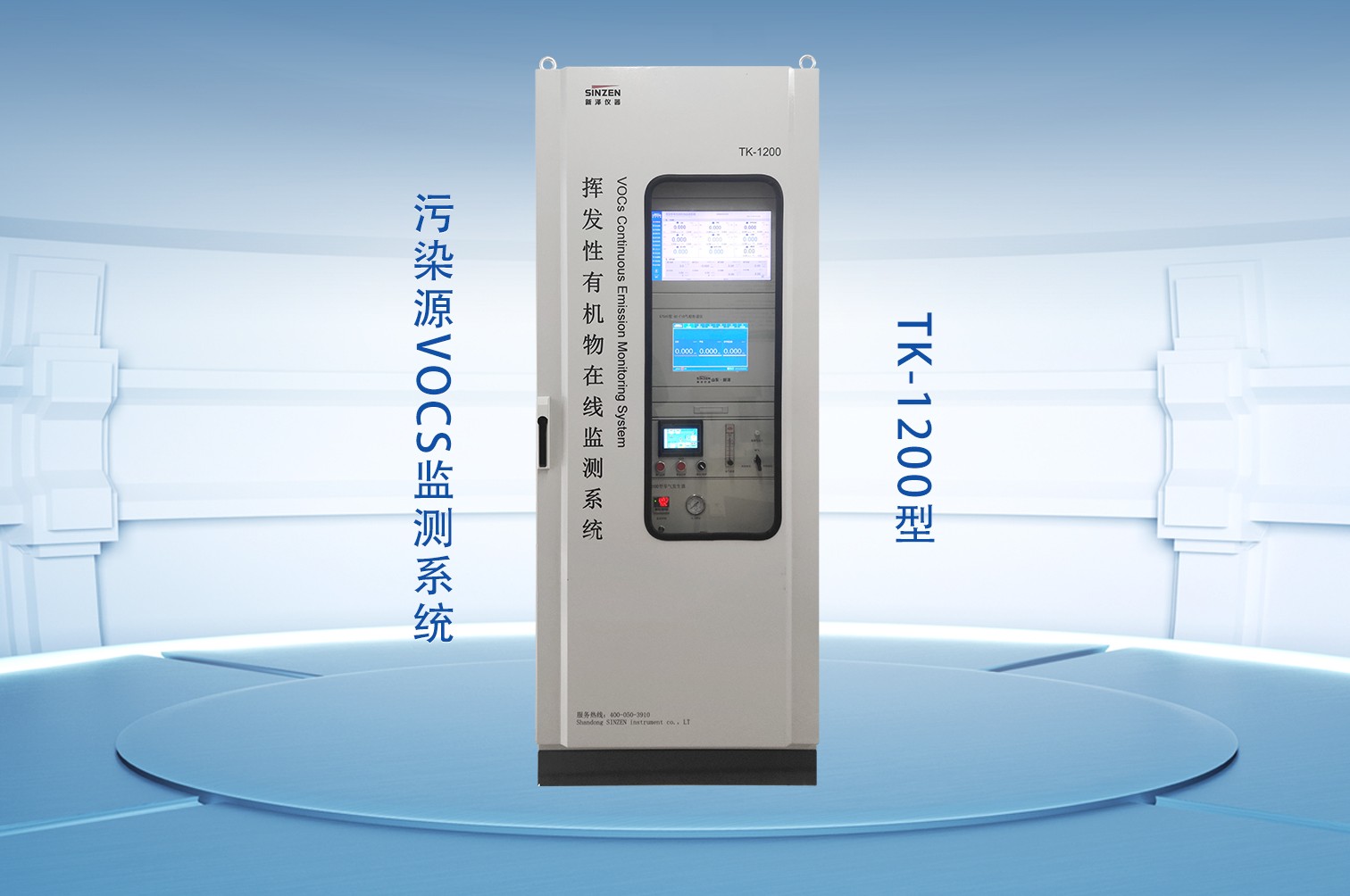
Effective control of VOCs emissions requires precise and reliable monitoring methods. Xinze Instrument focuses on the field of environmental monitoring, and its main online monitoring system can achieve real-time and continuous monitoring of VOCs, helping enterprises comply with emissions and environmental protection departments to scientifically supervise, providing technical support for deepening the battle against pollution prevention and control.
SINZEN Xinze Instrument