-
E-mail
6747683974@qq.com
-
Phone
13355112882
-
Address
No. 6, Jidong Mining Outer Road, Rencheng Development Zone, Jining City
Shandong Ruizhi Kedian Testing Instrument Co., Ltd
Pen type radiation alarm device as a "personal sentinel" for nuclear radiation environment
Date: 2025-10-26Read: 0
In fields involving ionizing radiation such as medical radiology, nuclear power plants, industrial testing, and emergency response,Pen type radiation alarm (also known as personal dose alarm) is the crucial last link in ensuring the safety of practitioners.Its core function is not precise measurement, but as a "sentinel" worn on individuals, monitoring and warning the radiation level of the surrounding environment in real time, ensuring that the accumulated radiation dose of individuals is controlled within the national regulatory limit, and preventing accidents before they occur.
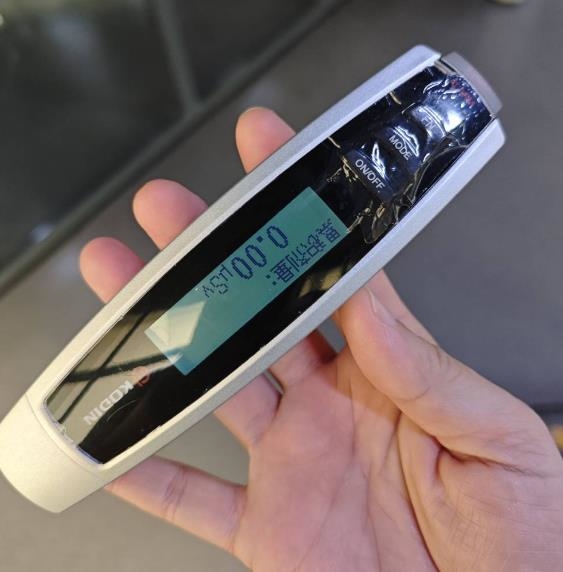
1、 Core function: To achieve real-time monitoring and cumulative recording of individual doses
This is the fundamental function of a pen type radiation alarm. Unlike traditional fixed radiation monitoring devices, it is directly carried by individuals (usually clipped into their pockets or collars) and can accurately reflect the actual radiation dose received by the wearer. The instrument continuously monitors X and gamma rays and displays the current dose rate in real-time (such as μ Sv/h), while automatically accumulating and calculating the total radiation dose (μ Sv or mSv) over a period of time. This enables staff to be aware of their own exposure situation at any time, avoiding entering high radiation areas or working at excessive doses without knowledge, achieving a leap from environmental monitoring to personal dose management.
2、 Core function: To issue real-time sound and light alarms at hazardous radiation levels
The "alarm" function of the pen type radiation alarm is its key value. Staff may not have the time to constantly monitor readings during complex assignments. Therefore, users can preset dose rate alarm thresholds and cumulative dose alarm thresholds based on task risks. When the surrounding radiation level suddenly increases (such as approaching a radioactive source), causing the instantaneous dose rate to exceed the preset value, or when the cumulative dose of the day approaches the regulatory limit, the instrument will immediately emit a high pitched buzzing sound and flash strong light, reminding the wearer to evacuate the scene quickly. This real-time warning mechanism provides crucial response time for personnel to avoid acute radiation injuries.
3、 Core role: Provide data basis for occupational health management and regulatory compliance
From a management perspective, pen type alarm devices are tools for fulfilling radiation safety regulatory responsibilities. The daily, monthly, and annual cumulative dose data recorded can be exported to form a personal dose profile. This is not only the core basis for assessing the occupational health risks of staff, but also objective evidence to prove that employers comply with the national "Law on the Prevention and Control of Radioactive Pollution" and "Basic Standards for Ionizing Radiation Protection and Radiation Source Safety", and has legal effect in occupational health audits and accident investigations.
4、 Core function: Enhance the safety awareness and standardized operation of operators
In addition to physical protection, pen type alarm also has a powerful psychological warning function. Real time visible dose readings and sudden alarms can continuously enhance the radiation risk awareness of staff, subtly prompting them to actively reduce their stay time in the radiation area, increase their distance from the source (following the inverse square law of distance), and use lead protection screens and other facilities more standardly to reduce exposure dose from the behavioral source.
summary
The function of the pen type radiation alarm is to integrate real-time monitoring, real-time warning, data tracing, and behavior guidance. Although it is small and compact, it is the most crucial part of the individual oriented radiation protection system. This "silent sentinel" worn on the body has built a mobile personal safety defense line through continuous monitoring and timely alarms, firmly guarding the lives and health of practitioners. It is an important manifestation of the humanization and refinement of radiation safety management.