-
E-mail
lisa121618@163.com
-
Phone
13761171363
-
Address
1909, Block A, Xinian Center, Chegongmiao, Futian District, Shenzhen
Severt Valve Shenzhen Co., Ltd
Mastering the usage skills of sanitary pressure reducing valves is the key to improving system efficiency and safety
Date: 2025-07-28Read: 56
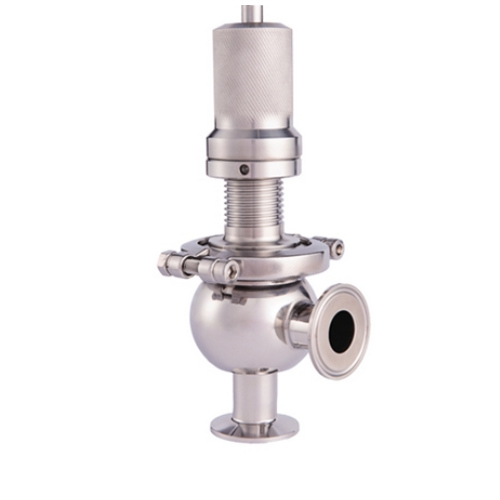
In industries such as food, beverage, and pharmaceuticals, sanitary pressure reducing valves are one of the crucial equipment. It ensures the safe and efficient operation of the system by effectively regulating the pressure in the pipeline. Due to its high application requirements in sanitary environments, correct usage skills play a crucial role in equipment performance, system stability, and product quality. This article will introduce some usage tips to help users better maintain their equipment and ensure the long-term stable operation of the system.
1. Choose the appropriate pressure reducing valve model
There are various models of sanitary pressure reducing valves, and different application scenarios require the selection of different models. When selecting a pressure reducing valve, users should choose the appropriate model based on the working pressure, flow rate, and medium characteristics of the pipeline system. Common forms include thread type, flange type, and clamp type, and different models are suitable for different pipeline systems. Ensuring the correct selection can help the pressure reducing valve function better and avoid inefficiencies or malfunctions caused by mismatched models.
2. Reasonably set pressure parameters
Setting the outlet pressure of the pressure reducing valve is the key to ensuring stable operation of the system. Usually equipped with a regulating device, the appropriate outlet pressure can be set by rotating the regulating knob on the valve. When setting, users should determine the outlet pressure based on the requirements of downstream equipment and system needs. If the pressure is too high, it may cause the equipment to operate at overload; If the pressure is too low, it may not be able to meet production needs. Therefore, a reasonable outlet pressure setting is very important.
When setting the pressure, a pressure gauge can be used to monitor the output pressure in real time, ensuring that it remains stable within the set value range. Regularly check the accuracy of the pressure gauge to avoid inaccurate pressure readings caused by equipment malfunctions.
3. Check the seals and springs
The seal and spring of the valve are key components that directly affect the working performance of the valve. Aging of seals and loss of elasticity of springs can cause valve failure or leakage. Therefore, in daily use, it is necessary to regularly check the integrity of the seals and replace aging or damaged seals in a timely manner. At the same time, check the elasticity of the spring to ensure that it can adjust the pressure normally.
4. Regularly conduct stress tests
To ensure the long-term stability of the pressure reducing valve, users should conduct regular pressure tests to ensure that the valve can operate normally within the set pressure range. During testing, it is recommended to use a precision pressure gauge to monitor the pressure output of the pressure reducing valve in real time, detect any abnormal situations in a timely manner, and take appropriate measures.
Conclusion
As a key regulating device, the correct use of sanitary pressure reducing valves not only helps improve the efficiency of the system, but also ensures the safety and stability of the production process. By reasonable selection, setting pressure, regular inspection and maintenance, the service life of equipment can be effectively extended, the failure rate can be reduced, and the production process can be ensured to be smooth and efficient. Master these usage techniques to maximize the effectiveness of sanitary pressure reducing valves in your production system.