-
E-mail
lin@daskymed.com
-
Phone
13566077996
- Address
Ningbo Topsen Scientific Instrument Co., Ltd
Understanding the working principle of microplate oscillators in one article, the key to doubling experimental efficiency
Date: 2025-11-25Read: 4
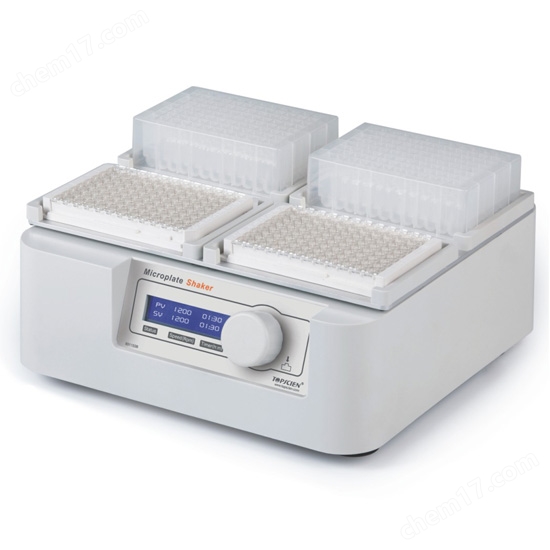
In many laboratory scenarios such as life sciences, chemical analysis, and drug development, microplate oscillators play a crucial role and can be regarded as a "secret device" to improve experimental efficiency. To fully leverage its advantages and gain a deeper understanding of its working principle.
Microplate oscillatorThe core structure includes a driving device and a carrying platform. The driving device often uses electric motors as the source of power, accurately outputting stable speed, which is the basis for achieving efficient oscillation. Common types include DC motors and stepper motors. The former is cost-effective, easy to speed, and can meet basic experimental needs; The latter, with its high-precision control, is suitable for complex experiments that require strict oscillation frequency, such as maintaining a constant oscillation frequency during long-term cell culture to ensure uniform distribution of nutrients and promote healthy cell growth.
The load-bearing platform is designed specifically to accommodate standard microporous plates, ranging from common 6-hole, 12 hole to 96 hole and even more hole specifications. The material is generally made of sturdy, durable, and lightweight aluminum alloy or engineering plastic, which ensures structural stability, prevents deformation during high-speed oscillation, and is convenient for operators to access and place. When the motor starts, the generated rotational torque is transmitted to the load-bearing platform, driving the micro porous plate on it to make regular circular motion. This seemingly simple action actually contains subtlety - by adjusting the motor speed, the oscillation amplitude and speed can be flexibly changed to adapt to different experimental requirements. At the cleaning stage, increasing the oscillation intensity appropriately can help remove residual impurities and ensure the accuracy of subsequent detection results.
The liquid inside the microporous plate is subjected to both centrifugal and centripetal forces, forming a unique fluid dynamic state. On the one hand, centrifugal force promotes the diffusion of liquid to the outer periphery, expanding the contact area; On the other hand, centripetal force pulls the liquid back to the central area, and this cycle repeats, causing the solution in each hole to continue in a dynamic mixing process. This mixing effect far surpasses manual shaking, not only shortening reaction time but also significantly reducing human error. In the nucleic acid extraction process, the lysis buffer and sample quickly blend under the action of an oscillator, accelerating the release of nucleic acid from cell rupture, making the previously time-consuming and laborious operation easier and faster.
Part of the microporous plate oscillators are integrated with an intelligent temperature control system, which utilizes semiconductor cooling/heating components to accurately regulate the ambient temperature. For temperature sensitive experiments, such as certain enzymatic reactions, a low temperature environment can inhibit the occurrence of side reactions, while high temperatures can activate specific metabolic pathways. Precise temperature control has become one of the key factors for the success of the experiment. In addition, the addition of a timing function allows researchers to set the oscillation duration as needed, without the need for full-time monitoring, freeing up manpower while ensuring consistent experimental conditions for each batch and enhancing data comparability.
The microplate oscillator relies on motor drive, clever mechanical structure, and control system to convert electrical energy into efficient oscillation efficiency and deeply optimize the experimental process. Mastering and applying this principle proficiently, selecting parameter settings reasonably, will undoubtedly inject strong impetus into scientific research work and open a new chapter of doubling experimental efficiency.