-
E-mail
Judy@nexstarbio.com
-
Phone
17384530128
-
Address
1-2F, Building 4, 1628 Lizheng Road, Lingang New Area, China (Shanghai) Pilot Free Trade Zone
Nazida (Shanghai) Nanotechnology Co., Ltd
Preparation Technology and Surface Modification Explanation of Nano Microspheres
Date: 2025-10-16Read: 3
Nano microspheresAs an important research object in the field of nanotechnology, it has shown broad application prospects in many fields due to its size effect and surface properties. The preparation technology and surface modification methods directly affect their performance and application effects, and are currently hot topics in materials science research.
Nano microspheresThere are various preparation techniques, each of which can endow microspheres with structural and performance characteristics. According to different preparation principles, it can be mainly divided into three categories: physical methods, chemical methods, and biological methods. The physical method processes materials into nanoscale microspheres through mechanical force or physical field action. This method is relatively simple to operate, but the preparation process is not easy to precisely control the size of the microspheres. Chemical laws utilize chemical reactions to construct at the molecular level, enabling more precise composition control and structural design, and are the main method for preparing functionalization. The biological laws are constructed based on the self-assembly properties of biomolecules, and have the characteristics of environmental friendliness and good biocompatibility. These preparation methods can be selected and optimized according to specific application requirements to meet the special performance requirements of different scenarios.
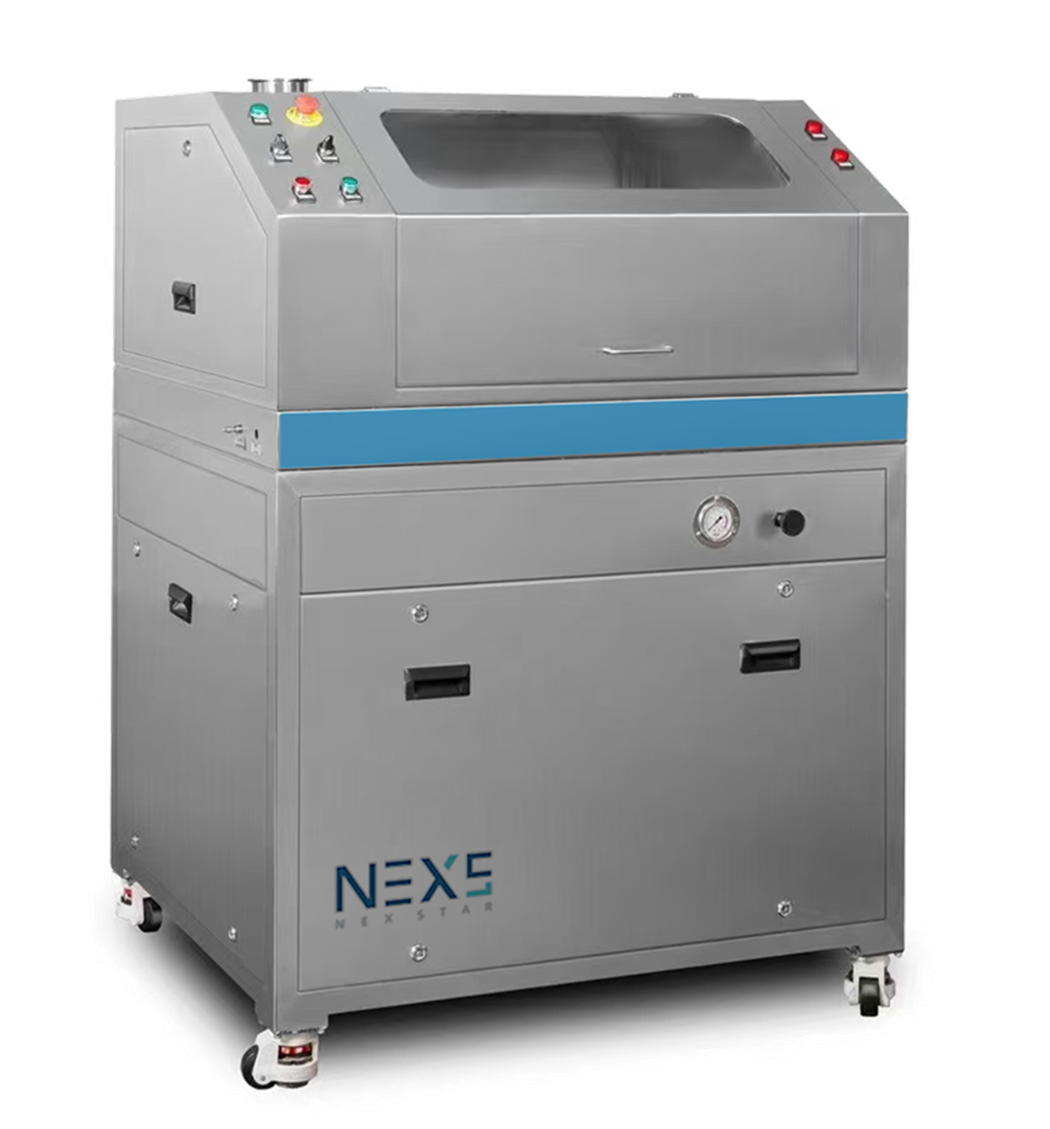
Surface modification is a key step in improving its application performance. The surface of the originally prepared microspheres usually has high surface energy and instability, and surface modification can improve their dispersibility, biocompatibility, and functional properties. Surface modification techniques mainly include physical adsorption, chemical grafting, and coating methods. Physical adsorption enables modified molecules to adhere to the surface of microspheres through non covalent interactions, which is easy to operate but has weak binding force; Chemical grafting introduces active groups on the surface of microspheres, achieving stable connections through chemical reactions and endowing microspheres with specific functional properties; The encapsulation method improves the stability and environmental adaptability of microspheres by forming a protective layer on their surface. These modification techniques can be used individually or in combination for optimized design based on target performance requirements.
Nano microspheresThe preparation technology and surface modification are closely related and interact with each other. The preparation process determines the basic structure and initial surface properties of microspheres, providing a foundation for subsequent modification; Surface modification further optimizes the performance of microspheres and expands their application range. By precisely controlling the preparation parameters and modification methods, microspheres with specific sizes, shapes, and functions can be prepared to meet the application needs of different fields.