-
E-mail
2248822323@qq.com
-
Phone
15250669806
-
Address
Industrial Concentration Zone (Huangchen Village), Nanmo Town, Hai'an County, Jiangsu Province
Nantong Yichuang Experimental Instrument Co., Ltd
Sharing of Systematic Regular Maintenance Methods for Core Analysis Centrifuges
Date: 2025-09-23Read: 1
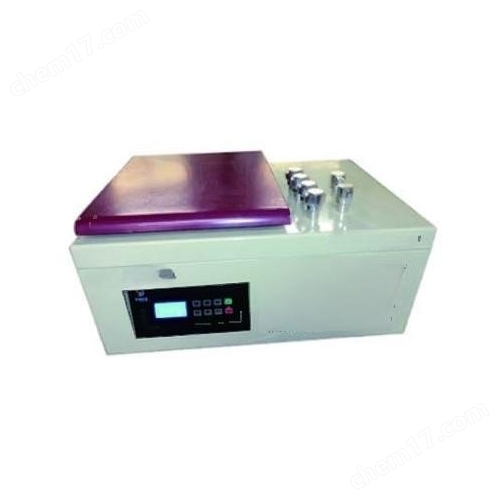
In petroleum exploration and geological research, core analysis centrifuges are responsible for key tasks such as extracting rock pore fluids and determining oil saturation. The precision rotor that rotates at high speed is subjected to heavy loads and corrosive media (such as saltwater and crude oil) for a long time. Without scientific maintenance, it is easy to cause increased vibration, unstable speed, and even safety accidents. Establishing a systematic and regular maintenance mechanism for core analysis centrifuges is the core of ensuring data accuracy and equipment longevity.
1、 Daily cleaning
After each run, the centrifugal chamber, rotor, and adapter must be cleaned immediately. Use a soft damp cloth dipped in neutral detergent to remove residual rock debris, oil stains, or salt crystals. It is strictly prohibited to use strong acids, alkalis, or metal brushes to avoid damaging the anti-corrosion coating. Pay special attention to blind spots such as sealing ring grooves and exhaust holes to prevent impurities from accumulating and causing seal failure or dynamic balance damage. After cleaning, air dry naturally to ensure dryness before assembly and storage.
2、 Rotor "physical examination"
The rotor is the most critical and high-risk component of a centrifuge. A comprehensive inspection should be conducted every 50 runs or every 3 months: visually observe the rotor surface for scratches, cracks, corrosion spots, or deformation; Measure whether key dimensions (such as drive shaft diameter) are within the tolerance range; Confirm that the scale markings are clear and distinguishable. Any minor damage can be magnified at high speeds and must be immediately stopped and sent for inspection. Do not overspeed, overload, or mix non original rotors.
3、 Lubrication and fastening
Add designated high-temperature lubricating grease to motor bearings, drive shafts, and other moving parts every six months to reduce wear and frictional heat. Check all fixing bolts (especially rotor lock nuts) for looseness, and use a torque wrench to tighten them again to the manufacturer's specified torque. Avoid resonance or detachment caused by looseness.
4、 Balance calibration
Sample loading must be strictly symmetrical and balanced. Every quarter or after replacing the rotor with a new one, a dedicated dynamic balancing instrument should be used for calibration to ensure that the vibration value of the rotor at rated speed is below the safety threshold. Long term unbalanced operation will accelerate bearing damage and shorten the lifespan of the entire machine.
5、 Control system and safety device testing
Regularly verify the effectiveness of the door cover interlock device - the machine cannot start when it is in the open state; Check if electronic safety functions such as overspeed protection and imbalance detection are responding properly; Confirm the reliability of the temperature sensor and cooling system to prevent motor overheating.