-
E-mail
812905560@qq.com
-
Phone
15850681779
-
Address
No. 375 Yinfu Street, Shimuling Street, Jiangning District, Nanjing City
Nanjing Zhengxin Instrument Co., Ltd
Common problems troubleshooting of 100ml hydrothermal synthesis reactor: inner lining leakage, pressure loss control, and post reaction cleaning difficulties solved
Date: 2025-10-23Read: 1
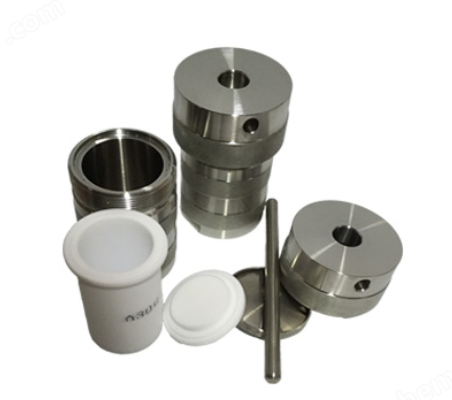
The 100ml hydrothermal synthesis reactor is an experimental equipment for conducting chemical reactions under high temperature and high pressure conditions, widely used in fields such as materials science, chemical engineering, and environmental science. However, during use, some common problems may be encountered, such as lining leakage, pressure loss of control, and difficulties in cleaning after reaction. If these issues are not resolved in a timely manner, they may affect the safety of the experiment and the reliability of the results. This article will provide a detailed introduction to the troubleshooting and solutions for these issues.
1、 Inner lining leakage
Inner lining leakage refers to the occurrence of cracks or damage in the inner lining of a reaction vessel, resulting in the leakage of reactants. This not only affects the experimental results, but may also lead to safety accidents.
Check the condition of the lining
Before each use, carefully inspect the lining for cracks, scratches, or damage. The integrity of the lining is the key to ensuring the sealing of the reaction vessel. If damage is found on the lining, it should be replaced immediately.
Clean the lining
Before loading the sample, ensure that the lining is clean and free of residue. Wipe the inner lining surface with a soft cloth or sponge, and if necessary, rinse with deionized water and dry. Residual reactants may cause corrosion of the lining, leading to leakage.
Correctly load the sample
When loading samples, avoid causing mechanical damage to the lining. Do not use sharp tools, ensure that the sample is evenly distributed, and avoid local accumulation. The filling amount should not exceed two-thirds of the volume of the reaction vessel to prevent excessive pressure caused by sample expansion during the reaction process.
Sealing inspection
After filling, carefully check whether the sealing ring and threads are clean and undamaged. Tighten the nut evenly to ensure a good seal. Inadequate sealing may lead to leakage of the inner lining, affecting the safety of the experiment and the reliability of the results.
2、 Uncontrolled pressure
Pressure loss of control refers to the pressure inside the reactor exceeding the design range, which may be caused by rapid heating, decomposition of reactants, or failure of the safety valve.
heating control
Use a temperature controller to precisely control the heating process, avoiding rapid heating that can cause a sharp increase in pressure. Set appropriate heating rate and target temperature to ensure uniformity and stability of the heating process.
Safety valve inspection
Regularly check whether the safety valve is working properly. The set pressure of the safety valve should be slightly lower than the design pressure of the reactor, in order to automatically release pressure when the pressure rises abnormally. If the safety valve is damaged or blocked, it should be replaced immediately.
Pressure sensor calibration
Regularly calibrate pressure sensors to ensure accurate readings. The inaccuracy of pressure sensors may lead to misjudgment, thereby causing safety hazards. It is recommended to calibrate every 3-6 months.
Reagent inspection
Before loading the sample, carefully check the properties of the reactants and reaction conditions. Some reactants may decompose at high temperatures, releasing large amounts of gas and causing a sharp increase in pressure. If there is a risk of decomposition of the reactants, the reaction conditions should be adjusted or safer reactants should be selected.
3、 Cleaning difficulties after reaction
Post reaction cleaning refers to cleaning the reaction vessel after the experiment to remove residual reactants and by-products. Failure to clean the bottom may lead to corrosion of the lining and cross contamination in the next experiment.
Clean immediately
After the experiment is completed, cleaning should be carried out immediately. The reactants may become difficult to clean after cooling, so timely cleaning can reduce the difficulty of cleaning. Rinse the reaction vessel with deionized water or a suitable solvent to remove most of the residue.
Use mild cleaning agents
Choose a mild cleaning agent for cleaning, avoid using strong acids or alkalis to prevent corrosion of the lining. For residues that are difficult to clean, an ultrasonic cleaner can be used for auxiliary cleaning.
Regularly inspect the lining
During the cleaning process, carefully inspect the lining for corrosion or damage. If signs of corrosion are found on the lining, it should be replaced to prevent further damage.
Drying treatment
After cleaning, ensure that the reaction vessel is dry. You can use a clean soft cloth to wipe or let it dry naturally in a well ventilated place. Residual moisture may cause corrosion of the lining, affecting the service life of the reactor.
4、 Conclusion
The 100ml hydrothermal synthesis reactor plays an important role in material synthesis and chemical reactions, but the special operating conditions require users to strictly follow the safety usage guidelines. By checking the condition of the lining, controlling the heating process, calibrating the pressure sensor, and cleaning the reaction vessel in a timely manner, the problems of lining leakage, pressure loss, and post reaction cleaning can be effectively solved, ensuring the safety of the experiment and the reliability of the results. I hope the introduction in this article can help you better use the 100ml hydrothermal synthesis reactor and improve the safety and efficiency of the experiment.