-
E-mail
262354859@qq.com
-
Phone
19961895910
-
Address
C2, No.4 Ludu Avenue, Yuhuatai District, Nanjing City
Nanjing Xiaoxiao Instrument Equipment Co., Ltd
What special media are suitable for peristaltic pumps to transport?
Date: 2025-11-20Read: 1
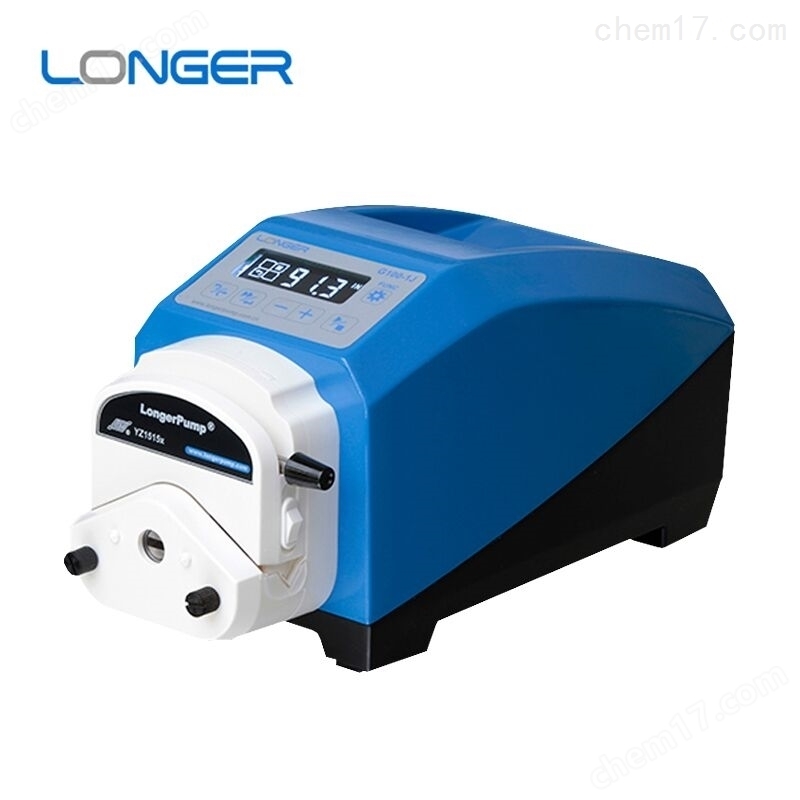
In the field of fluid transportation, conventional pump bodies are often limited by the corrosiveness, viscosity, or contamination risks of special media, and face thorny problems such as leakage, blockage, and cross contamination. Butperistaltic pumpWith the unique structure of "pump tube isolation transportation" - the fluid only contacts the pump tube, and the pump body does not directly contact the medium, it has become an "exclusive solution" for special medium transportation. From highly corrosive chemical raw materials to precision biological agents, the adaptability of peristaltic pumps covers multiple high difficulty scenarios. Below, we will focus on the special types of media that peristaltic pumps are suitable for conveying and analyze the technical advantages behind them.
Strong corrosive media are the "hot potato" in the field of transportation, and peristaltic pumps easily overcome this problem through flexible adaptation of pump tube materials. Common strong acid and alkali media in chemical production, such as hydrochloric acid and sulfuric acid, are prone to corrosion and leakage in ordinary metal pump bodies. However, peristaltic pumps can use corrosion-resistant pump tubes such as polytetrafluoroethylene (PTFE) and fluororubber, which have strong chemical stability and can resist the erosion of the vast majority of corrosive media.
The core challenge in the transportation of high viscosity and granular media lies in preventing blockages and ensuring uniform transportation. The extrusion conveying principle of peristaltic pumps precisely solves this dilemma. Jam and syrup in the food industry, sludge and suspension in the environmental protection field, as well as colorants in the coating industry, have a viscosity of thousands of centipedes and contain solid particles. Conventional centrifugal pumps are prone to problems such as impeller blockage and flow fluctuations. The peristaltic pump generates negative pressure to transport fluid by squeezing the pump tube through the pressure roller. There are no mechanical moving parts inside the pump tube, which will not affect its operation due to particle jamming. At the same time, stable speed control ensures uniform flow.
Aseptic and easily contaminated media have strict requirements for the cleanliness of conveying equipment, and the non cross contamination characteristics of peristaltic pumps have become an ideal choice in the fields of medicine and biology. Once vaccines, serum, and cell culture media in the pharmaceutical industry come into contact with the metal parts of the pump body, they may not only be contaminated but also cross contaminated due to the adsorption of medium components. The pump tube of the peristaltic pump is a component that comes into contact with the fluid, and is made of sterile materials such as medical grade silicone and thermoplastic elastomers. After use, the pump tube can be directly replaced without the need for complex cleaning and sterilization of the pump body. It meets GMP certification standards and has been widely used in the fermentation liquid delivery process of biopharmaceuticals.
In addition, peristaltic pumps also perform well in the transportation of flammable and explosive media such as methanol and ethanol. By equipping explosion-proof motors and sealed pump heads, they can meet the requirements of explosion-proof levels; In the transportation of expensive or high-precision media such as precious metal solutions and electronic grade chemicals, precise flow control can reduce media waste and lower production costs.
From strong corrosion to sterile environments, from high viscosity to granular media, peristaltic pumps break through the limitations of transporting special media with their unique structural advantages. When choosing a peristaltic pump, the key is to match the appropriate pump tube material and pump type based on the characteristics of the medium. If you need precise selection advice, you can contact our professional technical team to customize a customized delivery solution for you.
Last Article: What are the main components of a peristaltic pump?
Next Article: What are the procedures for using laboratory freeze dryers