-
E-mail
739915789@qq.com
-
Phone
13912998027
-
Address
No. 188, Xin Street, Donggou Industrial Park, Liuhe District, Nanjing City
Nanjing Hilbert Instrument Equipment Co., Ltd
Maintenance methods and techniques for walk-in constant temperature and humidity test chamber
Date: 2025-07-27Read: 0
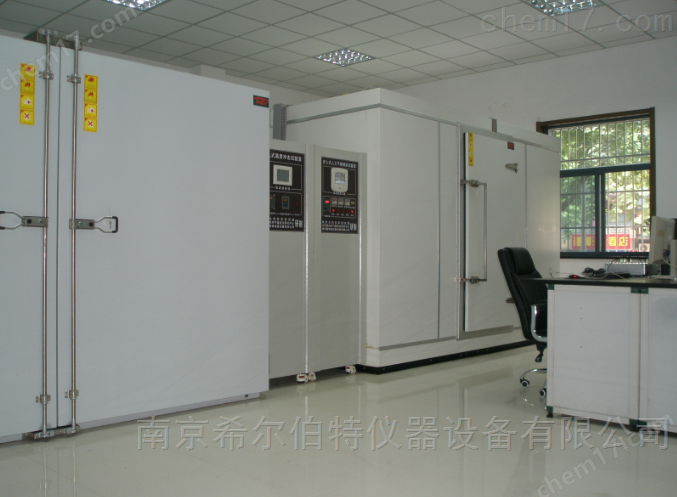
The walk-in constant temperature and humidity test chamber is widely used in environmental testing in industries such as electronics, electrical appliances, automobiles, and materials, to simulate the effects of temperature and humidity changes on objects under various environmental conditions. As the frequency of use increases, the equipment may experience some malfunctions, affecting the accuracy of testing and the lifespan of the equipment. This article will introduce common faults and maintenance methods of the test box.
1、 Common faults and maintenance methods
1. Equipment failure to start: The inability to start the walk-in constant temperature and humidity test chamber is one of the common faults. When this situation occurs, the first thing to check is whether the power supply is normal. Confirm that the power socket is energized and the power cord is securely connected. Then check if the main power switch and circuit breaker of the equipment are functioning properly. If the power supply is functioning properly but the device still cannot start, it may be due to internal circuit failure or damage to the control board, and further inspection and repair by professional maintenance personnel are required.
2. Temperature cannot be adjusted: If the temperature of the device cannot be adjusted to the set value, first check if the temperature sensor is working properly. Damaged or poorly connected sensors may result in inaccurate temperature feedback from the temperature control system. At this point, it is necessary to replace or repair the sensor. In addition, check whether the temperature control instruments and control system are working properly to ensure that the set temperature can be accurately transmitted to the test chamber.
3. Humidity control failure: Unstable humidity control is one of the common equipment malfunctions. Firstly, check if the water level in the water tank is sufficient. If the water level is too low, it may cause the humidifier to malfunction. Secondly, check for any malfunctions in the humidifier and dehumidifier, such as poor circuit connections or damaged components. If the humidifier and dehumidifier are operating normally, it is also necessary to check the humidity sensor to ensure that it accurately measures humidity and provides feedback to the control system.
4. Excessive equipment noise: The compressor and fan of the equipment may produce noise during operation. Excessive noise is usually related to fans, compressors, or condensing systems. Firstly, check the operation of the fan and compressor to ensure that there are no loose or worn parts. If there is dust or dirt on the fan blades, it may cause the fan to become unbalanced, resulting in noise. Regularly cleaning the fan and condensing system, and checking all connecting components for tightness, can help reduce noise.
5. Water leakage phenomenon: If the water pump or drainage pipeline inside the equipment is blocked or broken, it will cause water leakage. Check if the water tank and drainage pipe are unobstructed to ensure that the water pump is working properly. If the water pump is damaged or the pipeline is blocked, the water pump should be replaced or the pipeline should be cleaned in a timely manner. In addition, check the sealing strip of the box to ensure that it is not aged or damaged, and avoid unstable humidity control caused by external air entering.
6. Display screen unable to display: When the display screen is unable to display or shows abnormal prompts, first check if the power supply is working properly. If the power supply is normal, check if the connection wires of the display screen are loose or damaged. If there is a problem with the monitor itself, you can try restarting the device. If it still cannot display normally, you need to replace the display screen or contact repair service.
2、 Daily maintenance and upkeep
In addition to troubleshooting, daily maintenance is also the key to extending the service life of the walk-in constant temperature and humidity test chamber. Here are some common maintenance suggestions:
1. Regular cleaning: Regularly clean the dust and debris inside and outside the test chamber, especially the fan and condenser, to ensure the normal heat dissipation and air circulation of the equipment.
2. Check the water tank: Regularly check the water level of the water tank, maintain sufficient water volume, and avoid dry burning of the water pump. At the same time, clean the scale in the water tank to ensure the normal operation of the humidification system.
3. Calibration of temperature and humidity sensors: Regularly calibrate temperature and humidity sensors to ensure the accuracy of equipment testing and avoid errors affecting experimental results.
4. Check the sealing: Ensure that the door and sealing strip of the test chamber are intact and prevent moisture leakage, which may lead to inaccurate test results.
3、 Summary
The normal operation of the walk-in constant temperature and humidity test chamber is an important guarantee for environmental testing. Regular inspection and timely maintenance can effectively avoid equipment failures and ensure the accuracy of experimental data. When encountering equipment malfunctions, users should troubleshoot one by one according to the type of malfunction and carry out reasonable repairs and replacements. Through daily maintenance, the service life of equipment can be extended and work efficiency can be improved. During the maintenance process, if there are faults that cannot be handled by oneself, professional maintenance personnel should be contacted in a timely manner for inspection to ensure the efficient operation of the equipment.