-
E-mail
3892196252@qq.com
-
Phone
13329186925
-
Address
Building 2, Shengfeng Software Park, Huashan District, Ma'anshan City, Anhui Province
Ma'anshan Maisite Intelligent Technology Co., Ltd
Understanding the Installation of Combustible and Toxic Gas Alarm Devices in One Text
Date: 2025-11-05Read: 1
Firstly, clarify a very important concept,Combustible and toxic gas alarmIt is to prevent fire, explosion, and personnel poisoning accidents, not for occupational health needs. Whether or not to install a combustible and toxic gas alarm depends on whether there is a source of release.
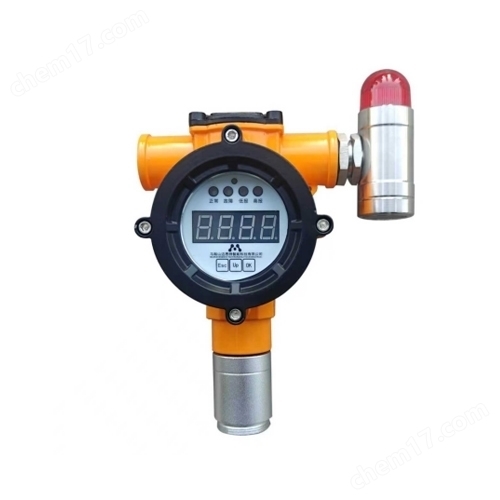
Determination of release source
The most common issue regarding combustible and toxic gas alarms in various safety inspections is the lack of combustible and toxic gas alarms in the area. Even listed as a major hazard!
The reason for this is inaccurate understanding of the "release source" of flammable and toxic gases. So an accurate understanding of the "release source" is the most important first step in managing combustible and toxic gas alarms.
The definition of release sources in GBT50493 "Design Standard for Detection and Alarm of Combustible and Toxic Gases in Petrochemical Industry"
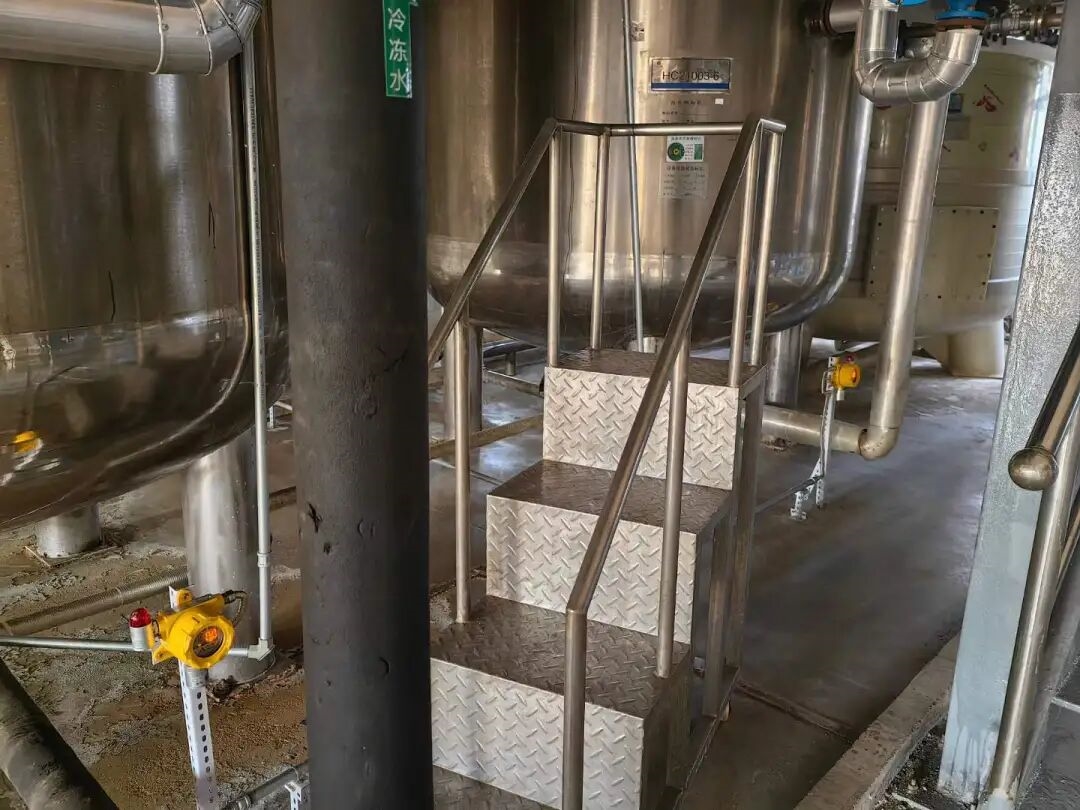
1. Detection points should be arranged around the release sources of flammable and/or toxic gases:
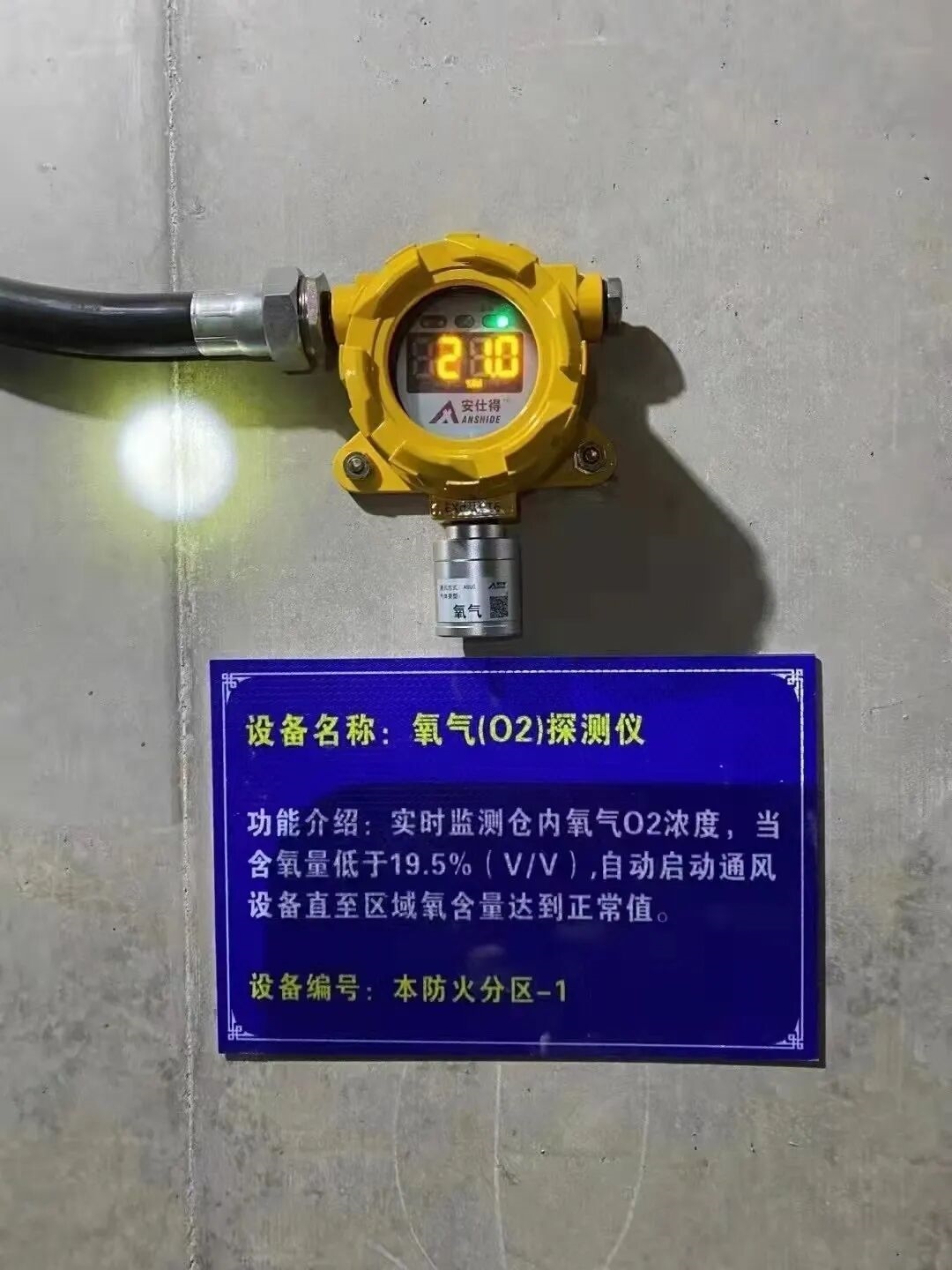
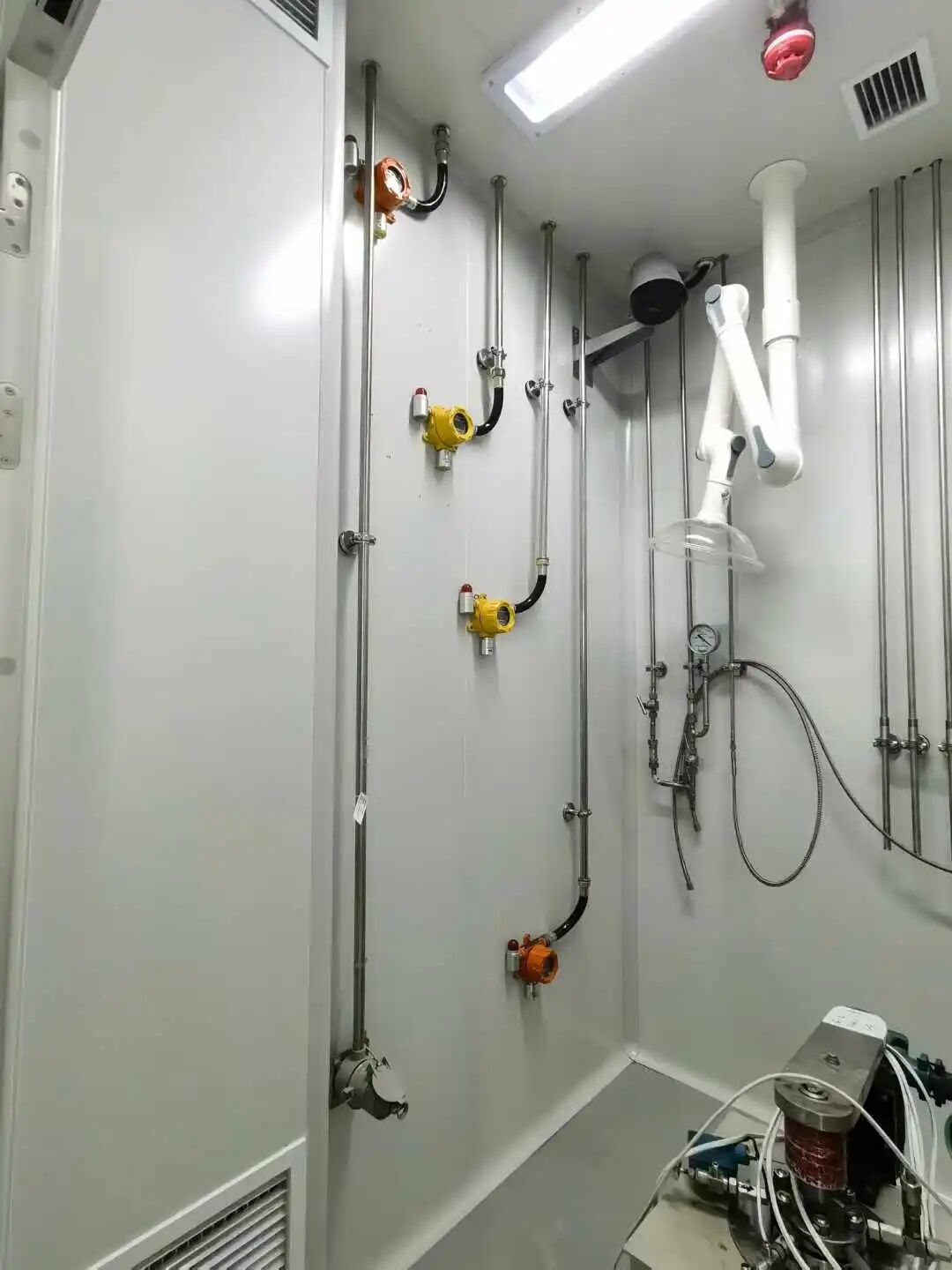
2. The online analyzer room located within Zone 2 of the explosion hazard zone should be equipped with combustible gas and/or toxic gas detectors, as well as oxygen detectors.
3. A combustible gas detector should be installed between the open flame heating furnace and the combustible gas release source. The horizontal distance between the detector and the edge of the heating furnace should be 5m~10m. When there is a non combustible material solid wall between the open flame heating furnace and the combustible gas release source, a detector should be installed on the side of the solid wall near the release source.
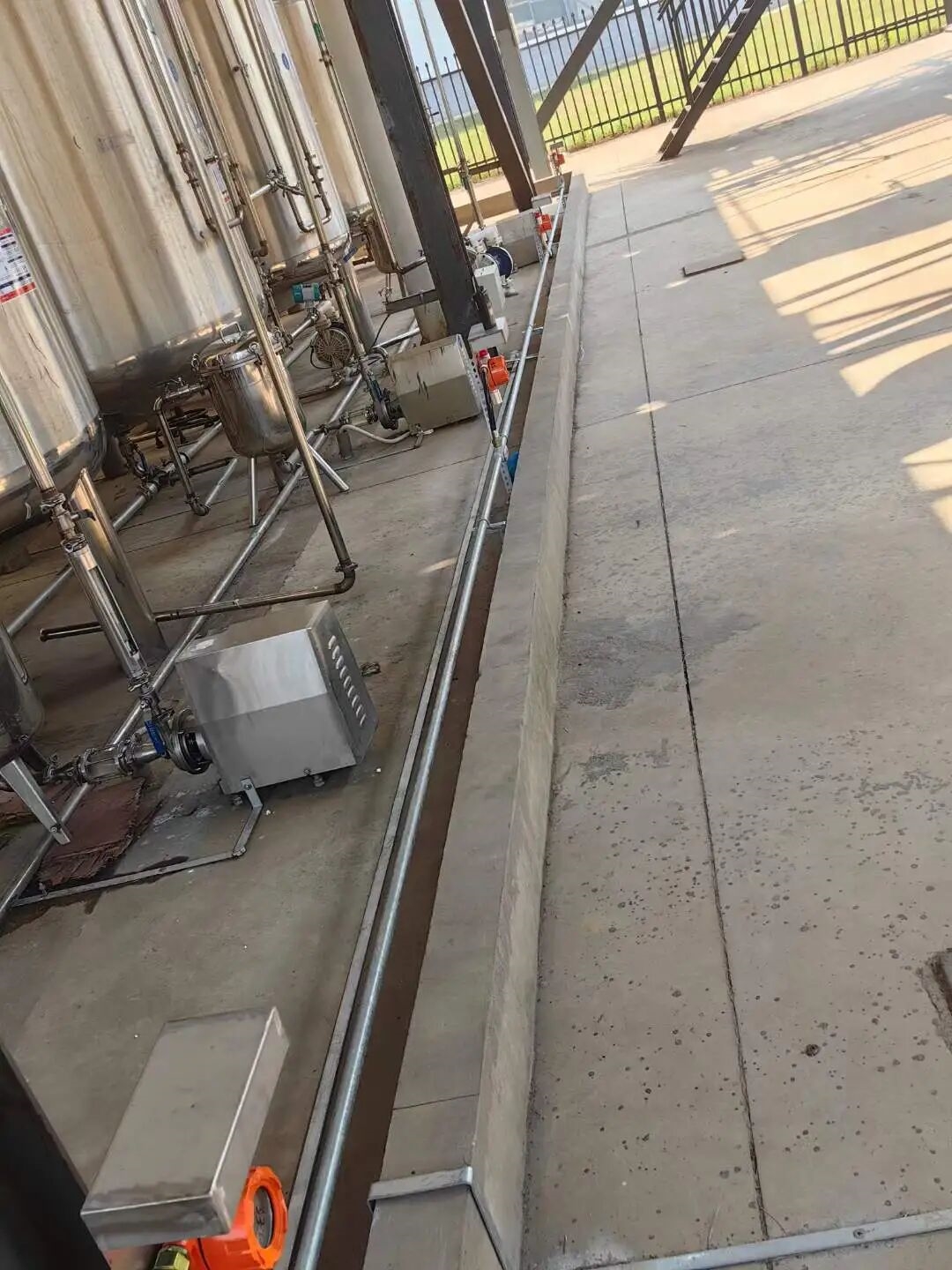
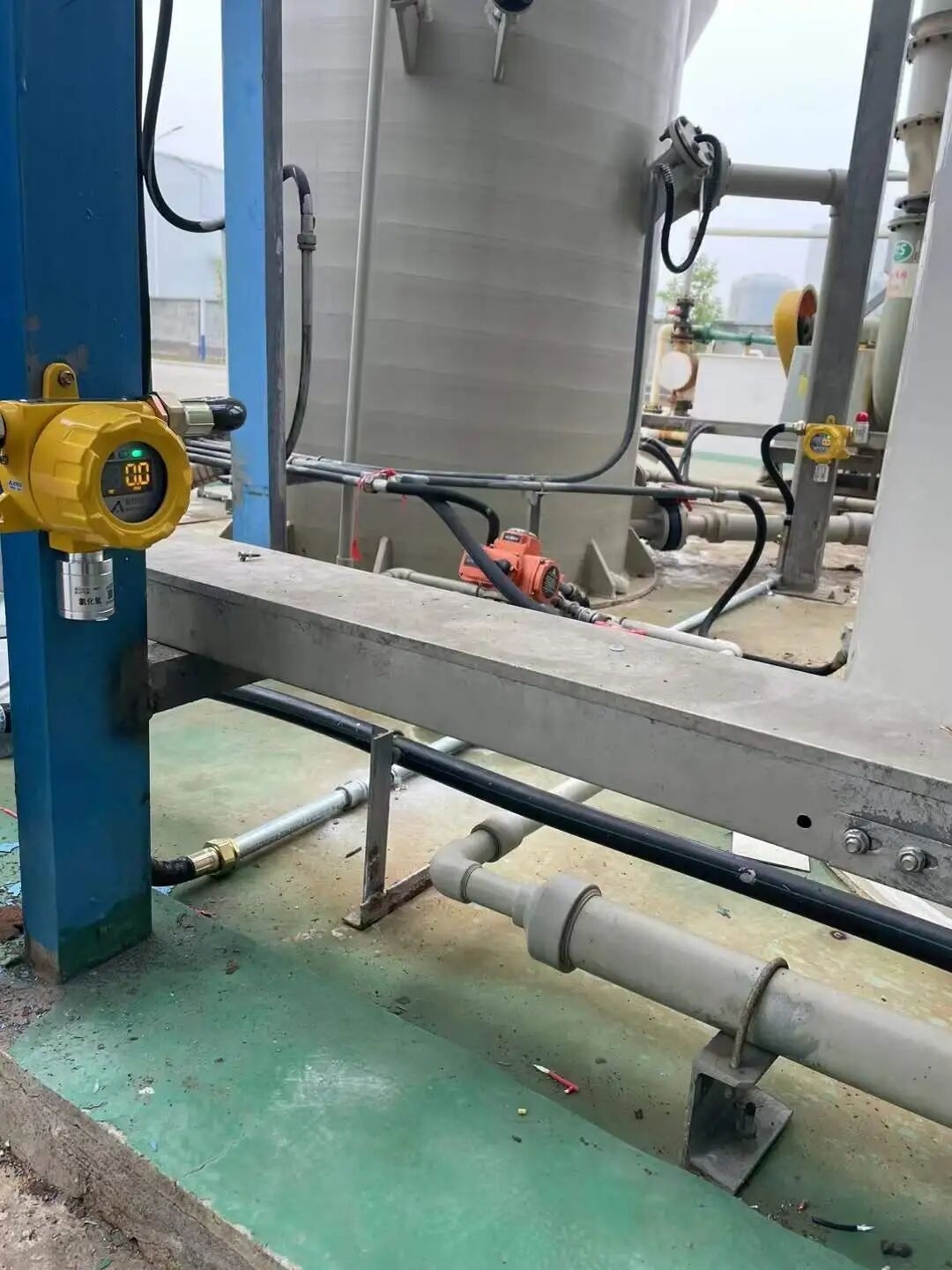
4. Combustible and/or toxic gas detectors should be installed in places where combustible and/or toxic gases may enter the building, such as air conditioning fresh air intakes in control rooms and cabinet rooms.
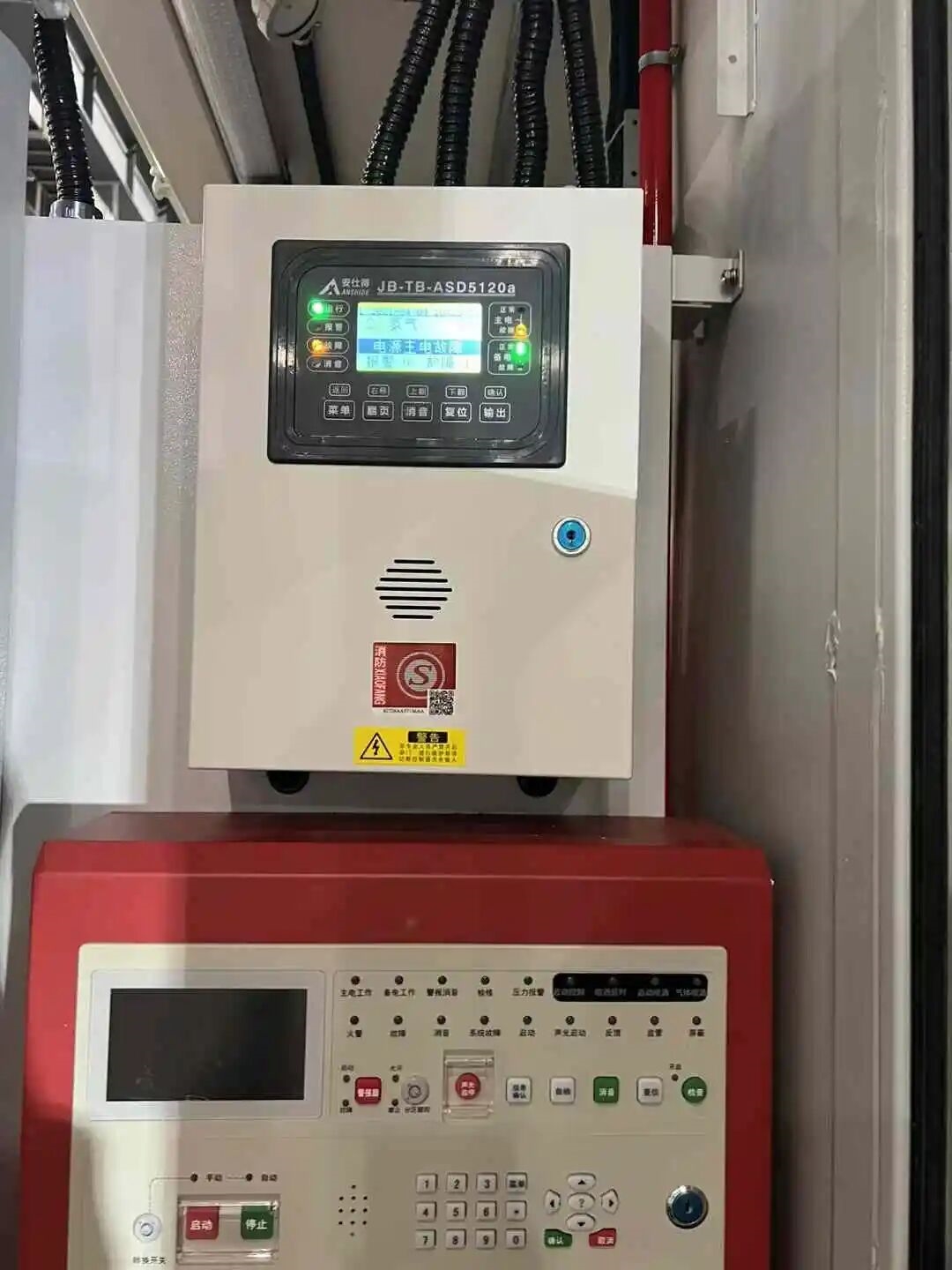

Combustible and toxic gas alarmIt is a safety device specifically designed to detect the concentration of combustible gases in the environment. Its core function is to alert users through sound and light alarms, signal transmission, and other methods when combustible gases leak and reach a certain concentration, thereby preventing safety accidents such as explosions, fires, or poisoning.
The setting, installation, and functional requirements for combustible gas detectors are as follows:
1. Set requirements
(1) Except for the gas consumption areas of residential buildings, combustible gas detection and alarm devices should be installed in places where combustible gases and vapors may be emitted within the building.
(2) Combustible gas detectors should be installed near areas where combustible gases may be generated. Among them, combustible gas detectors with a gas density lower than that of air should be installed at the top of the protected space, and combustible gas detectors with a gas density higher than that of air should be installed at the bottom of the protected space. When the gas density is equivalent to that of air, combustible gas detectors can be installed in the middle or top of the protected space.
1) Provide various public facilities such as residential living, commercial, industrial production, heating, ventilation, and air conditioning to users through transmission and distribution systems
When detecting gas that is lighter than air, the horizontal distance between the detection alarm and the gas appliance or valve should not exceed 8m, the installation height should be within 0.3m from the ceiling, and it should not be placed above the gas appliance. When detecting gas heavier than air, the horizontal distance between the detection alarm and the gas device or valve should not exceed 4m, and the installation height should be within 0.3m from the ground. The protection area length of the linear combustible gas detector should not exceed 60m.
2) When detecting combustible or toxic gases heavier than air in petrochemical enterprises, the installation height of the detector should be 0.3m~0.6m from the floor (or floor). When detecting flammable or toxic gases that are lighter than air, the installation height of the detector should be within 2.0m above the release source. When detecting combustible or toxic gases slightly heavier than air, the installation height of the detector should be 0.5m-1.0m below the release source. When detecting flammable or toxic gases that are slightly lighter than air, the installation height of the detector should be 0.5m-1.0m higher than the release source. Linear combustible gas detectors should be installed in large open spaces, and the length of their detection area should not exceed 100m.

2. Functional requirements
1) When the concentration of combustible gases in the monitored area reaches the alarm set value, the alarm confirmation light of the detector should light up and remain on for 30 seconds, while emitting an alarm signal.
2) After the monitoring area of the detector returns to normal, the alarm status of the detector should be reset, and the alarm confirmation light of the detector should be turned off.
3) For linear beam combustible gas detectors, when the detection beam is obstructed, the fault indicator light of the detector or its control device should light up within 100 seconds.
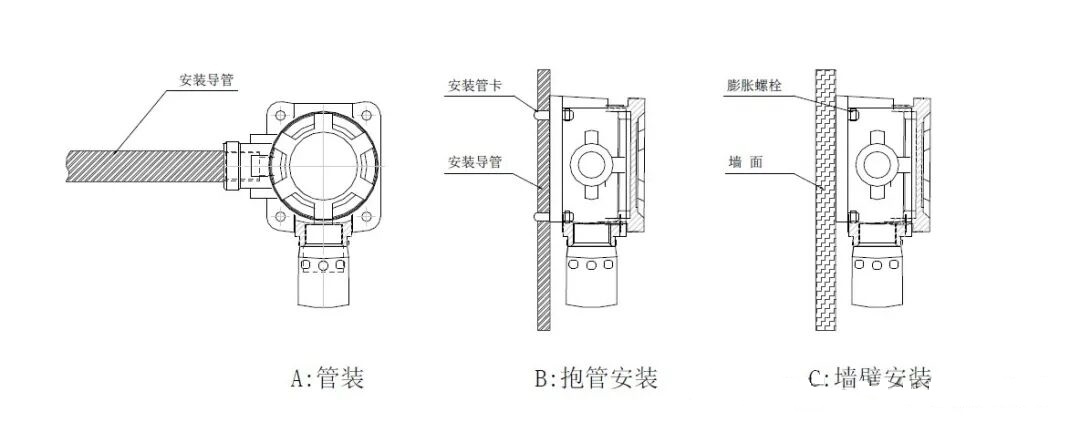
Three wire transmission signal connection method for combustible and toxic gas alarm
Many customers say they don't know how to wire the product after receiving it, but it's actually quite simple. Today, we will introduce how to wire the three wire system.
Three wire system, also known as 4-20mA output, commonly referred to as 3-core cable.
So how to connect the detector and controller?
Let's first take a look at the internal structure
Three wire system, also known as 4-20mA output, commonly referred to as 3-core cable.
So how to connect the detector and controller?
Let's first take a look at the internal structure
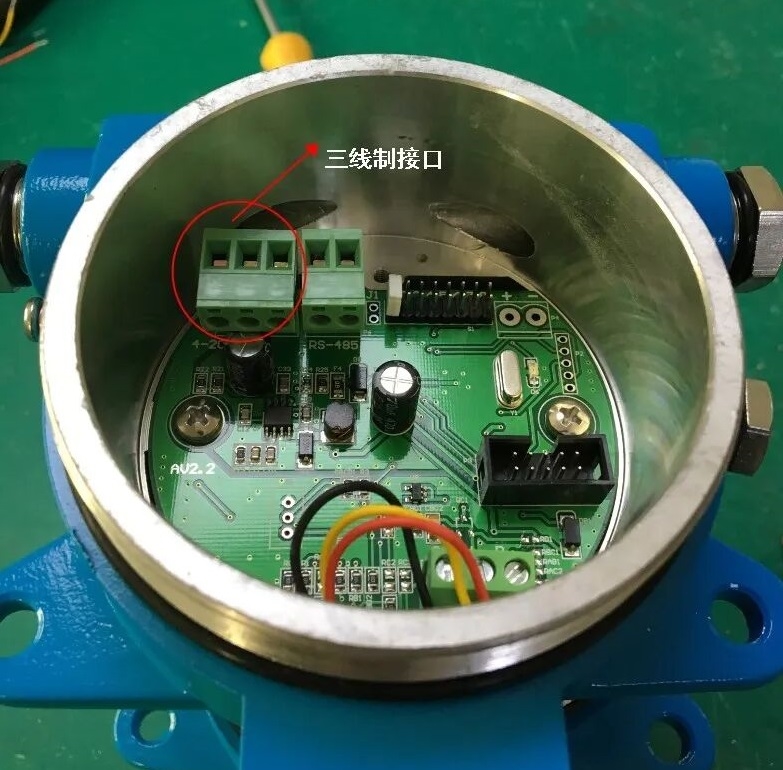
Internal structure diagram of controller: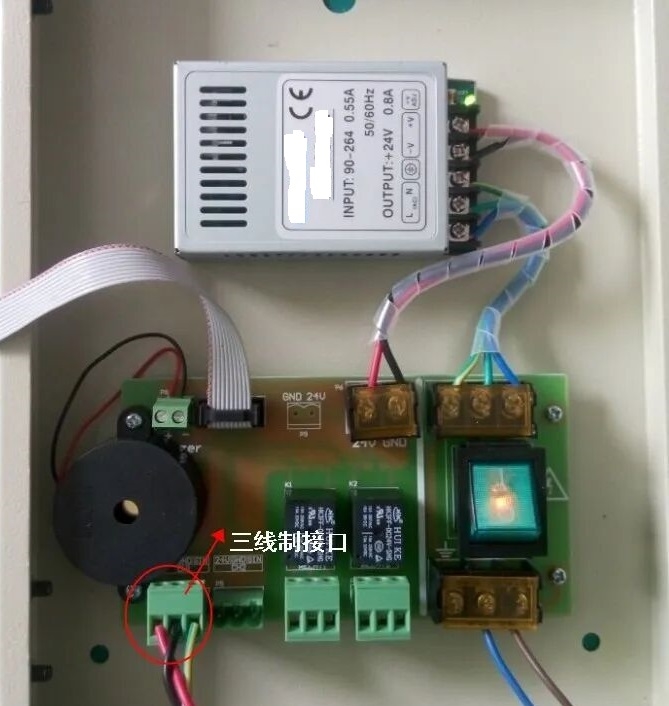
So how do I wire it? Please refer to the following image:

On site connection, regardless of the color of the connecting wires, as long as the detector and controller correspond at both ends!
Before wiring, it is necessary to disconnect the power supply. It is important to note that the detector motherboard corresponds to the out output signal, while the controller motherboard corresponds to the sin input signal.
Next Article: Infrared gas online analyzer of gas online analyzer