-
E-mail
info@campbellsci.com.cn
- Phone
-
Address
1201, Building 60, Tianji Zhigu, No. 109 Jinghai 3rd Road, Yizhuang Economic Development Zone, Beijing
Kangbao Zhixin Measurement Technology (Beijing) Co., Ltd
Tips for using the WisensPoleno pollen automatic monitoring device
Date: 2025-12-23Read: 1
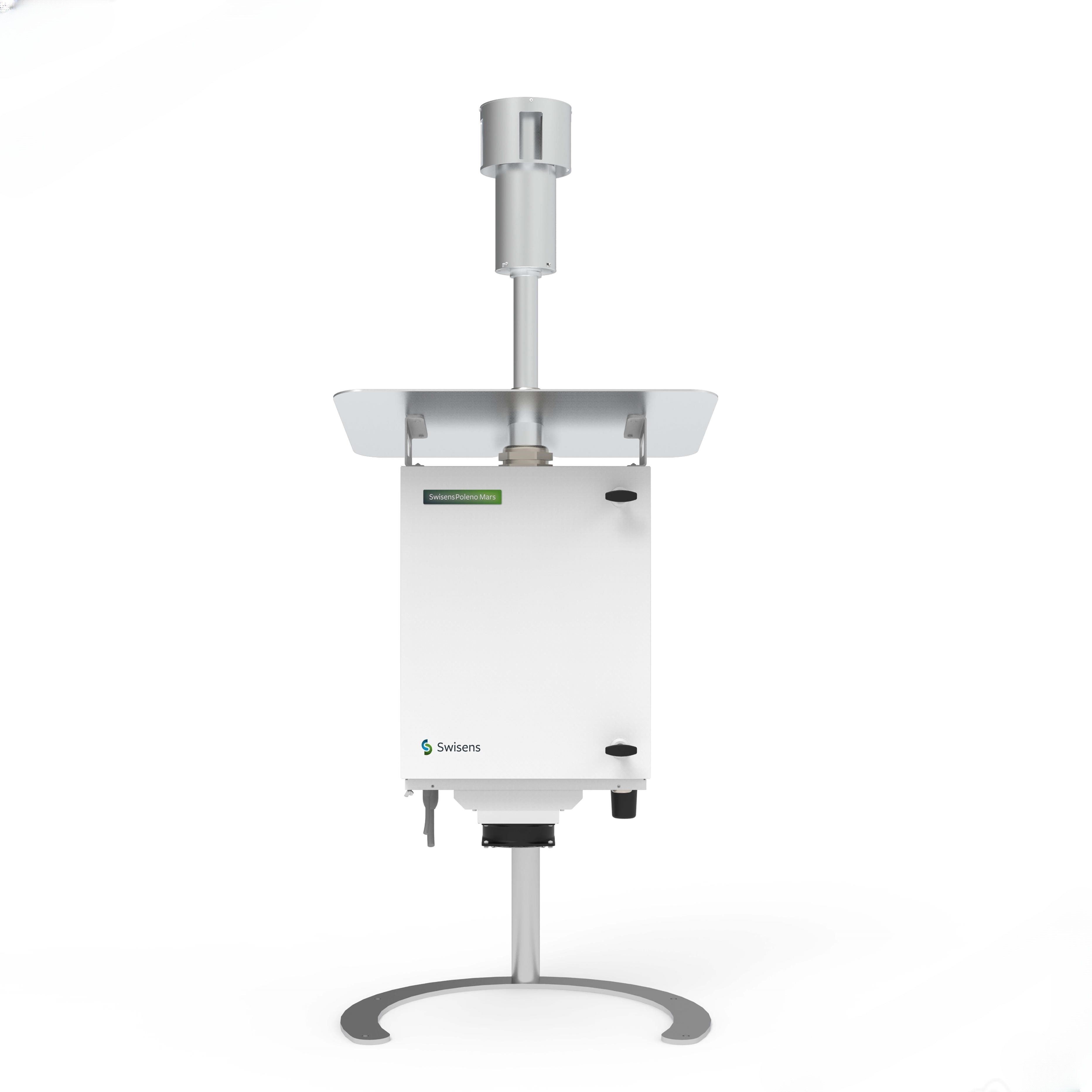
With the intensification of environmental pollution and climate change, pollen allergy has become a health hazard for more and more people. To effectively address this issue, the wisensPoleno pollen automatic monitoring device, as an advanced environmental monitoring device, provides convenience for real-time monitoring and analysis of pollen. This article will introduceWisensPoleno pollen automatic monitoring deviceUse tips to help users better utilize the device for pollen monitoring.
1、 Installation and Debugging
1. Site selection: It is crucial to choose a suitable installation location before use. Open areas far from pollution sources (such as busy roads, industrial areas, etc.) should be selected to ensure the accuracy of monitoring data. At the same time, avoid placing devices under tree shade or on the leeward side of buildings to reduce interference from the surrounding environment on monitoring results.
2. Equipment installation: When installing equipment, ensure to operate according to the requirements in the manual. Confirm that the power connection is normal, check if the sensor is intact, and ensure that the device is in a horizontal state. Choose the appropriate height for installation as needed to achieve the best monitoring effect.
3. Equipment debugging: After installation is completed, turn on the equipment and perform preliminary debugging. Check if the data on the display screen is normal and ensure that the device can successfully connect to the network. According to actual needs, monitoring intervals and data upload frequencies can be set to obtain the latest pollen data in a timely manner.
2、 Daily usage skills
1. Regular calibration: To ensure the accuracy of monitoring data, it is recommended to regularly calibrate the WisensPoleno pollen automatic monitor. Generally, it is recommended to perform calibration every three months. Through calibration, errors caused by external environmental changes can be eliminated, improving the reliability of monitoring results.
2. Data management: It has data storage and management functions, and users can view monitoring data in real time through the built-in software or mobile applications of the device. For ease of analysis, it is recommended to regularly export and save data, record the trend of pollen concentration changes, and combine it with meteorological data for in-depth analysis.
3. Pay attention to environmental changes: The concentration of pollen is influenced by various factors, including weather, season, and the growth of surrounding plants. When using the device, it is important to pay attention to weather changes such as wind speed, precipitation, etc., as these factors can affect the spread and concentration of pollen. In addition, understanding the flowering period of local plants can also help to better understand monitoring data.
4. Reasonable setting of alarm threshold: Supports setting alarm function, users can set the alarm threshold for pollen concentration according to their own needs. When the detected pollen concentration exceeds the set value, the equipment will promptly issue an alarm. It is recommended to set a reasonable alarm threshold based on past monitoring data and personal allergy history, in order to take timely protective measures.
3、 Data Analysis and Application
1. Data analysis: Through the collected data, users can conduct in-depth analysis. For example, observing the changes in pollen concentration during a specific time period, analyzing the relationship with meteorological conditions, identifying the seasons and times of high pollen incidence, and providing a basis for personal and social health management.
2. Applied to health management: For people who are prone to allergies, timely pollen concentration information can be provided to help users take protective measures. For example, on days with high pollen concentration, users can reduce their outdoor time, wear masks, or use air purifiers to lower indoor pollen concentration.
3. Providing reference for agricultural production: In the field of agriculture, monitoring pollen concentration has a significant impact on crop pollination and yield. By analyzing monitoring data, farmers can arrange fertilization, irrigation, and pest control time reasonably to improve crop yield and quality.
WisensPoleno pollen automatic monitor is a powerful environmental monitoring tool that can provide users with accurate pollen concentration data. In practical applications, through reasonable installation, usage skills, data analysis, and maintenance, its advantages can be fully utilized to provide strong support for personal health and agricultural management.