-
E-mail
18083798558@163.com
-
Phone
18101455820
-
Address
Liubao Industrial Park, Yangzhou City, Jiangsu Province
Jiangsu Ruyan Busbar Manufacturing Co., Ltd
Structure and installation precautions of 3500A fire-resistant busbar trunking
Date: 2025-12-15Read: 36
3500A fire-resistant bus ductIt is a closed conductive structure that can maintain power transmission for a certain period of time. Its design purpose is to maintain the integrity of the circuit in high temperature environments and prevent power outages caused by fires. It consists of a shell, insulation layer, conductive strip, and other parts. The shell is usually made of metal material and filled with fire-resistant insulation material inside. When an external fire occurs, the fire-resistant layer can block the transfer of heat to the internal conductor, thereby ensuring the continuous transmission of electricity.
Installation precautions:
1、 Pre construction inspection and preparation
Before installation, it is necessary to carefully check the integrity of the fire-resistant bus duct and its accessories, and confirm that the model, specifications, and design drawings are consistent. Check whether the outer shell of the bus duct is deformed or damaged, and whether the internal insulation layer is intact. At the same time, verify whether the fire resistance rating meets the design requirements, and check whether the certificate of conformity and inspection report are complete. Prepare the necessary tools for installation, such as level gauges, torque wrenches, lifting equipment, etc., and ensure that the on-site environment is dry, clean, and free from cross operation interference.
2、 Accurate measurement and positioning
Before installation, conduct precise measurements in a diversified manner and determine the direction and elevation of the bus duct based on the design drawings. Use a laser level or theodolite for laying out, and mark the installation position of the bracket. Pay attention to avoiding ventilation ducts, water pipes, and other facilities, and reserve sufficient operating space. The angle and height difference should be calculated in advance at turning sections and elevation changes to avoid on-site cutting and modification. When measuring, the impact of building settlement and thermal expansion and contraction on the bus duct should be considered, and appropriate expansion joints should be reserved.
3、 The bracket installation is firm and reliable
The installation of brackets is the key to ensuring the stability of bus ducts. The spacing between brackets should be determined according to the specifications and load of the bus duct. Generally, it should not exceed two meters for horizontal installation and three meters for vertical installation. The connection between the bracket and the building structure should be diversified and firm. Expansion bolts should be used for fixing on concrete structures, and welding or clamping can be used for fixing on steel structures. The installation surface of each bracket should be kept horizontal, and multiple brackets should be on the same plane. After installation, it is necessary to check the load-bearing capacity and seismic performance of the bracket, and reinforce it if necessary.
4、 Detailed connection operation specifications
Bus duct connection is the most important step in the installation process. Before connection, the contact surface should be cleaned to remove the oxide layer and dirt, and a special conductive paste should be applied. When connecting, a torque wrench should be used to evenly tighten the bolts according to the required torque of the product, ensuring even contact pressure. After completing the connection, it is necessary to measure the contact resistance at the joint to ensure compliance with the standard. Special attention should be paid to the treatment of fireproof sealing. When passing through walls or floors, fireproof materials should be used to tightly fill the gaps to ensure the integrity of the fireproof zone.
5、 The grounding system is complete and reliable
The grounding diversification of fire-resistant bus ducts shall be strictly implemented in accordance with the specifications. Each section of the bus duct casing should have a reliable grounding connection, and the cross-sectional area of the grounding wire should meet the design requirements. The grounding terminal should be crimped using specialized tools to ensure a secure connection. The grounding resistance of the entire line should be measured and qualified to ensure grounding continuity. In environments where corrosive gases may be present, the grounding connection should undergo anti-corrosion treatment. After the installation of the grounding system is completed, continuity testing is required to ensure that each grounding point is reliably connected.
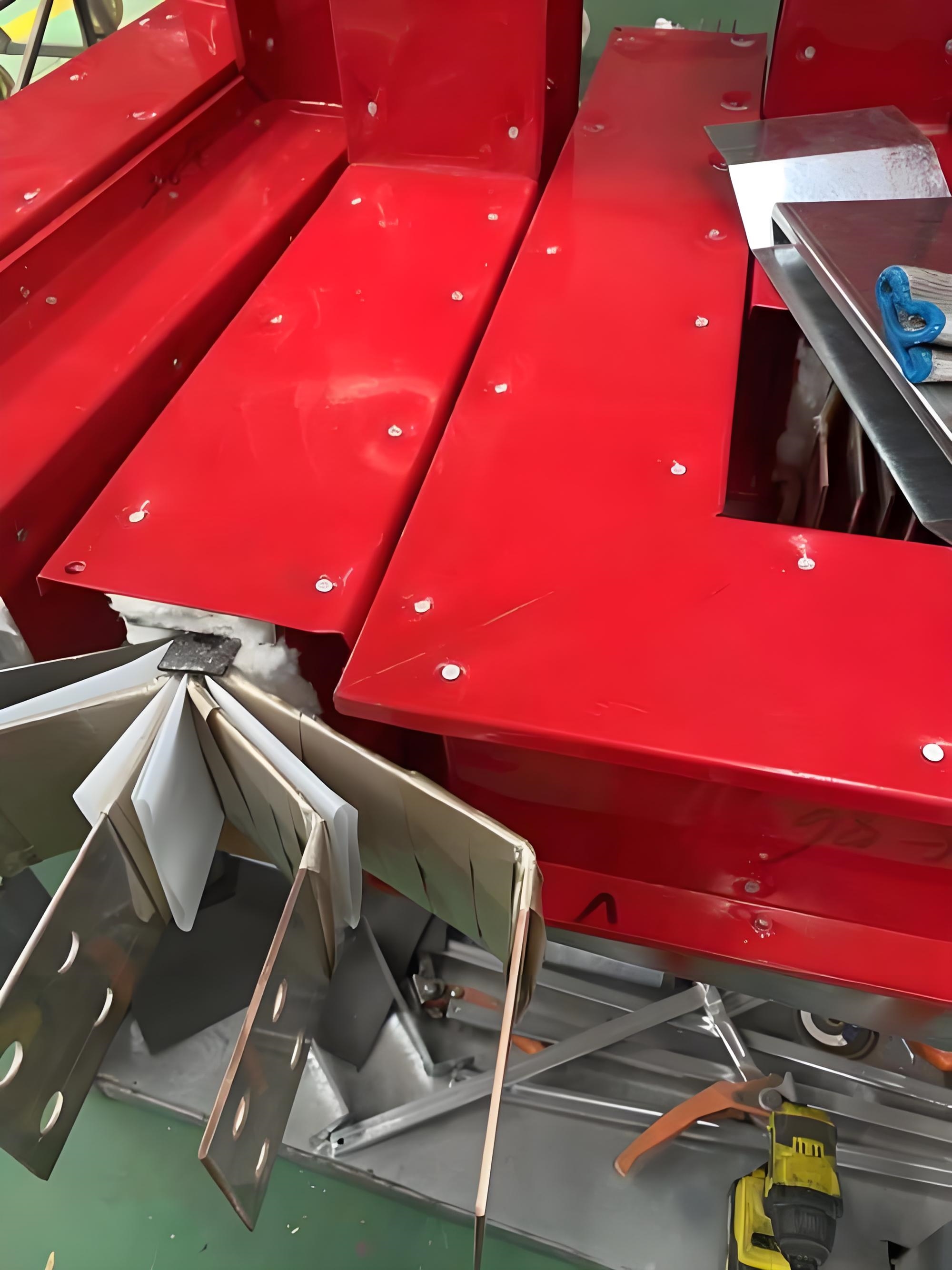
3500A fire-resistant bus ductAfter installation, conduct diversified system testing. Conduct a visual inspection to confirm that there is no mechanical damage to the bus duct, the bracket is securely installed, and the grounding system is complete. Perform insulation resistance testing again, using a megohmmeter to measure the phase to phase and phase to ground insulation resistance to ensure compliance with regulatory requirements. Finally, conduct a power on test, run without load first, check for any abnormal sounds or heating phenomena, and then gradually load to the rated current to monitor the temperature rise. All testing data should be recorded in detail as the basis for acceptance.
During the entire installation process of fire-resistant bus ducts, construction personnel should always follow the product technical specifications and industry standards, pay attention to maintaining a clean installation environment, and avoid wet operations. Each installation process should be carefully inspected to promptly identify and address any issues. Only through standardized construction and strict quality control can the safe and reliable operation of fire-resistant bus ducts be ensured.
Last Article: What are the advantages of using 35KV plug-in bus duct
Next Article: Advantages of 5000A aluminum tube bus duct