-
E-mail
yyang@industrialphysics.com
-
Phone
15821974398
-
Address
Room 803, Building 1, Lane 88, Shengrong Road, Pudong New Area, Shanghai
Industrial Physics
Working principle and application fields of melt index analyzer
Date: 2025-11-08Read: 0
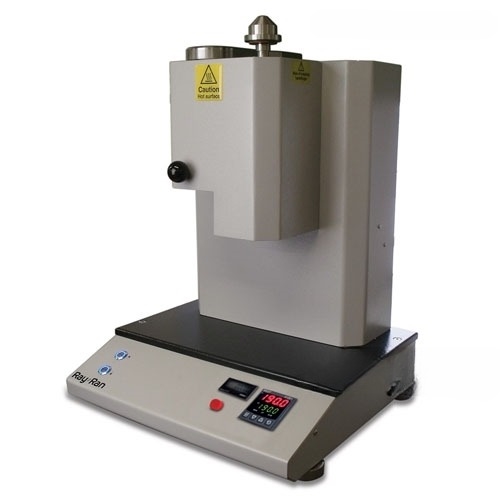
A melt index meter is an instrument used to measure the melt flowability of polymer materials, especially plastics. The melt index (MFI) refers to the mass of molten polymer that flows out per unit time under certain temperature and load conditions. By measuring the melt index, the processing performance of polymers can be evaluated, helping manufacturers and researchers understand the flow characteristics of plastics, optimize processing techniques, and ensure product quality.
1、 Working principle
Melt index meterThe working principle of is mainly based on applying a load to the polymer under certain conditions and observing its melt flow rate. The specific steps are as follows:
1. Heating and melting zone: The measuring tube is a vertical heating tube containing the polymer sample to be tested. Heat the tube to the specified temperature, depending on the type of polymer.
2. Apply load: In the high-temperature environment after heating, the fluidity of the molten polymer becomes very active. At this point, a specified load will be applied above, usually a fixed weight heavy object (such as a certain mass of weight).
3. Measurement of outflow: Under load, the molten polymer will flow down the measuring tube of the instrument, and the outflow will be collected and measured. By collecting and weighing the mass of molten polymer that flows out within a certain period of time, its melt index can be calculated.
4. Calculate melt index: The melt index is defined as the mass of polymer flowing out through a standard orifice per unit time.
5. Temperature and load conditions: In practical applications, the measurement conditions for melt index (such as temperature, load, etc.) will be set according to different standards and types of materials. For example, for materials such as polyethylene (PE) and polypropylene (PP), the testing temperature and load for melt index may vary.
2、 Application Fields
The melt index analyzer is widely used in multiple industries, especially in the processing of materials such as plastics and rubber.
1. Plastic industry: It is particularly important in the plastic industry, especially in the production process of common plastics such as polyolefins (such as PE, PP). By measuring the melt index, manufacturers can optimize plastic processing techniques such as injection molding, extrusion, blown film, etc., to ensure product quality and production efficiency. For example, plastics with lower melt indices have poor flowability and are suitable for thin-walled injection molded products, while plastics with higher melt indices are suitable for processing processes that require higher flowability, such as film blowing.
2. Polymer research and development: In the development process of new polymers, melt index is an important evaluation indicator. By studying the influence of different molecular weights or molecular structures on the melt index, the properties of polymers can be improved to meet specific application requirements. For example, developing polymer materials with specific fluidity for use in fields such as electronic packaging, automotive components, or medical equipment.
3. Quality control plays a crucial role in the production quality control of plastic and rubber products. Regularly measuring the melt index of raw materials and final products during the production process helps to detect any deviations and ensure that the melt flowability of the product meets the specified standards. By maintaining consistency in melt index, the processing performance and reliability of the final use of the product can be guaranteed.
4. Recycling and reusing plastics: Recycling plastics also plays an important role. The flowability of recycled plastics is often poor. By measuring the melt index, the quality of recycled plastics and their feasibility in reprocessing can be evaluated. In addition, the testing of melt index can also help optimize the formulation of recycled materials and improve their application performance in secondary processing.
The melt index analyzer is an important tool for evaluating the flow properties of polymer materials, widely used in the research, production, quality control, and recycling fields of plastics, rubber, and polymers. Through reasonable use, it can help manufacturers optimize processes, improve production efficiency, ensure product quality, and promote the development of materials science and engineering technology.
Last Article: Application of Sealing Tester in the Automotive Industry
Next Article: Operating procedures for Bentsen roughness tester