-
E-mail
huimengyu@vip.qq.com
-
Phone
18806828246
-
Address
No. 171 Yixian Road, Fuxi Street
Huzhou Lirong New Material Technology Co., Ltd
Tips and precautions for using injection bottles
Date: 2025-09-01Read: 36
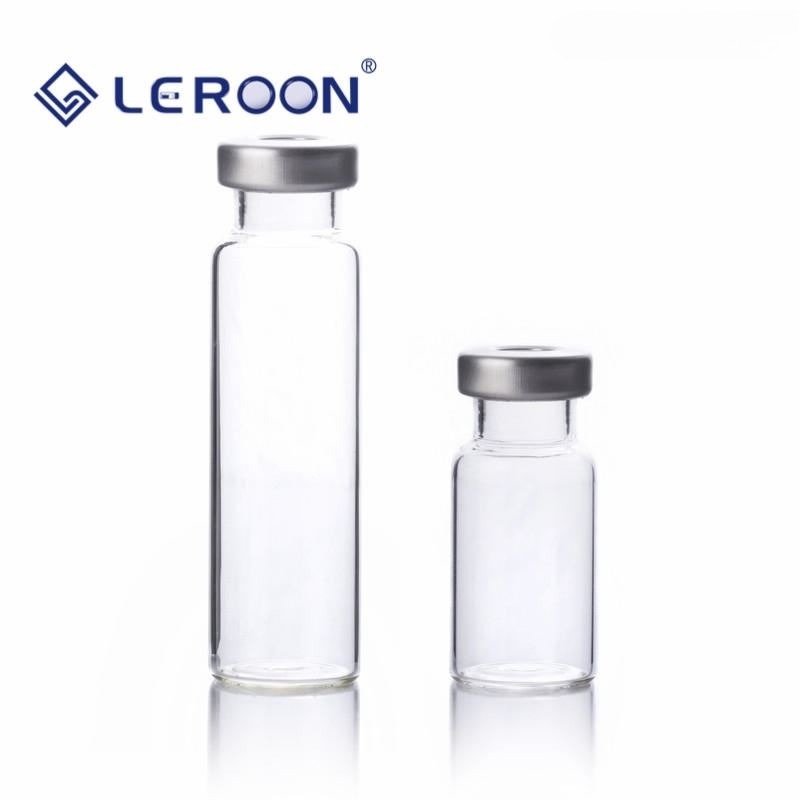
Sample injection bottle is a common experimental tool in laboratories, especially in sample analysis in fields such as chemistry, environment, and pharmacy, playing a crucial role. Used for collecting, storing, and transferring liquid, gas, or solid samples, it plays a role in protecting the samples and avoiding cross contamination during the analysis process. Proper use can not only improve the accuracy of analysis results, but also extend the service life of equipment. Here are some information aboutInjection bottleThe usage techniques and precautions.
1、 Choose the appropriate type
Firstly, it is necessary to choose the appropriate type according to the needs of the experiment. There are two common types: glass bottles and plastic bottles. Glass bottles are generally used for storing light stable solutions or gas samples, while plastic bottles are suitable for samples that are not easily reacted with the bottle material. In addition, the capacity, bottle mouth size, and type of bottle cap (such as screw cap, push cap, etc.) also need to be selected according to experimental requirements.
2、 Cleaning and drying
Ensure thorough cleaning before each use. Usually, ultrasonic cleaning machines, detergents, and deionized water can be used for cleaning. After cleaning, the bottle should be dried to avoid the influence of moisture on the sample. For bottles with severe pollution, acid washing or alkali washing can be used for removal. In addition, the bottle mouth and cap are very prone to accumulating dirt and grime, so special attention should be paid to these areas during cleaning to avoid cross contamination.
3、 Avoid sample contamination
During the use of the injection bottle, special attention should be paid to avoiding cross contamination. On the one hand, try to use disposable or specialized ones as much as possible; On the other hand, direct contact between fingers and parts such as the bottle mouth and inner wall should be avoided. Gloves and specialized clamping tools can be used to avoid contamination. For samples with volatile components, they should be tightly sealed to avoid evaporation or oxidation of the sample components.
4、 Precautions during injection
When sampling, reasonable operation should be carried out according to the characteristics of the sample. For example, for liquid samples, avoid introducing bubbles, especially when performing gas chromatography or liquid chromatography analysis, as bubbles may affect the analysis results. For gas samples, ensure that they have been emptied and avoid introducing air when sealing. For solution samples, when adding the solution to the bottle, it should be ensured that the bottle is not overfilled and a certain gap should be left to avoid sample leakage or excessive pressure inside the bottle.
5、 Sealing and Storage
After use, ensure that the bottle mouth and cap are well sealed. For samples that are toxic, volatile, or prone to contamination, sealing is particularly important. The sealing performance of the bottle cap is directly related to the stability of the sample and the accuracy of the analysis results. It is best to gently tighten it during sealing to avoid excessive tightening that may cause deformation of the bottle mouth. In addition, indicate the storage date, conditions, and name of the sample to avoid confusion or expiration during storage.
The usage techniques and precautions for injection bottles cover all aspects from selection, cleaning, operation to storage. The correct usage method can effectively reduce errors in experiments, improve the quality of samples, and enhance the accuracy of analysis. Especially in chemical experiments and sample storage processes, strictly following usage guidelines can avoid sample contamination, cross contamination, and experimental errors, thereby providing reliable assurance for research results.
Next Article: Various Applications of Sample Bottles in Laboratories