-
E-mail
18500490921@126.com
-
Phone
18500490921
-
Address
3101 Jiangxi Building, No.16 Shizhuang Road, Xinhua District, Shijiazhuang City, Hebei Province
Hebei Zhurong Environmental Technology Co., Ltd
Proper usage guidelines for Solman flue gas analyzer, these key points should be kept in mind
Date: 2025-07-16Read: 1
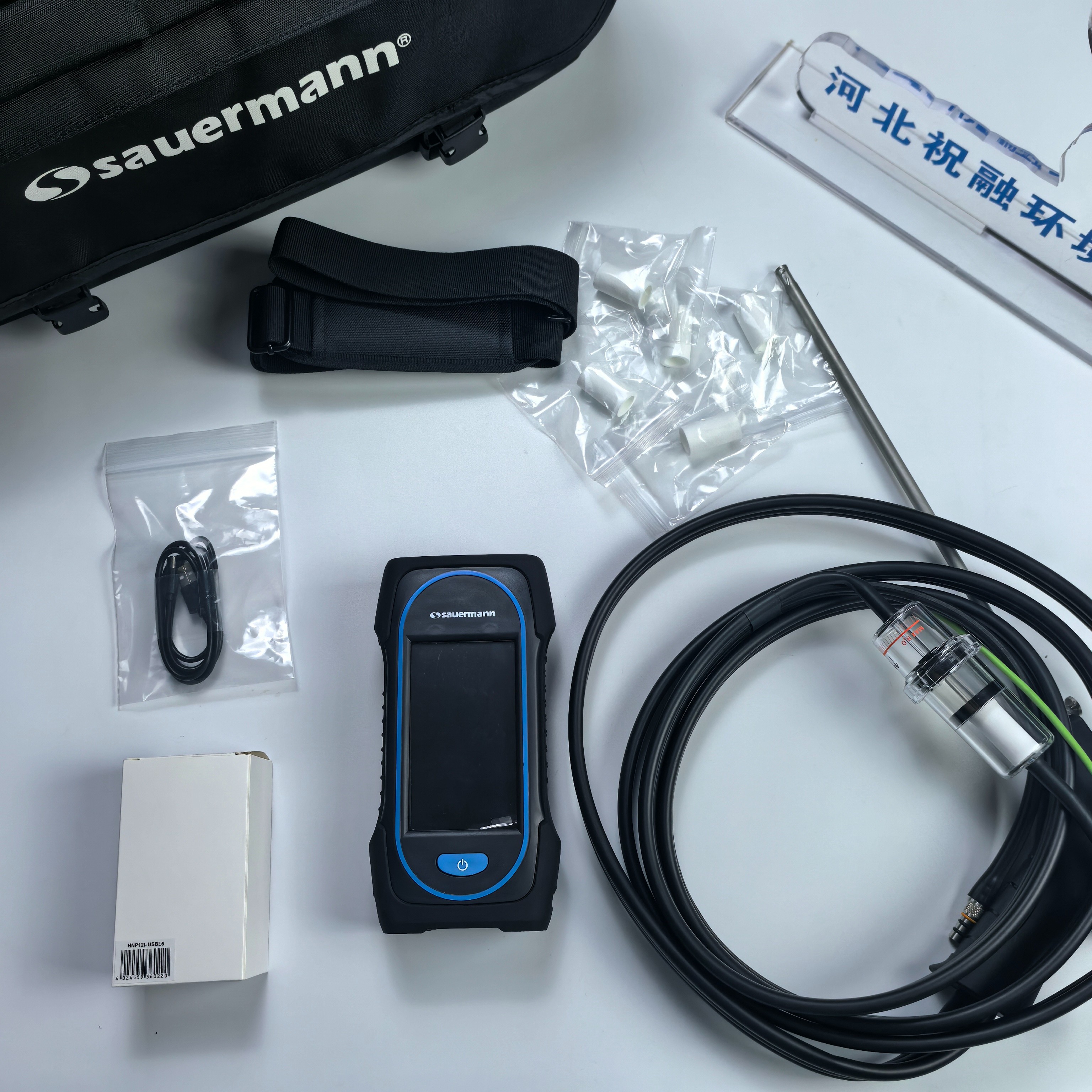
As a high-precision detection device, the Solman flue gas analyzer plays an important role in environmental monitoring, industrial production, and other fields. Proper use of this instrument can not only ensure the accuracy of detection data, but also extend the service life of the instrument. Below is a detailed introduction to the correct usage specifications of the Solman flue gas analyzer.
1、 Preparation before use
Instrument inspection: Before using the Solman flue gas analyzer, carefully inspect the appearance of the instrument for any damage and ensure that all components are securely connected. Focus on inspecting vulnerable components such as sampling tubes and filters to ensure that they are not clogged, cracked, or otherwise damaged. At the same time, check if the battery level of the instrument is sufficient. If the battery level is low, it should be charged in a timely manner to avoid the instrument being unusable due to battery issues during the testing process.
Calibration instrument: To ensure the accuracy of the detection data, the Solman flue gas analyzer needs to be calibrated regularly, and it is also recommended to calibrate it before each use. According to the requirements of the instrument manual, use standard gas for calibration operation to ensure that all parameters of the instrument are within the specified error range. After calibration is completed, the calibration records should be properly kept for future reference.
Environmental preparation: Choose a suitable testing environment and avoid using instruments in environments with high temperature, high humidity, flammability, explosiveness, or strong electromagnetic interference. At the same time, it is necessary to ensure good ventilation at the testing site to prevent the accumulation of harmful gases, which may affect the physical health of the testing personnel and the normal operation of the instrument.
2、 Specific operational procedures
Sampling point selection: Reasonably select sampling points based on the detection purpose and relevant standards. The sampling point should be set in a stable and representative position of the flue gas flow, avoiding places such as bends and valves that are prone to vortex generation. For sampling inside pipelines, it is necessary to ensure that the depth of insertion of the sampling tube into the pipeline meets the requirements. Generally, the insertion depth of the sampling tube should not be less than one-third of the diameter of the pipeline.
Sampling operation: Slowly insert the sampling tube into the sampling point, ensuring that the head of the sampling tube is in the correct position. Connect the instrument and sampling tube, turn on the sampling pump of the instrument, and start collecting smoke samples. During the sampling process, attention should be paid to observing the working status of the instrument. If any abnormal situation occurs, the sampling should be stopped immediately, and the fault should be checked and eliminated before continuing the operation. The sampling time is determined according to the requirements of the testing project, generally not less than the specified sampling time.
Data recording and analysis: After sampling is completed, the instrument will automatically display the detection data. Operators should promptly record various data, including pollutant concentration, temperature, pressure, and other parameters in the flue gas. At the same time, conduct preliminary analysis on the test data to determine whether the test results meet relevant standards and requirements. If abnormal data is found, it should be retested to ensure the reliability of the data.
3、 Maintenance and upkeep after use
Instrument cleaning: After use, the Solman flue gas analyzer should be cleaned in a timely manner. First, remove the sampling tube and filter, and wipe them clean with a clean soft cloth. For parts with oil stains or impurities, appropriate cleaning agents can be used for cleaning, but be careful to avoid using highly corrosive cleaning agents to avoid damaging the parts. After cleaning, reinstall all components.
Instrument storage: Place clean instruments in a dry, ventilated, and cool place, avoiding direct sunlight and rain. When storing instruments, they should be placed horizontally and not stacked with other heavy objects on top. For instruments that are not used for a long time, the battery should be removed to prevent battery leakage and damage to the instrument.
Regular maintenance: According to the requirements of the instrument manual, conduct comprehensive maintenance and upkeep of the Solman flue gas analyzer on a regular basis. Including replacing filters, checking the performance of sampling pumps, cleaning sensors, etc. Regular maintenance can promptly detect problems with the instrument, perform repairs and replace components in advance, and ensure the normal operation of the instrument.
In short, proper use of the Solman flue gas analyzer requires preparation before use, strict adherence to operating procedures, attention to post use maintenance, and compliance with relevant precautions. Only in this way can the detection accuracy and service life of the instrument be guaranteed, providing reliable data support for various detection work.