-
E-mail
277410132@qq.com
-
Phone
15013202531
-
Address
7th Floor, Shangsheng Building, Jiahewanggang, Baiyun District, Guangzhou City
Guangzhou Motiweixi Machinery Equipment Co., Ltd
Striving for excellence: Standard operating procedures for bottle washing machines in the petroleum industry
Date: 2025-09-23Read: 1
In the petroleum industry, the accuracy of laboratory analysis data is the cornerstone of exploration, refining, and product quality control. The cleanliness of various glassware used for collecting and storing oil samples and reagents (such as volumetric flasks, triangular flasks, sampling flasks, etc.) directly affects the reliability of the analysis results. Residual oil, wax, or chemical substances may cause serious cross contamination and experimental deviations. Therefore, as a key equipment for modern laboratory cleaning, the standardized operation of bottle washing machines in the petroleum industry is crucial. This regulation aims to ensure the effectiveness, repeatability, and safety of the bottle washing process.
1、 Preparation before operating the bottle washing machine in the petroleum industry: laying the foundation for cleanliness
1. Personal protection: Operators must wear appropriate personal protective equipment, including chemically resistant gloves, protective goggles, and lab coats.
2. Preprocessing check:
① Manual pre cleaning: For vessels that have been used to hold heavy crude oil, asphalt, or solidified wax, manual pre-treatment must be carried out by scraping off or using an appropriate amount of solvent to preliminarily dissolve most of the residue. It is strictly prohibited to directly put a large amount of solid residue or unknown organic matter into the bottle washing machine.
② Vessel inspection: Check for cracks, damages, or severe scratches on the vessels to be cleaned. These vessels should be promptly removed to avoid damage to the equipment or affecting the cleaning effect during the cleaning process.
3. Loading:
① Place the preprocessed vessels correctly in the dedicated cleaning basket, ensuring that the bottle mouth is facing downwards for sufficient drainage and rinsing.
② Maintain appropriate gaps between vessels to avoid overlapping and obstruction, and ensure that water and cleaning agents can fully contact all inner surfaces.
③ Containers of different weights and sizes should be allocated reasonably to maintain the balance of the basket frame.
2、 Operation: Accurately execute the process
1. Add cleaning agent: Accurately measure the specialized laboratory utensil cleaning agent based on water quality, dirt level, and manufacturer recommendations. It is strictly prohibited to use ordinary household detergent because of excessive foam and residues that may interfere with subsequent analysis.
2. Program selection: Choose a suitable cleaning program based on the common dirt characteristics in the petroleum industry. Usually, it should include:
① Pre wash/rinse: Rinse off most loose particles with cold or warm water.
② Main washing: Use hot water at 60-70 ℃ combined with alkaline cleaning agent to effectively decompose oil and organic residues.
③ Neutralization/rinsing (if necessary): For certain vessels with special analytical requirements, acidic cleaning agents may be used to neutralize alkaline residues.
④ Multiple final rinses: High purity water must be used for multiple rinses to ensure no residual cleaning agents.
⑤ Drying: High temperature hot air drying is used to quickly dry the vessels and avoid the formation of water stains.
3. Startup and monitoring: Close the machine door tightly and start the selected program. During the initial operation, pay attention to observing whether the equipment is running normally, whether there are any abnormal sounds or water leaks. Record the date, program number, and operator of each cleaning.
3、 Post operation processing and maintenance: ensure continuous reliability
1. Unloading and inspection: After the program is completed, wait for the temperature to slightly decrease and wear heat-resistant gloves to remove the container. Visual inspection should be conducted: The inner wall of clean vessels should form a uniform water film, without water droplets, and without any visible residue or spots.
2. Exception handling: If it is found that the cleaning is not clean, the situation should be recorded, the vessel should be reprocessed, and the cause should be investigated.
3. Equipment maintenance:
① After each cleaning, clean the bottom filter of the engine compartment and remove any residue.
② Regularly (according to usage frequency) run the descaling program to clean the scale.
③ Regularly inspect and clean the spray arm to ensure it rotates freely and the spray holes are unobstructed.
④ Perform regular maintenance according to the manufacturer's manual.
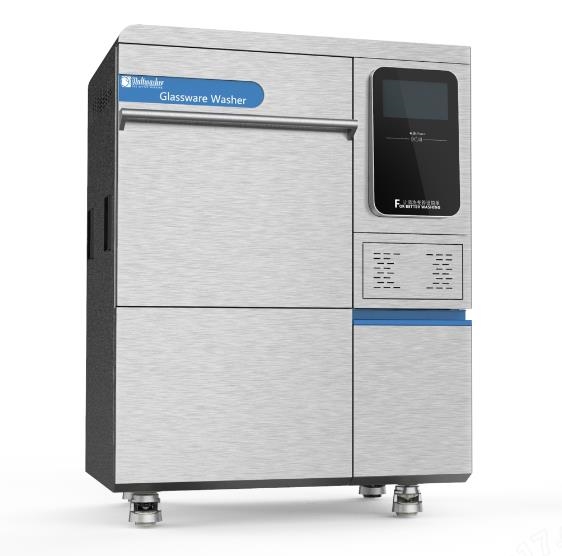
Conclusion
The standardized operation of bottle washing machines in the petroleum industry is not a simple "button press" process. It is a scientific management system that runs through preprocessing, program selection, effectiveness verification, and equipment maintenance. Strictly adhering to this regulation not only ensures the authenticity and reliability of analytical data, improves laboratory work efficiency, but also extends the service life of equipment. It is a crucial part of the laboratory quality management system, ultimately safeguarding the safety production and product quality of the petroleum industry.