-
E-mail
hsh@jujingyiqi.com
-
Phone
13192300728
-
Address
Room 430-432, Building G3, Najin Technology Industrial Park, No. 39 Ruihe Road, Huangpu District, Guangzhou City
Guangzhou Jujing Instrument Co., Ltd
Application of Stability Analyzer in Drug Quality Control
Date: 2025-12-06Read: 0
The stability of drugs is an important factor in ensuring their efficacy and safety. Under different storage conditions, drugs may undergo physical, chemical, or biological changes that can affect their quality, efficacy, and even lead to adverse reactions. Therefore, stability testing has become a key link in drug quality control. Stability analyzer, as a specialized device for drug stability testing, is of great significance in ensuring the quality and effectiveness of drugs.
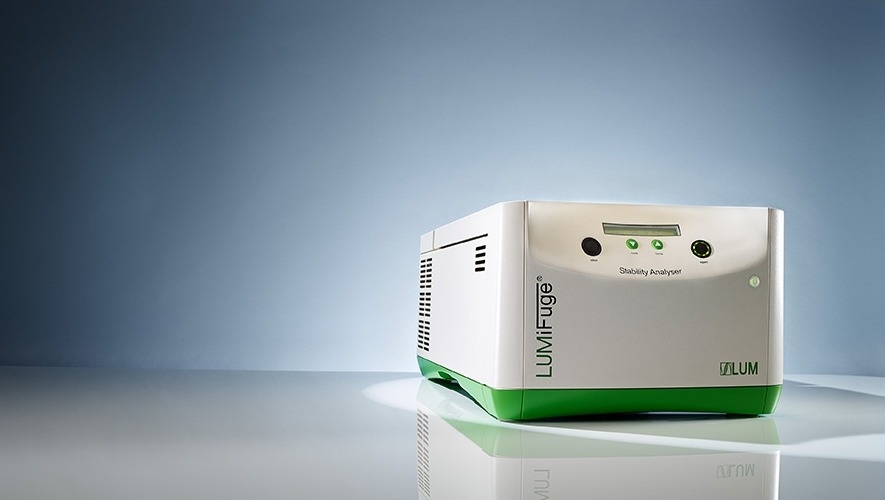
Stability analyzerThe application in drug quality control mainly includes the following aspects:
1. Determine the shelf life of drugs
One of the core objectives of stability testing is to determine the shelf life of drugs. By simulating the long-term storage of drugs in different environments, it helps determine the effective duration of drugs under specified storage conditions. This process usually requires accelerated testing and long-term testing to calculate the final shelf life of the drug based on experimental results.
2. Optimize the storage conditions of drugs
Stability analysis can not only determine the shelf life of drugs, but also help pharmaceutical companies optimize the storage conditions of drugs. By testing the stability of drugs under different temperature and humidity conditions, scientific basis can be provided for the transportation and storage of drugs. For example, some drugs may need to be stored at low temperatures, while others may require protection from moisture and light. It can provide accurate environmental simulation to help optimize the storage plan of drugs.
3. Guide drug packaging design
The design of drug packaging directly affects its stability. Stability analyzers can evaluate the long-term stability of drugs by simulating the performance of different packaging materials. The selection of packaging materials is crucial for certain drugs. For example, the packaging of drugs needs to be moisture-proof, light proof, gas proof, etc. By testing the impact of different packaging materials on drug stability, help pharmaceutical companies choose appropriate packaging solutions.
4. Quality Control and Regulatory Compliance
Drug stability testing is an important component of drug quality control. By conducting standardized testing, it is possible to ensure the quality stability of drugs during production and sales, in compliance with national drug regulatory requirements. In the process of drug registration, stability data of drugs is a key part of approval, therefore providing regulatory compliant data support for drug companies to help them smoothly pass drug registration approval.
5. Assist in the development of new drugs
Stability testing is an important step in the development of new drugs. It can not only help R&D personnel evaluate the stability of drug formulations, but also optimize the production process of new drugs. In the early stages of research and development, by conducting stability analysis on candidate drugs, the development team can determine the appropriate formula, dosage form, and storage conditions for the drug, reducing clinical trials and post market risks.
The stability analyzer is widely used in drug quality control, covering multiple aspects such as drug research and development, production, storage, packaging, and sales. Through precise temperature, humidity, light control, and automated data recording, it provides scientific basis for pharmaceutical companies to ensure the stability of drug quality, ensure the safety and efficacy of patients using drugs.