-
E-mail
1067173170@qq.com
-
Phone
18122351750
-
Address
Room 2519, Jinhui Building, No. 123 Jiefang South Road, Yuexiu District, Guangzhou City
Guangzhou Dejun Instrument Co., Ltd
A fusion example of precise detection and efficient analysis of infrared spectrophotometer oil analyzer
Date: 2025-10-26Read: 0
As a new generation of environmental monitoring equipment, the OIL 480 infrared spectrophotometer relies on the principle of infrared spectrophotometry and combines advanced optical and electronic technologies to achieve high-precision and rapid detection of petroleum, animal and vegetable oils, and total oil content in water bodies.Its performance characteristics run through four dimensions: optical system, detection accuracy, operational efficiency, and environmental adaptability, providing reliable technical support for fields such as environmental monitoring and industrial wastewater treatment.
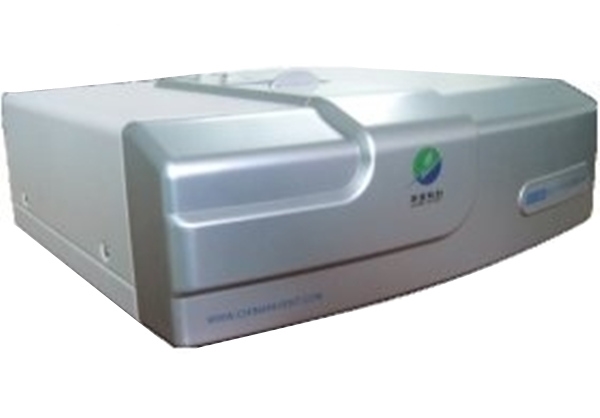
1、 Optical system: dual guarantee of stability and efficiency
The OIL 480 infrared spectrophotometer adopts a detachable integrated optical design, which achieves the characteristics of short optical path and energy concentration through a modular structure. Its core advantage lies in the layout of "splitting before absorption", which first decomposes the composite light into monochromatic light through a grating, and then the sample absorbs specific band energy. This design significantly improves spectral resolution and signal stability. The application of electrically modulated light source technology further optimizes system performance by replacing traditional mechanical cutting with electronic modulation. This not only reduces the impact of light source heating on instrument stability, but also simplifies the internal structure, allowing the entire machine to maintain wave number repeatability of ± 1cm ± 1 and wave number accuracy of ± 2cm ± 1 during continuous operation.
2、 Detection accuracy: full coverage from trace to high concentration
The instrument's detection range covers from 0.0008mg/L to 100% oil concentration, meeting the needs of different scenarios such as surface water, industrial wastewater, and soil leachate. Its detection limit can reach 0.0008mg/L (water sample), with a linear correlation coefficient R>0.999, ensuring accurate analysis of low concentration samples. In terms of technical implementation, by jointly calculating the absorbance of three characteristic bands, 2930cm-1 (CH? Group), 2960ccm-1 (CH? Group), and 3030cm-1 (aromatic ring), petroleum and animal and vegetable oils can be distinguished simultaneously, avoiding errors caused by polar substance interference in traditional methods.
3、 Operational efficiency: deep integration of intelligence and convenience
OIL 480 supports dual mode operation of full spectrum scanning (<30 seconds/time) and non dispersive infrared method (2 seconds/time), combined with one click measurement function, greatly reducing the single detection time. The software system integrates automatic zeroing, regression equation calculation, and data storage functions. Users can directly upload spectra to the computer through a USB interface to achieve real-time analysis and traceability of experimental data. In addition, the instrument is compatible with colorimetric dishes of any size from 1-5cm, adapting to the detection needs of samples with different concentrations, further enhancing operational flexibility.
4、 Environmental adaptability: multiple protections for reliable operation
For complex industrial environments, the instrument has been designed with enhanced anti-interference capabilities. Electronic components adopt electromagnetic compatibility layout, which can effectively shield external electromagnetic interference; The working temperature range of the host is extended to 5 ℃ -45 ℃, and the humidity tolerance upper limit is up to 85% (without condensation), ensuring stable operation in high-temperature and high humidity workshops or outdoor mobile detection. At the same time, the independent packaging design of the optical system and electrical system reduces maintenance difficulty, and non expert users can also complete basic maintenance.
The OIL 480 infrared spectrophotometer redefines the technical standards for oil detection equipment through innovative optical system design, full range coverage of detection accuracy, intelligent improvement of operational efficiency, and enhanced environmental adaptability. Its performance not only meets national standards such as HJ637-2018, but also provides a cost-effective solution for the field of environmental monitoring with a modular and integrated design concept.