-
E-mail
1315940635@qq.com
-
Phone
13167984542
-
Address
Building 2, Building 35, Liandong U Valley, No. 619 Xiangfu Avenue, Shuangfu New District, Chongqing
Chongqing Chuangce Technology Co., Ltd
Drug Stability Testing Box: Guardian of Drug Quality
Date: 2025-09-16Read: 0
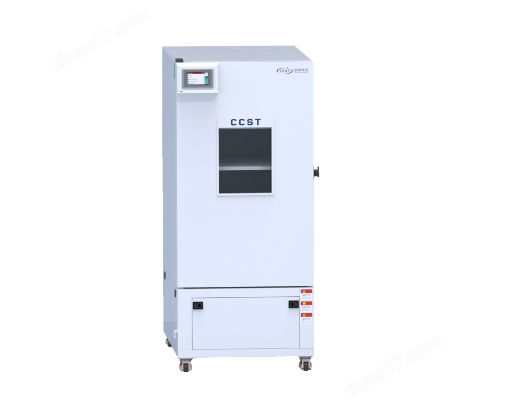
The drug stability testing box plays a crucial role in various aspects of drug research and development, production, and quality control. It is not only the guardian of drug quality, but also a key equipment to ensure the safety and effectiveness of drugs. By precisely controlling and simulating various environmental conditions, the drug stability chamber provides a reliable platform for drug stability testing, thereby helping enterprises and research institutions achieve quality control throughout the entire lifecycle of drugs.
1、 Function
The quality and stability of drugs directly affect the medication safety and treatment efficacy of patients. In the research and production process of drugs, drug stability chambers simulate different environmental conditions to help researchers and production personnel comprehensively understand the stability of drugs under various conditions. This device can accurately control parameters such as temperature, humidity, and lighting, ensuring the stability and reproducibility of experimental conditions. Through these experiments, researchers can determine the optimal storage conditions for drugs, extend their shelf life, and improve their quality and safety.
2、 Key functions
The main function is to simulate various environmental conditions to test the stability of drugs under different conditions. These conditions include but are not limited to temperature, humidity, lighting, and air pressure. Through these simulation experiments, researchers can evaluate the chemical and physical stability of drugs in different environments.
Temperature control: The drug stability testing box can accurately control the temperature range from low to high, ensuring the stability of the drug under different temperature conditions. This is crucial for evaluating the temperature sensitivity of drugs during storage and transportation.
Humidity control: Humidity also has a significant impact on the stability of drugs. The drug stability box can accurately control the humidity range, from low humidity to high humidity, helping researchers evaluate the stability of drugs under different humidity conditions.
Light simulation: Light is another important factor that affects the stability of drugs. The drug stability box can simulate light conditions of different intensities and wavelengths, helping researchers evaluate the stability of drugs under light conditions.
Air pressure control: In certain special circumstances, air pressure may also affect the stability of drugs. The drug stability chamber can simulate different pressure conditions, helping researchers evaluate the stability of drugs under different pressure conditions.
3、 Application scenarios
Widely used in various aspects of drug research and development, production, and quality control. In the drug development stage, researchers can use this device to evaluate the stability of new drugs, optimize drug formulations and production processes. During the production phase, drug stability assessment kits can help production personnel determine the optimal storage and transportation conditions to ensure the stability of drugs during the production process. In the quality control stage, drug stability chambers can be used to regularly test the stability of drugs, ensuring the quality and safety of drugs within their expiration date.
4、 Advantages
It has multiple advantages, making it a device for drug quality control. Firstly, this device can precisely control experimental conditions, ensuring the accuracy and reproducibility of experimental results. Secondly, the drug stability chamber can simulate various environmental conditions, helping researchers comprehensively evaluate the stability of drugs. In addition, this device is easy to operate, has low maintenance costs, and is suitable for long-term use.
VI. Conclusion
The drug stability testing box plays a crucial role in drug quality control. By precisely controlling and simulating various environmental conditions, this device helps researchers and production personnel comprehensively understand the stability of drugs, ensuring the quality and safety of drugs in different environments.