-
E-mail
710099789@qq.com
-
Phone
13915826788
-
Address
No.2 Simu Road, Jintan District, Changzhou City
Changzhou Yichen Instrument Manufacturing Co., Ltd
Precautions for using air bath constant temperature oscillator
Date: 2025-09-11Read: 1
As a common laboratory equipment, the air bath constant temperature oscillator is widely used in fields such as biology, chemistry, and pharmaceuticals. It provides stable environmental conditions for experiments through precise temperature control and oscillation functions, suitable for various experiments that require temperature control and mixing. The core function is to maintain stable oscillation of the sample at the set temperature, and this oscillation can be adjusted by adjusting parameters such as amplitude and frequency to meet the needs of different experiments.
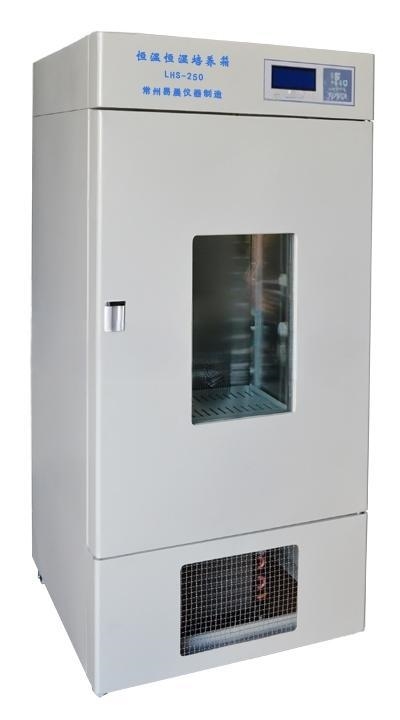
Air bath constant temperature oscillatorWorking principle:
1. Temperature control system
The temperature control system mainly maintains a constant temperature of the experimental sample through the joint action of electric heaters (such as heating tubes) and temperature sensors (such as PT100 sensors). The temperature sensor monitors the internal temperature of the equipment in real time. Once the temperature deviates from the set value, the temperature control system will automatically activate the heating or cooling device to maintain the required constant temperature environment. Most of them provide a wide temperature control range (usually from room temperature to around 100 ℃) and have high temperature uniformity.
2. Oscillatory system
The oscillation system is another key component. Through the built-in motor drive system, the device can achieve oscillation with set frequency and amplitude. Common oscillation modes include horizontal oscillation, vertical oscillation, and rotational oscillation. Experimenters can adjust the frequency and amplitude of oscillations as needed. The function of oscillation is to promote sufficient mixing of the sample, accelerate the reaction, or maintain a uniform distribution of cell culture.
Key Features:
1. Accurate temperature control performance
Usually equipped with a high-precision temperature control system, it can be precise to ± 0.1 ℃, ensuring the stability of the experimental environment. The precision requirements for temperature control are usually high, especially in the fields of life sciences and pharmaceutical research, where such precision is crucial.
2. Adjustable oscillation function
Users can adjust the frequency, amplitude, and oscillation mode of the oscillation according to different experimental needs, providing greater experimental flexibility. The oscillation frequency range of the equipment is usually between 30 and 500rpm, and the amplitude can be adjusted within a certain range to meet the needs of different samples.
3. Stable operating environment
Design a stable environment that can be maintained over a long period of operation, reducing equipment interference with experimental results, especially for experiments that require long-term constant temperature oscillation, such as cell culture, chemical reactions, etc. The stability of the equipment is particularly important.
4. Multifunctionality and compatibility
Many designs take into account the diversity of experiments, and the equipment usually has multiple container adapters that can support different types of test tubes, culture dishes, plates, and other experimental containers. In addition, some devices can also perform fine temperature distribution and oscillation mode settings.
5. Easy to operate
Most of them use digital display screens and touch controls, and users can directly set the required parameters such as temperature, oscillation speed, and time. In addition, some devices are equipped with program control functions that can automatically switch between temperature and oscillation modes to improve the automation level of experiments.
Precautions for using an air bath constant temperature oscillator:
1. Regularly check the temperature control system
As the temperature control system is an important component, regularly check whether the temperature control system is functioning properly to ensure that the equipment can operate stably within the set temperature range.
2. Cleaning and maintenance
The residues generated during the experimental process may affect the performance of the equipment, especially the temperature control system and oscillation system, so the equipment should be cleaned in a timely manner after each use. Regular maintenance and repair are carried out to extend the service life of the equipment.
3. Reasonably set the oscillation frequency and amplitude
When conducting experiments, the appropriate oscillation frequency and amplitude should be selected according to the specific needs of the experiment. Excessive or insufficient oscillation may affect the results of the experiment and even cause damage to the sample.