-
E-mail
2853260283@qq.com
-
Phone
15906110547
-
Address
No. 33 Gaojia Road, Niutang Town, Changzhou City, Jiangsu Province, China Energy Conservation (Changzhou) Environmental Protection Technology Park, Building 17, Gate 2
Changzhou Lucky Electronic Equipment Co., Ltd
Troubleshooting of Common Problems with Rice Moisture Meter: Data Deviation, Instrument Malfunction, and Adaptation to Different Rice Varieties
Date: 2025-10-21Read: 0
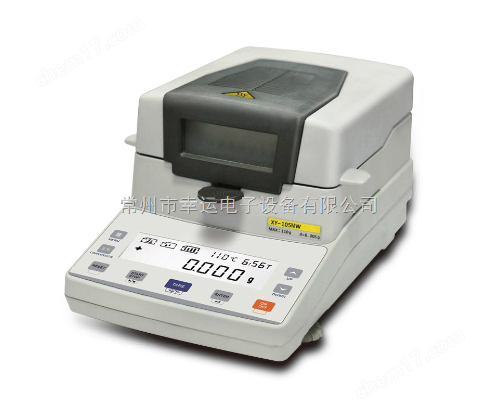
The rice moisture analyzer is a device used in grain processing, storage, and trade to quickly and accurately measure the moisture content of rice. However, during use, there may be issues such as data bias, instrument malfunctions, and adaptation to different rice varieties. If these issues are not resolved in a timely manner, they may affect the accuracy of measurements, thereby affecting product quality and economic benefits. Here are some common troubleshooting and solution methods.
1、 Data bias: ensuring the accuracy of measurement results
Data bias is one of the common problems when using a rice moisture analyzer. Deviation may be caused by various factors, including improper sample processing, inaccurate instrument calibration, or changes in environmental conditions.
(1) Sample processing
Sample uniformity: Ensure that the measured rice sample is representative and uniform. Uneven samples may lead to measurement deviation. When sampling, samples should be taken from multiple locations and mixed evenly.
Sample cleaning: Ensure that the surface of the sample is free of impurities or dust. Impurities may affect measurement results and lead to data bias.
Moderate sample size: Place an appropriate amount of sample according to the requirements of the instrument. Too many or too few samples can lead to inaccurate measurements.
(2) Instrument calibration
Regular calibration: Regularly calibrate the instrument to ensure its measurement accuracy. Calibration should be performed using standard samples to verify the accuracy of the instrument.
Environmental conditions: Ensure that the instrument is used under stable environmental conditions, avoiding the influence of environmental factors such as temperature and humidity on the measurement results. If the environmental conditions change significantly, the instrument should be recalibrated in a timely manner.
(3) Solution to Data Deviation
Multiple measurements taking the average: Multiple measurements are taken on the same sample, and the average is taken as the final result. This can reduce the impact of accidental errors on the measurement results.
Check the status of the instrument: If there is a significant deviation in the measurement results, the instrument should be checked for normal operation. Check whether the sensors, power supply and other components of the instrument are normal, and repair or replace them if necessary.
2、 Instrument malfunction: Ensure the normal operation of the equipment
Instrument malfunction may result in inaccurate or impossible measurement results. Timely detection and resolution of instrument malfunctions are key to ensuring the smooth progress of measurement work.
(1) Common faults and troubleshooting methods
Sensor malfunction: If the measurement results displayed by the instrument are abnormal or unable to measure, it may be a sensor malfunction. Check if the sensor is clean and if there are any signs of damage or looseness. If necessary, replace the sensor.
Power issue: Check if the instrument's power supply is working properly. If the power supply voltage is unstable or the battery is low, it may cause the instrument to malfunction. Ensure stable power supply or timely battery replacement.
Software issue: Check if the software of the instrument is running properly. If software malfunctions, it may result in inaccurate measurement results or instrument malfunction. Updating software or restoring factory settings may solve the problem.
(2) Preventive measures
Regular maintenance: Regularly maintain the instrument, including cleaning the sensors, checking the power supply, and calibrating the instrument. This can reduce the occurrence of instrument malfunctions.
Correct operation: Strictly follow the operation manual of the instrument to avoid instrument malfunction caused by improper operation. Operators should receive appropriate training and be familiar with the operation and maintenance of instruments.
3、 Adaptation of different rice varieties: measurement differences between indica and japonica rice
Different varieties of rice (such as indica rice and japonica rice) have differences in physical and chemical properties, which may lead to measurement bias. Understanding these differences and taking appropriate measures can improve the accuracy of measurements.
(1) Differences in Characteristics between Indica Rice and Japonica Rice
Starch content: The starch content and composition of indica rice and japonica rice are different. The starch content of indica rice is relatively low, while that of japonica rice is relatively high. This may result in differences in moisture absorption and drying speed between the two when measuring moisture content.
Particle size: The particles of indica rice are usually smaller than those of japonica rice, which may affect the uniformity of the sample and measurement results.
(2) Adaptation method
Adjust measurement parameters: Adjust the measurement parameters of the instrument based on the characteristics of the rice variety. For example, for indica rice, it may be necessary to adjust the measurement time or temperature to obtain more accurate results.
Calibration using standard samples: Calibrate the instrument using the corresponding variety of standard samples. This ensures that the instrument can accurately measure different varieties of rice.
Sample pretreatment: Prior to measurement, appropriate pretreatment is performed on different varieties of rice, such as drying or crushing, to reduce the impact of variety differences on measurement results.
4、 Summary
The rice moisture analyzer is widely used in the grain industry, but it may encounter problems such as data deviation, instrument failure, and adaptation to different rice varieties during use. By properly handling samples, regularly calibrating instruments, promptly troubleshooting and resolving instrument malfunctions, and adjusting measurement parameters based on rice varieties, the accuracy and reliability of measurements can be effectively improved. Users should pay attention to the daily maintenance and operation standards of instruments to ensure that the equipment operates in the best condition, thereby improving work efficiency and product quality.