-
E-mail
841475174@qq.com
-
Phone
13921008373
-
Address
No. 29 Jinhu Road, Jintan District, Changzhou City, Jiangsu Province
Changzhou Dingxin Experimental Instrument Co., Ltd
Briefly describe the correct usage method of a powerful constant speed electric mixer
Date: 2025-10-16Read: 1
The powerful constant speed electric stirrer is a powerful assistant for processing high viscosity materials, large volume solutions, or requiring long-term continuous stirring in the laboratory. It is widely used in fields such as chemical synthesis, material preparation, biological fermentation, and food research and development. Its high torque motor, sturdy mixing shaft, and constant speed control make it the "power core", which can effectively overcome high resistance, achieve uniform mixing, dissolution, emulsification, and reaction promotion.
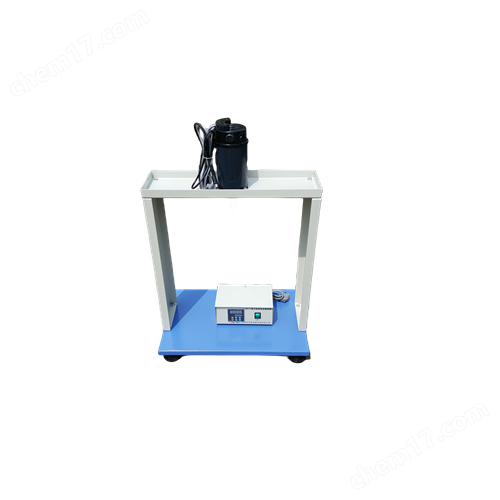
Step 1: Equipment inspection and environmental preparation
Before use, check whether the mixer base is stable and whether the column clamp is firm to avoid shaking during operation. Confirm that the power supply voltage matches the equipment requirements and is well grounded. Place the equipment on a stable and corrosion-resistant experimental platform, away from water tanks and high-temperature sources.
Step 2: Selection and installation of agitator blades
Select appropriate stirring blades based on the properties of the solution and the shape of the container:
Propeller type: suitable for rapid mixing of low viscosity liquids.
Anchor or frame type: suitable for scraping and stirring of high viscosity materials (such as gel and resin).
Paddle or propulsion type: used for homogenization and heat transfer of medium viscosity liquids.
Insert the mixing shaft into the motor spindle and lock it with a top screw or clamp to ensure no looseness. There should be a gap of 1-3cm between the lower end of the stirring blade and the bottom of the container to prevent friction.
Step 3: Container fixation and position adjustment
Place the beaker or reaction bottle containing the material under the stirrer and secure it with a universal clamp or magnetic force. Adjust the height of the column so that the mixing blade is submerged at a depth of 1/2 to 2/3 below the liquid surface, avoiding excessive depth to increase the load or shallow depth to prevent vortex splashing.
Step 4: Speed Setting and Startup
Set the speed according to the viscosity of the material and the purpose of stirring. It is strictly prohibited to start directly from high speed. Starting from low speed (such as 200 rpm), slowly adjust to the target speed to prevent the motor from overloading instantly. For high viscosity systems, the initial rotational speed should be low and gradually increased after the material flows.
Step 5: Operation Monitoring and Process Management
Observe the stirring state during operation: The liquid should form a stable vortex without violent splashing or bubble entrainment. Listen to the sound of the motor. If there is any abnormal noise or shaking, stop the machine immediately for inspection. Avoid long-term overload operation to prevent the motor from overheating and burning out.