-
E-mail
info.china@bpcinstruments.com
-
Phone
18157345529
-
Address
3rd Floor, Building 13, Science and Technology Innovation Park, No. 500 Shuiyueting East Road, Xiashi Street, Haining City, Jiaxing City, Zhejiang Province
Bip (Sweden) Co., Ltd
The practical significance of plastic soil degradation tester: providing scientific basis for soil health and environmental protection
Date: 2025-11-24Read: 4
With the widespread use of plastic products in daily life and industrial production, plastic pollution has become a global environmental problem. Especially the accumulation of plastics in soil poses a serious threat to soil ecosystems. In order to effectively address this challenge, plastic soil degradation testers have emerged, providing important scientific basis for studying the degradation process of plastics in soil, evaluating soil health status, and formulating environmental protection strategies.
1、 The impact of plastic pollution on soil ecology
After plastic waste enters the soil, it not only occupies a large amount of space, hinders soil aeration and permeability, but also releases harmful chemicals, affecting the activity and diversity of soil microorganisms. These chemicals may be transmitted through the food chain and ultimately pose a threat to human health. In addition, plastic debris can also affect the growth of plant roots, reduce soil fertility, and thus affect crop yield and quality. Therefore, understanding the degradation process of plastics in soil and their impact on soil ecosystems is crucial for protecting soil health and the ecological environment.
2、 Function
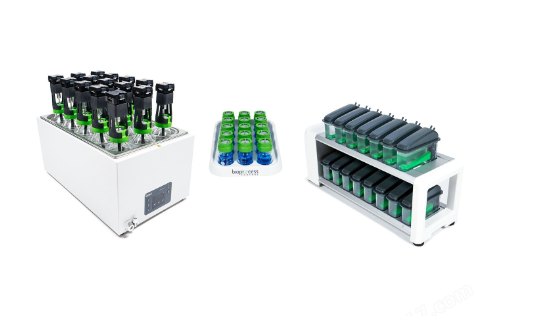
The plastic soil degradation tester can accurately monitor the degradation process of plastics in soil by simulating natural environmental conditions. It can record the physical and chemical changes of plastics in real time, such as the degree of plastic fragmentation, changes in chemical structure, and released degradation products. These data are of great significance for understanding the mechanism and rate of plastic degradation. Through long-term monitoring and analysis, researchers can evaluate the difficulty of degradation of different types of plastics under different soil conditions, providing scientific basis for the development of more easily degradable plastic materials.
In addition, the plastic soil degradation analyzer can also evaluate the potential impact of plastic degradation on soil ecosystems. For example, by monitoring changes in soil microbial communities, it is possible to understand whether plastic degradation has a negative impact on soil microbial activity and diversity. Meanwhile, by detecting changes in the content of chemical substances in the soil, the impact of plastic degradation products on soil fertility and plant growth can be evaluated. These pieces of information have important reference value for developing reasonable soil remediation strategies and environmental protection measures.
3、 The practical significance of promoting sustainable development
The practical significance of the plastic soil degradation tester is not only reflected in scientific research, but also in its role in promoting environmental protection and sustainable development. By accurately assessing the degradation of plastics in soil, scientific evidence can be provided for policy makers to develop more effective plastic pollution prevention and control policies. For example, based on the test results, it is possible to determine which plastic materials pose greater harm to the soil environment, thereby promoting the development and use of more environmentally friendly alternative materials by relevant enterprises.
Meanwhile, the plastic soil degradation analyzer also provides technical support for soil remediation work. By understanding the response mechanism of soil ecosystems during plastic degradation, more effective soil remediation technologies can be developed to accelerate the degradation process of plastics in soil and reduce the long-term impact of plastic pollution on soil ecosystems. This is of great significance for restoring soil health, improving soil fertility, and ensuring the safety of agricultural products.
4、 Summary
The plastic soil degradation tester, as an important environmental monitoring tool, provides strong support for studying the degradation process of plastics in soil and evaluating their impact on soil ecology. By accurately monitoring and analyzing various changes in the degradation process of plastics, researchers can better understand the potential harm of plastic pollution to soil ecosystems, and provide scientific basis for developing more environmentally friendly plastic materials and formulating effective environmental protection strategies.
