-
E-mail
market@ensoultech.com
-
Phone
13810615661
-
Address
Room 603, Block B, Langqin International Building, No. 168 Guang'anmen Outer Street, Xicheng District, Beijing
Beijing Yingsheng Hengtai Technology Co., Ltd
VELP Oil Oxidation Analyzer Helps Peanut Variety Breeding and Quality Control
Date: 2025-11-19Read: 57
Peanuts are a herbaceous plant rich in lipids, proteins, and amino acids, and are one of the widely cultivated crops worldwide. Its seeds are used to produce peanut oil and peanut butter, which are important sources of lipids in human diet and crucial for maintaining health.There are diverse peanut varieties grown globally, and their lipid composition also varies: some varieties have higher oleic acid content, while others have lower content. In recent years, with the increasing attention to healthy eating, the cultivation scale of high oleic acid peanuts has rapidly expanded. Research has confirmed that high oleic peanuts have excellent antioxidant properties and can alleviate diseases such as gastric damage, myocardial damage, and cardiovascular insulin resistance caused by oxidative stress.In this context, it is particularly important to scientifically evaluate the quality of different peanut varieties.
Peanut lipid structure and oxidative stability: OXITEST method for rapid and accurate detection
With the increasing attention to food safety issues, food quality analysis, especially the testing of functional health foods, has become a focus of industry attention. It is crucial to analyze the oil oxidation stability of different peanut varieties, as this characteristic directly affects the flavor, nutritional value, and shelf life of peanuts.
The research team of Sichuan University has conducted in-depth analysis and research on this. This study used the Velp Oil Oxidation Stability Analyzer OXITEST to explore the potential correlation between lipid structure and oxidation stability. This research has important guiding significance for the production, storage, variety selection, and economic benefits of oil crops. By simulating a high oxidative stress environment, OXITEST can quickly and accurately determine the oxidative stability of different peanut varieties without the need for pre separation of fat components. It can directly detect the complete sample to ensure more representative results.
The OXITEST oil oxidation stability analyzer can perform oxidation stability testing on intact food and oil samples according to the AOCS Cd-12c-16 international standard procedure. This device is connected to the OXISoft software on the computer, which can quickly measure the oxidative stability of different peanut varieties and generate key parameters such as induction period (IP) value, self oxidation rate and acceleration, and total oxygen consumption of the sample. The longer the induction period, the stronger the antioxidant stability.
Research has shown that the average IP value of high oleic acid peanuts is significantly higher than that of ordinary oleic acid peanuts. This result confirms that high oleic acid peanuts have better oxidative stability, leading to longer shelf life, broader application prospects, and higher economic value. It is worth noting that there are differences in oxidative stability among different high oleic acid varieties, and their application potential needs to be evaluated based on specific characteristics.
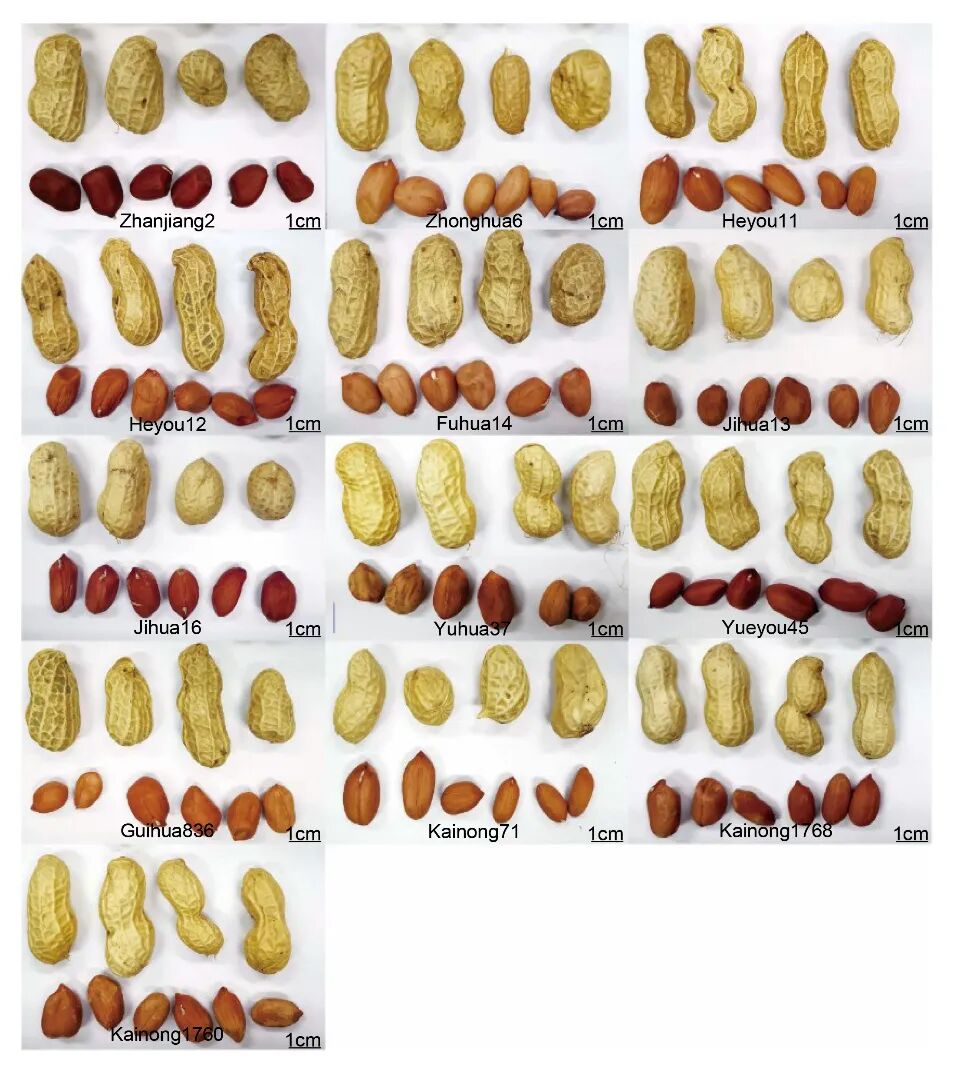
Peanut, as an important economic crop, the evaluation of its oil oxidation stability is of great significance for the quality control of raw materials and processed products. OXITEST analysis shows that there are significant differences in lipid oxidation stability among different peanut varieties, with high oleic acid varieties overall superior to low oleic acid varieties.