-
E-mail
ruixinjie01@163.com
-
Phone
18611697209
-
Address
B1-1514, Xinlong Building, No. 87 Building Materials City West Road, Changping District, Beijing
Beijing Ruixinjie Environmental Protection Technology Co., Ltd
The volatile organic compound detector can detect the concentration changes of VOCs in a short period of time
Date: 2025-12-03Read: 0
A volatile organic compound detector is an instrument used to determine the concentration of VOCs in air or other gases. VOCs include a series of volatile organic compounds such as formaldehyde, benzene, toluene, etc., which are commonly found in indoor and outdoor air pollution and may have adverse effects on human health. Therefore, VOCs detectors play an important role in environmental protection, occupational health, indoor air quality monitoring, and other fields.
Volatile organic compound detectorWorking principle:
1. Photoionization detection (PID): Using high-energy ultraviolet radiation to irradiate gas samples, ionizing VOCs molecules, and quantitatively analyzing the concentration of VOCs by measuring the generated current.
2. Metal oxide semiconductor (MOS) sensors: Certain metal oxides react with VOCs at specific temperatures, causing a change in resistance. The concentration of VOCs is detected by measuring the change in resistance.
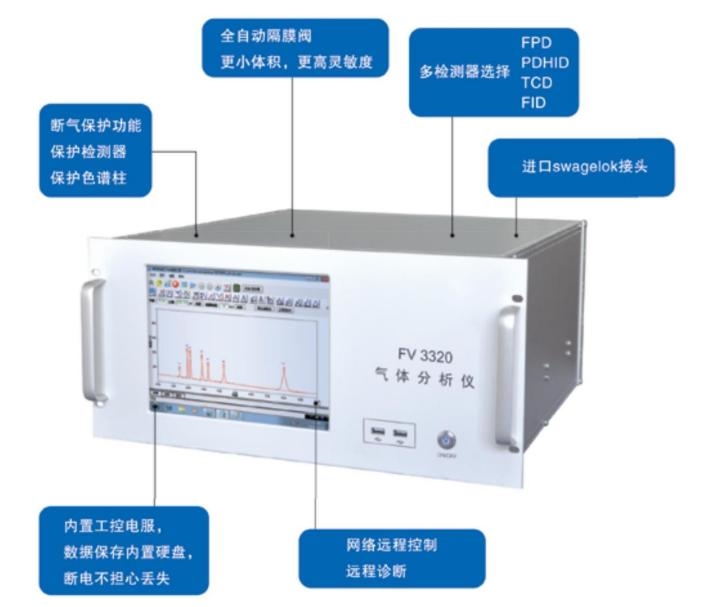
3. Gas chromatography-mass spectrometry (GC-MS): By combining gas chromatography and mass spectrometry techniques, VOCs components and concentrations in gas samples can be accurately separated and identified.
Application fields:
1. Environmental monitoring: used for outdoor air quality monitoring, evaluating the impact of industrial and transportation emissions on the environment.
2. Occupational health: Monitor the concentration of VOCs in the working environment in industries such as chemical and petroleum to protect the health of employees.
3. Indoor air quality: Used for air quality control in residential, office, and other buildings, especially after decoration and the purchase of new furniture.
Performance characteristics:
1. Quick response: able to detect changes in VOCs concentration in a short period of time.
2. Portability: The portable VOCs detector is convenient for on-site use.
3. User friendly: The interface is intuitive, easy to operate, and suitable for non professionals to use.
Operation and maintenance of volatile organic compound detector:
1. Regular calibration: Ensure the accuracy and linearity of the instrument, and perform regular calibration.
2. Cleaning and maintenance: Regularly clean the instrument, especially the sensor part, to avoid contamination that affects performance.
3. Software updates: Regularly update the software to obtain the latest features and improvements.