-
E-mail
ruixinjie01@163.com
-
Phone
18611697209
-
Address
B1-1514, Xinlong Building, No. 87 Building Materials City West Road, Changping District, Beijing
Beijing Ruixinjie Environmental Protection Technology Co., Ltd
Lifecycle Management of Passivation Pressure Reducing Valves
Date: 2025-10-16Read: 1
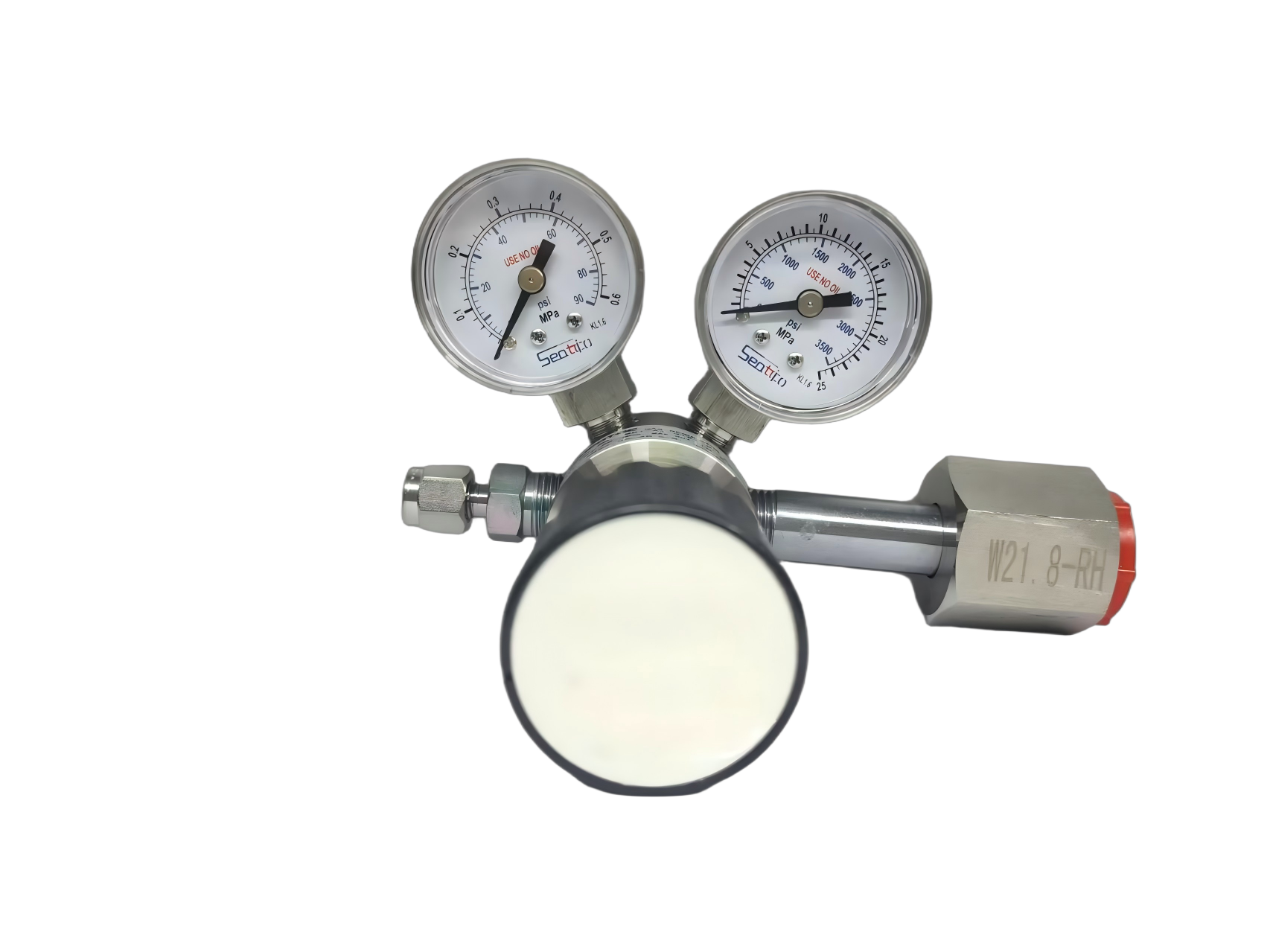
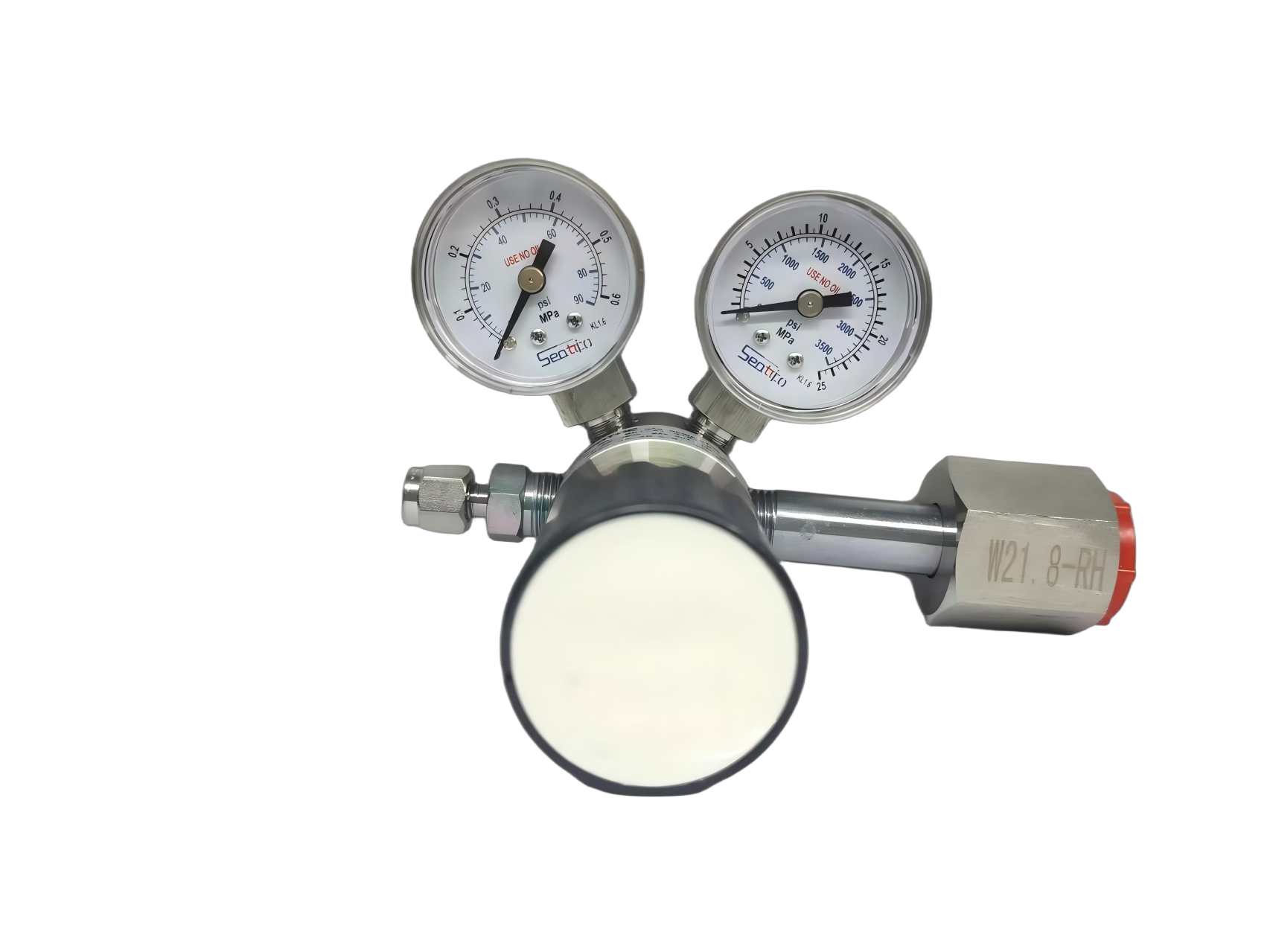
Passivation pressure reducing valveThe lifecycle management should revolve around the two core objectives of "preventing corrosion failure" and "ensuring medium purity", covering the entire stage from selection and procurement to disposal. The lack of control in each link may lead to medium pollution or pressure relief function failure.
1、 Selection and Procurement: Starting Point Control of Life Cycle
1. Material matching red line: Select the corresponding passivation material based on the characteristics of the medium (such as strong acid, high-purity gas). For example, 316L stainless steel passivation parts must comply with ASTM A262 standard to avoid early corrosion caused by insufficient corrosion resistance of the material.
2. Supplier qualification review: Priority should be given to manufacturers with passivation process certification (such as ISO 15730), and it is required to provide passivation testing reports (including surface roughness and passivation film thickness data) to prevent the purchase of unqualified and inferior products.
2、 Installation and Debugging: Avoid Initial Damage
1. Installation protection: Before installation, check whether there are scratches or oil stains on the passivated surface, and prohibit using non specialized tools to strike the valve components; When connecting pipelines, use double sleeve joints to avoid contamination of the passivation layer by thread sealant.
2. Debugging specifications: Before the first round of ventilation, blow the pipeline with inert gas (such as nitrogen), slowly increase the pressure to 50% of the rated pressure, hold the pressure for 30 minutes without leakage, and then adjust it to the working pressure to prevent instantaneous high pressure from damaging the passivation film.
3、 Daily operation: Dynamic maintenance during critical periods
1. Regular inspection: Check daily whether the pressure display is stable and whether there is any medium leakage; Wipe the valve body with a clean cloth every week and prohibit the use of corrosive cleaning agents; Record the fluctuation value of import and export pressure every month, and stop the machine for inspection if the rated pressure exceeds ± 5%.
2. Media compatibility control: It is strictly prohibited to switch to non design compatible media (such as pressure reducing valves originally used for hydrochloric acid cannot be used for nitric acid) to avoid corrosion caused by reactions between different media and passivation films.
4、 Maintenance and Calibration: Extending the Lifecycle Core
1. Maintenance cycle: Disassemble the valve core and seat every 3 months, rinse with ultrapure water, and check the integrity of the passivation layer. If local corrosion occurs, re passivation treatment is required; Perform pressure reduction accuracy calibration every 6 months, and adjust or replace components if the deviation exceeds ± 2%.
2. Passivation repair requirements: Electrochemical passivation or chemical passivation (such as nitric acid passivation) should be used for re passivation. After treatment, the corrosion resistance of the passivation film should be tested (such as no corrosion after 48 hours of salt spray testing), and it can only be reused after passing the test.
5、 Scrap and Disposal: Safe Closing
1. Scrap judgment criteria: The following situations must be scrapped: extensive detachment of passivation layer, cracking of valve body, inability to calibrate pressure reduction accuracy to the qualified range, and a service life exceeding 8 years (even if the appearance is intact).
2. Disposal standards: Before scrapping, the pressure must be released to normal pressure. After dismantling, the residual medium should be cleaned with neutral solution and stored in a classified manner for professional institutions to recycle. It is prohibited to mix with ordinary metal waste to avoid polluting the environment.