-
E-mail
ruixinjie01@163.com
-
Phone
18611697209
-
Address
B1-1514, Xinlong Building, No. 87 Building Materials City West Road, Changping District, Beijing
Beijing Ruixinjie Environmental Protection Technology Co., Ltd
How much do you know about the structural characteristics of volatile organic compound detectors?
Date: 2025-11-12Read: 1
Volatile organic compound detectorIt is an instrument specifically designed for detecting and monitoring volatile organic compounds (VOCs) in the environment. It plays an important role in environmental protection, industrial safety, indoor air quality monitoring, and other fields.
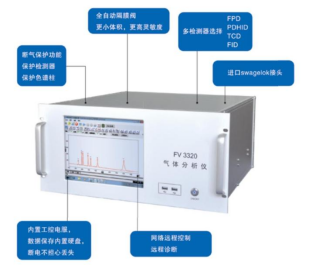
Volatile organic compound detectorStructural characteristics:
1. High sensitivity sensor: Adopt sensors that are sensitive to VOCs, such as PID (photoionization) sensors.
2. Portable design: It is usually designed to be portable and convenient for on-site use.
3. Continuous monitoring: capable of real-time and continuous monitoring.
4. Data recording: Built in data recording function for easy subsequent analysis.
5. Easy to operate: The user interface is user-friendly and the operation is simple.
Working Principle:
1. Sampling: Air samples are drawn into the instrument through built-in or external pumps.
2. Detection: VOCs in the sample are detected in the sensor and converted into electrical signals.
3. Signal processing: Electrical signals are processed and converted into concentration values of VOCs.
4. Display and recording: The concentration value is displayed on the screen and recorded.
5. Alarm: When the concentration of VOCs exceeds the preset threshold, the instrument will sound an alarm.
Operation and maintenance:
1. Pre start check: Check the battery level and sensor status of the instrument.
2. Regular calibration: Perform regular calibration according to the manufacturer's recommendations.
3. Cleaning and maintenance: Regularly clean the sensors and other parts of the instrument.
4. Data management: Regularly download and backup data.
5. Troubleshooting: Perform basic troubleshooting according to the manual.
Precautions for volatile organic compound detector:
1. Environmental adaptability: Ensure that the instrument is suitable for specific environmental conditions.
2. Legal use: Comply with relevant laws and regulations and use the detector legally.
3. Avoid pollution: Before and after measurement, avoid the instrument from coming into contact with high concentrations of VOCs.
4. Professional training: Operators should receive professional training and be familiar with instrument operation.
5. Safe storage: Store the instrument in a dry and clean environment when not in use.