-
E-mail
sales@opton.com.cn
-
Phone
13126536208
-
Address
Oubotong Group, Building 2, No. 1100 Huihe South Street, Chaoyang District, Beijing
Beijing Obotong Optical Technology Co., Ltd
Application of Environmental Scanning Tungsten Filament Electron Microscopy in Materials Science
Date: 2025-12-09Read: 1
Environmental scanning tungsten filament electron microscopy is an advanced electron microscopy technique that can observe the surface morphology and microstructure of materials under conditions close to conventional environmental conditions. It combines the advantages of scanning electron microscopy and environmental condition control, enabling non-destructive testing of material samples without the need for complex sample pretreatment. Tungsten filament, as the emission source of electron guns, has the advantages of good stability and long lifespan, and therefore has been widely used in materials science.
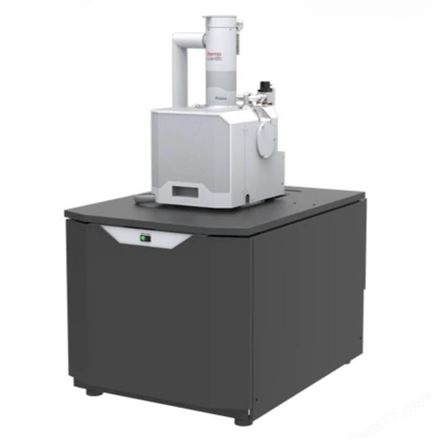
Environmental scanning tungsten filament electron microscopeThe applications in materials science include the following aspects:
1. Surface morphology analysis of nanomaterials
It is capable of high-resolution observation of nanomaterials, revealing their surface morphology and microstructure. Nanomaterials, due to their small size and significant surface effects, are prone to hydration, oxidation, and other reactions in traditional high vacuum environments. However, they can be characterized in normal temperature and humidity environments, avoiding sample contamination and changes in traditional methods. Therefore, it has played an important role in the research of surface morphology, particle size distribution, and inter particle interactions of nanomaterials.
2. Analysis of Material Corrosion and Oxidation Behavior
During the corrosion and oxidation processes, the microstructure of the material surface undergoes changes, and traditional scanning electron microscopy can easily affect the corrosion process of the sample surface in high vacuum environments. And it can directly observe the corrosion process in a low-pressure environment, avoiding the influence of changes in the sample environment on the analysis results. For example, it can be used to study the growth, corrosion behavior, and mechanisms of oxide films on metal materials under different environmental conditions, revealing the dynamic process of material corrosion.
3. Research on Biomaterials and Biological Samples
The observation of biological samples usually requires maintaining their moisture and original state. Traditional scanning electron microscopy requires dehydration of the sample and metal spraying, which can cause changes in the structure of the biological sample and affect the observation results. Environmental scanning tungsten filament electron microscopy can directly observe biological materials in a hydrated state due to its ability to operate in high humidity environments. In addition, significant advantages have been demonstrated in the microstructure analysis of biomaterials, which can effectively reveal the tissue characteristics of biomaterials and provide reference for biomedicine and tissue engineering.
4. Research on the Interface of Polymer Materials
The interface structure of polymer materials has a significant impact on their mechanical, thermal, and chemical properties. By using, the surface morphology and interface structure of polymers can be observed in detail. For example, being able to clearly display the micro cracks, phase separation phenomena, and dispersion state of fillers in polymers is of great significance for developing high-performance composite materials and studying the aging process of polymers.
5. Surface analysis of catalysts
The active sites of catalysts are usually located on the surface, and it is possible to study the surface morphology, pore structure, and distribution of active sites by observing the surface structure of the catalyst. For example, E can be used to study the surface morphology changes of platinum based catalysts under different reaction conditions, understand the deactivation mechanism of catalysts, and optimize catalyst design to improve their performance.
The application of environmental scanning tungsten filament electron microscopy in materials science is of great significance. It not only overcomes the limitations of traditional scanning electron microscopy, but also enables high-resolution observation of materials under conventional environmental conditions. It provides powerful analytical capabilities in nanomaterials, corrosion behavior, biomaterials, polymer research, and surface analysis of catalysts.