-
E-mail
titan_market@bjjitian.com
-
Phone
18910230180
-
Address
Jiuxianqiao East Road, Chaoyang District, Beijing
Beijing Jitian Instrument Co., Ltd
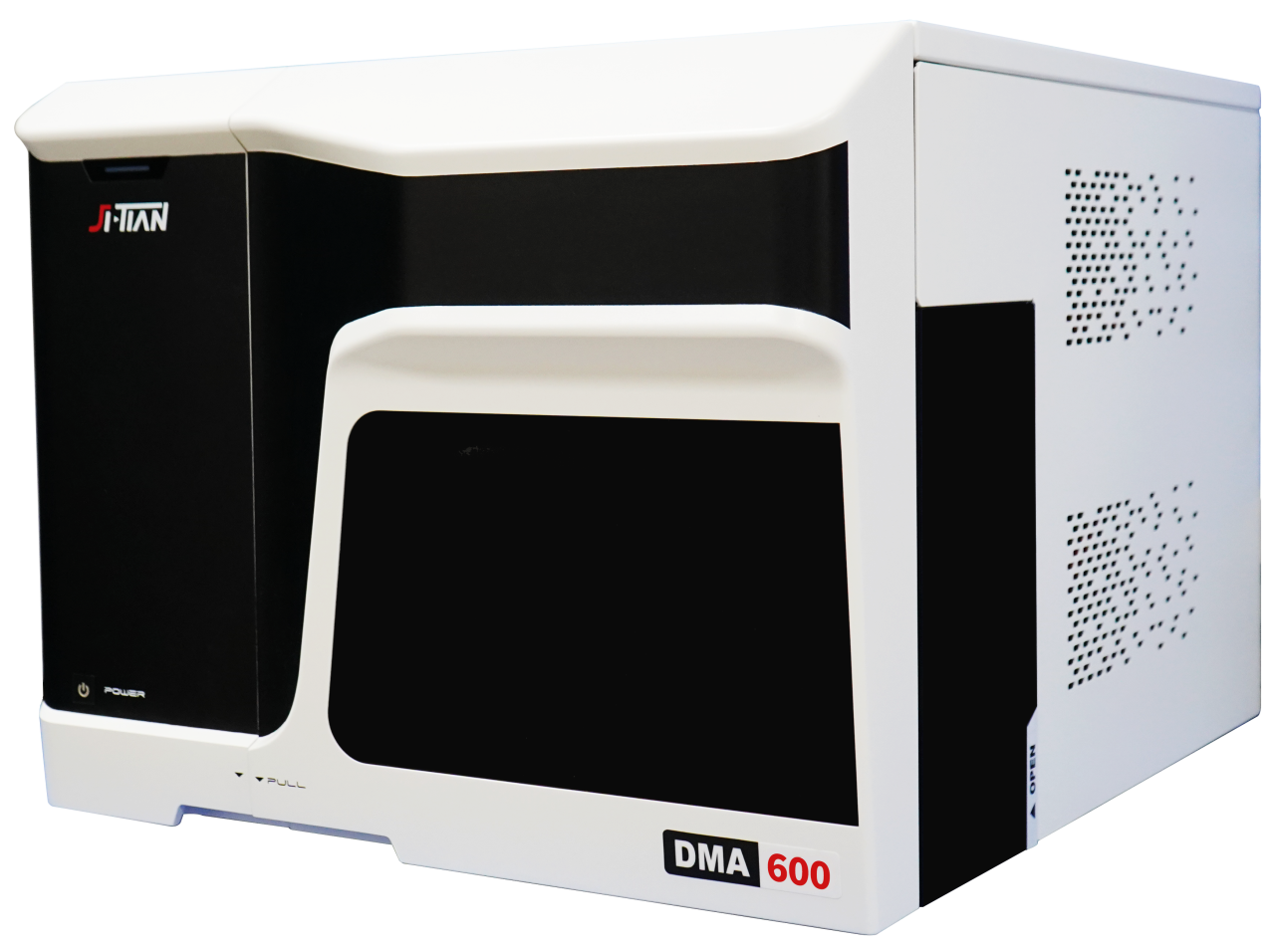
Beijing Jitian Instrument DMA-600 direct injection mercury analyzer for detecting mercury content in milk
Date: 2025-12-10Read: 0
Mercury (Hg) is a substance with significant neurotoxicity andbioaccumulationGlobal environmental pollutants. It can be released into the environment through natural processes (such as volcanic eruptions) and human activities (such as fossil fuel combustion, industrial emissions, mining, etc.), and then transported and deposited into water bodies and soil through the atmosphere, ultimately entering the food chain. In anaerobic environments, inorganic mercury can be converted by microorganisms into more toxic and easily absorbed and accumulated substances by living organismsMethylmercury(MeHg)。
Milk, as an important basic food, especially one of the main sources of nutrition for infants, children, and special populations, its safety is crucial. However, cows may be exposed to mercury pollution through ingestion of contaminated feed, water, or air, resulting in residual mercury (especially methylmercury) in their milk. Even trace amounts of mercury, long-term intake may pose potential risks to human health, affecting neurological development (especially in fetuses and infants), kidney function, and immune system.
Therefore, establishing accurate, sensitive, and reliable analytical methods for monitoring mercury content in milk and its products is a key step in ensuring food safety, assessing population exposure risks, fulfilling regulatory responsibilities, and conducting scientific research. This article uses a direct injection mercury analyzer to detect the mercury content in milk samples. This method has the advantages of easy operation, good stability, and no need for pre-treatment.

1. Precision
The precision of milk samples and milk spiked samples was measured, and low, medium, and high concentration levels of spiked experiments were conducted on milk samples. The spiked amounts were 0.3 μ g/L, 1 μ g/L, and 4 μ g/L, respectively. Each concentration level was continuously injected 6 times for measurement, with each injection volume of 100 μ L. The precision was within the range of 1.56% -2.73%. The results are detailed in Table 2.
Table 2 Precision Test Results
2spiked recoverytest
Conduct spiked experiments on milk samples at low, medium, and high concentration levels, with spiked concentrations of 0.3 μ g/L, 1 μ g/L, and 4 μ g/L, respectively. Each concentration level was tested by continuous injection of 100 μ L each time. The spiked recovery rate ranged from 90.7% to 101%, as shown in Table 3.
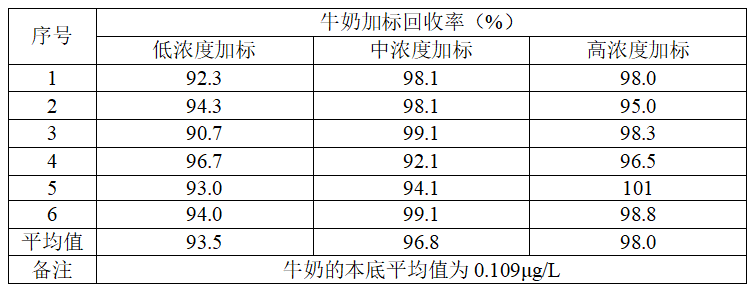
Table 3 Results of spiked recycling test
3. Standard curve
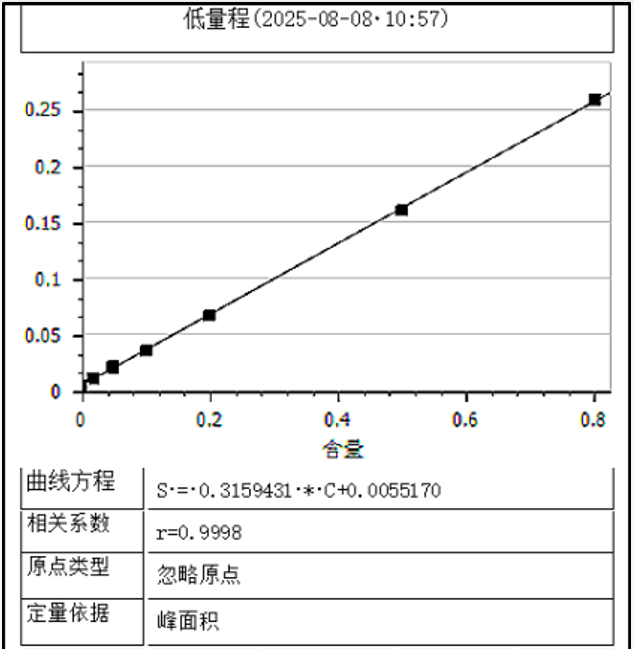
Figure 1: Standard Curve Line Chart
The test results show that the direct injection mercury analyzer DMA-600 from Beijing Jitian Instrument Co., Ltd. can effectively determine the mercury content in milk, with a linear relationship greater than 0.999; The precision ranges from 1.56% to 2.73%; The recovery rate of spiked samples ranges from 90.7% to 101%.