-
E-mail
wdh@jxzdkz.com
-
Phone
18601982354
-
Address
No. 2 Jingyuan North Street, Beijing Economic Development Zone
Beijing Jingxiang Environmental Technology Co., Ltd
What is the importance of calibration and maintenance of fecal coliform analyzer?
Date: 2025-09-11Read: 0
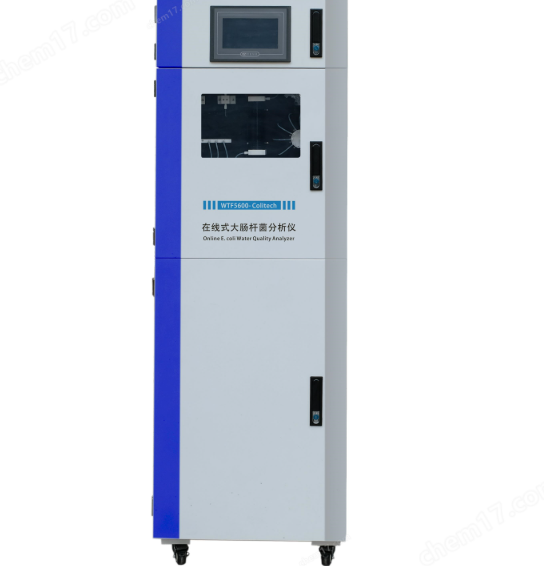
The fecal coliform analyzer is a key equipment used to detect the number of fecal coliforms in water samples. The importance of calibration and maintenance lies in ensuring the accuracy of the detection results, ensuring public health and safety, extending the service life of the equipment, and meeting regulatory and standard requirements. The following is a detailed introduction:
Ensure the accuracy of the test results
-The function of calibration:Fecal coliform analyzerThe quantity of fecal coliforms in water samples is determined by specific detection principles, such as multi tube fermentation method, membrane filtration method corresponding to electrochemical or optical detection principles. Calibration is to set the correct measurement benchmark for the instrument, so that its detection results can truly reflect the actual content of fecal coliforms in the water sample. For example, when using an analyzer based on the principle of multi tube fermentation, calibration can ensure accurate determination of the amount of gas or metabolic products produced by different degrees of fermentation, thereby obtaining an accurate number of microbial communities.
-The impact of maintenance: Regular maintenance can ensure that all components of the instrument are in good working condition. If the optical sensor of the instrument accumulates dust or ages, it will lead to inaccurate reception of optical signals, resulting in deviation in the detection results. By taking maintenance measures such as cleaning sensors and replacing aging components, such problems can be avoided and the reliability of detection data can be ensured.
Ensure public health and safety
-Timely warning: Accurately detecting the number of fecal coliforms in water samples is crucial for assessing the degree of water pollution and public health risks. The increase in the number of fecal coliforms, as indicator bacteria of fecal pollution, often indicates that water bodies may be contaminated with human or animal feces, posing a risk of spreading intestinal infectious diseases. If the analyzer is not calibrated and maintained correctly, the test results may be inaccurate, which may lead to misjudgment of the pollution situation and prevent timely warning, thereby threatening public health.
-Guiding prevention and control measures: Accurate detection results can provide a basis for the health department to formulate scientific and reasonable prevention and control measures. For example, determining the treatment method and degree of contaminated water sources based on the test results to ensure the safety of drinking water. If the instrument detection results have significant deviations, it may lead to excessive or insufficient prevention and control measures, making it difficult to effectively control public health risks.
Extend the service life of equipment
-Fault prevention: Regular maintenance work includes cleaning, inspecting, and debugging instruments to promptly identify and resolve potential problems, preventing small faults from developing into major ones. For example, checking whether the circuit connections of the instrument are loose to avoid short circuits or other electrical faults caused by poor contact; Clean the injection system of the instrument to prevent sample residue from blocking the pipeline and affecting the normal operation of the instrument.
-Reasonable use: Proper calibration and usage methods can prevent the instrument from being damaged due to excessive use or improper operation. For example, setting detection parameters according to the operating procedures of the instrument to avoid excessive wear of instrument components caused by improper parameter settings. By reasonable use and maintenance, the service life of the instrument can be extended and the cost of equipment replacement can be reduced.
Meet regulatory and standard requirements
-Compliance testing: In many countries and regions, there are strict regulations and standard requirements for water quality testing, among which the detection of fecal coliforms is an important indicator. Using properly calibrated and maintained analyzers for testing can ensure that the test results comply with regulations and standards, avoiding legal risks caused by inaccurate test results.
-Data recognition: Accurate detection data is the foundation for obtaining recognition from relevant departments and institutions. Whether used for environmental monitoring reports, water quality assessment reports, or other related documents, only data based on accurate detection results has credibility and persuasiveness. A well calibrated and maintained analyzer can provide reliable detection data, providing strong support for the development of various tasks.