-
E-mail
86@511718.com
-
Phone
13261731718
-
Address
Celebrity Future Building
Beijing Huayi Tongtai Environmental Protection Technology Co., Ltd
How to choose a suitable ozone detector for environmental monitoring
Date: 2025-11-07Read: 0
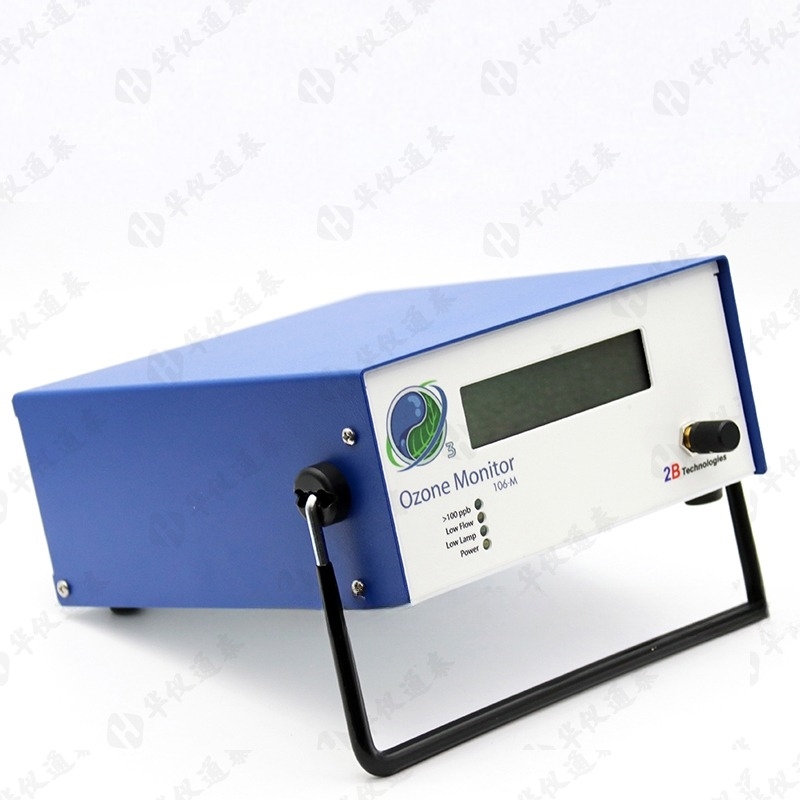
Ozone is an important oxidizing gas that is widely present in the atmosphere. Ozone plays a role in protecting the Earth from ultraviolet radiation in the upper atmosphere, but in the lower atmosphere, it can cause serious harm to human health, plants, and the environment. Therefore, as a tool for monitoring ozone concentration in the air, ozone detectors are crucial for environmental protection and public health. When making a choice, multiple factors need to be considered, and the following are the appropriate choicesOzone detectorSome key elements.
1、 Detection principle
When making a choice, the first step is to understand its usage environment and monitoring requirements, and choose the appropriate principle. For example, if high-precision laboratory or industrial applications are required, ultraviolet absorption method may be a better choice. If it is for daily environmental monitoring or portable use, electrochemical detection instruments may be more practical.
2、 Detection range and accuracy
When choosing, attention should be paid to its detection range and accuracy. Different application scenarios have different requirements for ozone concentration:
1. Detection range: In certain special environments (such as industrial pollution areas or laboratories), it may be necessary to detect high concentrations of ozone. Therefore, when choosing, it is necessary to ensure that its detection range can meet the specific application needs.
2. Accuracy: Accuracy is crucial for its selection. For precise environmental monitoring, high-precision equipment can ensure the provision of accurate data and help develop reasonable governance measures. When choosing, one should consider whether the accuracy can meet the actual needs.
3、 Response time and stability
Response time and stability are two other key indicators of ozone detectors. The response time determines the reaction speed of the device to changes in ozone concentration, while stability determines the measurement stability and reliability of the device during long-term use. Short response time usually means that the device can react more quickly to fluctuations in ozone concentration in the environment, which is particularly important in dynamic monitoring.
4、 Portability and ease of operation of the device
For many application scenarios that require frequent movement, such as outdoor environmental monitoring, agricultural planting, industrial safety monitoring, etc., portability is a key factor to consider when choosing. The equipment should be designed to be lightweight and easy to carry, preferably equipped with a simple display interface for quick on-site data reading.
5、 Maintenance and Calibration
All testing instruments require regular calibration and maintenance. When choosing, consideration should be given to whether the equipment is easy to calibrate and maintain. High quality equipment usually provides manufacturer support, regular calibration or replacement of sensors to ensure that the equipment always maintains high accuracy. In addition, the sensor lifespan and replaceability of the device are also important considerations when choosing.
6、 Durability and environmental adaptability
When making a choice, one should also consider its adaptability in different environments. Some working environments with high temperature, high humidity, a lot of dust, or the presence of corrosive gases have put forward higher requirements for equipment. When selecting, it should be ensured that the housing material, sensor design, and protection level (such as IP protection level) can meet the requirements of the working environment.
Choosing a suitable ozone detector requires comprehensive consideration of various factors such as detection principle, detection range, accuracy, response time, portability, maintenance and calibration, durability, and price. According to actual application needs, selecting suitable equipment will effectively improve the efficiency and accuracy of environmental monitoring, thereby ensuring people's health and environmental safety.