-
E-mail
yydn2004@163.com
-
Phone
13691352434
-
Address
Room 803, Tower 1, Xiaoxitianzhiqiang South Park, Haidian District, Beijing
Beijing Friendship Danno Technology Co., Ltd
The working principle and characteristics of atomic absorption graphite tubes are as follows
Date: 2025-11-17Read: 59
Atomic absorption graphite tube (usually referred to as graphite furnace) is a heating device used in atomic absorption spectroscopy (AAS) analysis. It is mainly used to improve the detection sensitivity of metal elements in samples, especially when analyzing low concentrations of metal elements. Graphite tube is a very important component of atomic absorption spectrometer, especially playing a crucial role when using graphite furnace atomic absorption spectroscopy (GFAAS).
Working principle of atomic absorption graphite tube
In atomic absorption spectroscopy (AAS) technology, the atomization process is crucial. Elements in the sample are first atomized into free atoms, which then absorb light of specific wavelengths, allowing for the determination of element concentrations. The function of atomic absorption graphite tubes is to rapidly heat the metal elements in the sample at high temperatures and convert them into free atoms. The heating process of graphite tubes is carried out through the following steps:
1. Sample introduction and evaporation:
The sample solution is injected into a graphite tube through an injector, and the graphite tube is first heated to a lower temperature (usually around 200 ° C-300 ° C) to evaporate the solvent, leaving trace amounts of metal elements.
2. Atomization:
As the temperature gradually increases, the graphite tube will reach a higher temperature (usually 1500 ° C to 3000 ° C), causing the metal elements in the sample to completely atomize at this temperature, that is, converting the metal elements into individual free atoms.
3. Absorption spectrum:
When the metal atoms in the sample are heated inside the graphite tube and form gas-phase atoms, these atoms absorb light of specific wavelengths. The light source is usually a hollow cathode lamp corresponding to the element, emitting light of a specific wavelength. Metal atoms absorb this light and produce an absorbance signal.
4. Signal detection and analysis:
These absorbance signals are collected and converted into electrical signals by the detection system of the spectrometer (usually a photomultiplier tube or other type of detector), and the concentration of metal elements in the sample is obtained by comparing the absorbance of the known concentration sample with that of the sample to be tested.
Characteristics of Atomic Absorption Graphite Tube
1. High temperature heating capacity:
Graphite tubes can provide high temperatures (usually above 3000 ° C) to fully atomize the elements in the sample. This is particularly important for analyzing trace elements as it can effectively improve detection sensitivity.
2. Small sample size:
The graphite tube atomic absorption spectrometer is capable of processing extremely small volumes of samples (usually a few microliters), which is crucial for analyzing rare or valuable objects.
3. Improve sensitivity and accuracy:
Due to the precise control and high temperature of graphite tube heating, it can effectively improve the sensitivity and accuracy of analysis, especially suitable for trace analysis, even extremely low concentrations of elements can be detected.
4. Wide applicability:
Graphite tubes can adapt to various sample types, including liquids, solids, and gases. It is widely used in various fields such as environmental monitoring, food safety, clinical analysis, mineral analysis, etc.
5. Low background interference:
Graphite tubes can reduce background interference and improve signal clarity and accuracy through multi-stage heating programs such as drying, sintering, atomization, etc. during use.
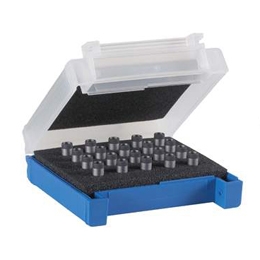
Structure and Material of Atomic Absorption Graphite Tube
1. Structure:
Graphite tubes are usually slender tubes that look like small furnace tubes. Its interior is usually hollow, used to accommodate samples. One end of the graphite tube is usually connected to the gas circulation system and power supply system, used to control the atmosphere and heating temperature.
2. Material:
The main material of graphite tube is high-purity graphite. Graphite material has excellent thermal conductivity and chemical stability, allowing it to withstand high temperatures and work stably at high temperatures. At the same time, the surface of the graphite tube is finely processed and coated to improve its durability and thermal stability.
Operation and Maintenance
1. Heating program:
The heating process of graphite tubes is usually divided into several stages: drying, combustion, ashing, atomization, etc. The heating temperature and time of each stage need to be precisely controlled to ensure the atomization efficiency of the sample and reduce interference.
2. Temperature control:
The temperature control of graphite tubes is very precise, usually controlled by automated programs, which can adjust the heating program according to different elements and sample properties.
3. Maintenance and replacement:
The lifespan of graphite tubes is limited. Usually, after using a certain number of samples, the surface of graphite tubes will experience wear and tear, which affects the heating effect and analysis accuracy. Regularly inspect the surface, cracks, and aging degree of graphite tubes, and replace them as needed.
4. Cleaning:
To ensure the normal operation of graphite tubes and reduce cross contamination, they should be cleaned promptly after use. Cleaning usually uses chemical cleaning agents or ultrasonic cleaning equipment to ensure that there are no residues inside the pipeline.
Application of Graphite Tube
1. Environmental monitoring:
Used for the detection of heavy metal elements (such as lead, mercury, cadmium, arsenic, etc.) in water quality, air, and soil samples.
2. Food safety:
Detecting trace metal elements (such as lead, cadmium, copper, zinc, etc.) in food to ensure food safety.
3. Clinical analysis:
Used for the analysis of trace elements in human biological samples (such as blood, urine, etc.) to help diagnose various diseases.
4. Mineral analysis:
Detect the content of metal elements in ores for quality control and mineral resource analysis.
5. Chemical analysis and research:
Used in various chemical research, especially in situations where high-sensitivity element analysis is required.
Atomic absorption graphite tube is a key component in atomic absorption spectrometer, mainly used to atomize elements in the sample by high-temperature heating, improving the sensitivity and accuracy of element detection. Its high-temperature heating performance, precise temperature control system, wide range of applications, and high sensitivity make it an ideal tool for analyzing trace metal elements.