-
E-mail
inf@chengtian.com
-
Phone
13401072705
-
Address
C902 Jiahua Building, No.9 Shangdi Third Street, Haidian District, Beijing
Beijing Chengtian Shiyou Technology Co., Ltd
What pollutants can be detected by AUTO exhaust analyzer?
Date: 2025-08-21Read: 2
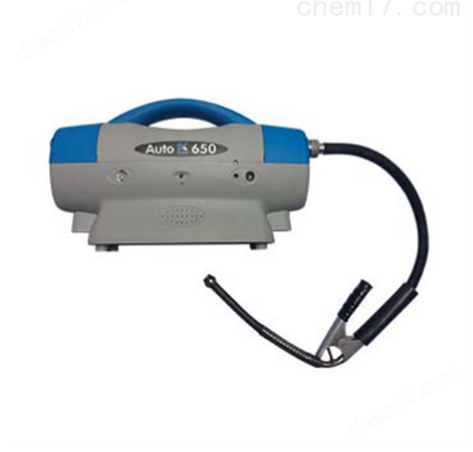
With the continuous increase in the number of cars, the pollution caused by car exhaust to the environment has received increasing attention. As an important detection tool, AUTO exhaust analyzer can effectively monitor various pollutants in automobile exhaust, providing important basis for environmental protection and automobile maintenance.
Common pollutant detection
The AUTO exhaust analyzer can detect various common exhaust pollutants. Among them, carbon monoxide (CO) is a product of incomplete combustion in engines, and its high concentration can pose a threat to human health. Hydrocarbons (HC) are also an important component of exhaust gases, which not only have a negative impact on air quality, but may also react with other pollutants to produce harmful substances. Nitrogen oxides (NOx) are mainly composed of nitric oxide (NO) and nitrogen dioxide (NO?), and are the main precursors for the formation of acid rain and photochemical smog. In addition, the detection of oxygen (O?) content is also very important, as it can help analyze the combustion efficiency of the engine.
Other pollutant detection
In addition to the common pollutants mentioned above, some advanced AUTO exhaust analyzers can also detect other harmful substances. For example, some instruments can detect particulate matter (PM), which can penetrate deep into the human respiratory system and pose a serious threat to human health. In addition, some high-precision analyzers can also detect other pollutants such as sulfur dioxide (SO2) and ammonia (NH3). Although these pollutants have relatively low levels in exhaust, their potential harm to the environment and human health cannot be ignored.
Testing Technology and Principles
The AUTO exhaust analyzer uses multiple detection techniques to measure different pollutants. Non dispersive infrared technology (NDIR) is a commonly used method for detecting CO and CO2, which utilizes the absorption characteristics of gas molecules towards specific wavelengths of infrared light to measure gas concentration. Electrochemical sensors are commonly used to measure O2 and NOx, which generate current through the chemical reaction between gas and electrolyte solution to determine gas concentration. The flame ionization detector (FID) is used to detect HC. Its principle is to mix exhaust gas samples with hydrogen gas for combustion, and the ionization current generated is proportional to the concentration of HC.
The Importance of Testing
By using AUTO exhaust analyzer to detect pollutants in car exhaust, it can not only help environmental protection departments monitor whether vehicle emissions meet standards, but also provide a basis for diagnosing engine faults for car maintenance personnel. For example, if a high concentration of CO is detected, it may indicate that the engine has incomplete combustion and needs to be adjusted and repaired in a timely manner. In addition, regular monitoring of exhaust emissions can also help car owners understand the operating conditions of their vehicles, take timely measures to reduce pollutant emissions, and contribute to environmental protection.
In short, the AUTO exhaust analyzer plays an important role in environmental protection and automotive maintenance. It can detect various exhaust pollutants, provide accurate data support for relevant institutions and personnel, help reduce the pollution of automobile exhaust to the environment, and protect human health. With the continuous advancement of technology, future exhaust gas analyzers will have higher detection accuracy and a wider detection range, providing stronger support for environmental protection.