-
E-mail
haohuakun@163.com
-
Phone
13811623275
-
Address
6038, 6040, 6042, Building 3, China Agricultural University International Entrepreneurship Park, No. 10 Tianxiu Road, Haidian District, Beijing
Beijing BoPu Te Technology Co., Ltd
The role of soil nutrient measurement analyzer in smart agriculture: assisting in on-demand fertilization, improving crop yield and soil fertility
Date: 2025-10-23Read: 0
With the continuous advancement of technology, smart agriculture has gradually become a new trend in the development of modern agriculture. Soil nutrient measurement analyzer, as an important agricultural testing tool, can play a key role in smart agriculture. By accurately measuring the nutrient content in the soil, it provides scientific basis for on-demand fertilization, thereby improving crop yield and soil fertility.
1、 The demand for soil nutrient management in smart agriculture
Smart agriculture emphasizes the use of modern technology to achieve precision, efficiency, and sustainability in agricultural production. Soil nutrient management is an important part of smart agriculture. Reasonable fertilization can not only increase crop yield, but also reduce fertilizer waste and environmental pollution. However, traditional fertilization methods often lack scientific basis, leading to excessive or insufficient fertilization, which affects crop growth and soil health.
2、 Function
Capable of quickly and accurately measuring various nutrient contents in soil, including nitrogen, phosphorus, potassium, organic matter, trace elements, etc. Through these data, farmers can understand the actual nutrient status of the soil and develop scientifically reasonable fertilization plans.
Apply fertilizer as needed
The soil nutrient measurement analyzer provides a scientific basis for on-demand fertilization. By measuring the nutrient content in the soil, farmers can accurately understand which nutrients are lacking in the soil and apply targeted fertilizers or organic fertilizers accordingly. Fertilization on demand can not only improve the utilization rate of fertilizers, but also reduce environmental pollution caused by excessive fertilization.
Increase crop yield
A reasonable fertilization plan can meet the nutrients required for crop growth, promote healthy crop growth, and thus increase crop yield. The soil nutrient measurement analyzer accurately measures soil nutrients to help farmers optimize fertilization plans and ensure sufficient nutrient supply for crops during their growth process.
Improve soil fertility
Long term unreasonable fertilization may lead to a decrease in soil fertility and affect the ecological balance of the soil. Soil nutrient measuring instruments can help farmers detect changes in soil fertility in a timely manner, improve soil structure through scientific fertilization, increase soil organic matter content, enhance soil water and fertilizer retention capacity, and thus improve soil fertility.
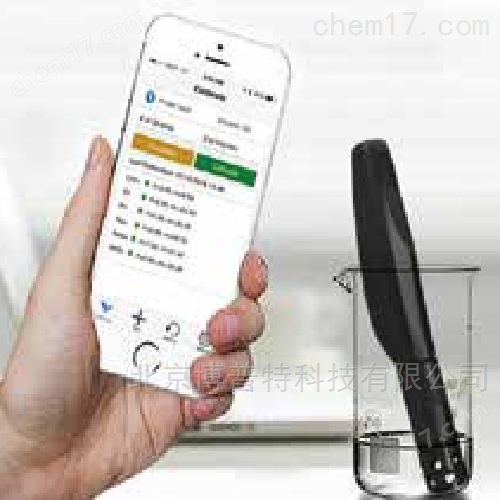
3、 Application of Soil Nutrient Measurement Analyzer in Smart Agriculture
precision agriculture
In precision agriculture, soil nutrient measuring instruments can be combined with geographic information systems (GIS) and global positioning systems (GPS) to achieve accurate measurement of soil nutrients and precise positioning of fertilization recommendations. Through this method, farmers can develop personalized fertilization plans based on the soil nutrient status of different plots, thereby improving agricultural production efficiency.
Intelligent Fertilization System
It can be integrated with intelligent fertilization systems to achieve automated fertilization management. By monitoring changes in soil nutrients in real-time, the intelligent fertilization system can automatically adjust the amount and timing of fertilization based on measurement data, ensuring that crops always receive appropriate nutrient supply during their growth process.
Soil health monitoring
Regular monitoring of changes in soil nutrients can help farmers detect trends in soil fertility in a timely manner. Through long-term monitoring data, farmers can assess soil health status, take corresponding measures to improve soil quality, and achieve sustainable agricultural development.
4、 Conclusion
Soil nutrient measurement analyzer plays an important role in smart agriculture, providing scientific basis for on-demand fertilization by accurately measuring soil nutrients, thereby improving crop yield and soil fertility. With the continuous development of smart agriculture, the application of soil nutrient measuring instruments will become increasingly widespread, providing strong support for the efficient and sustainable development of modern agriculture.