-
E-mail
haohuakun@163.com
-
Phone
13811623275
-
Address
6038, 6040, 6042, Building 3, China Agricultural University International Entrepreneurship Park, No. 10 Tianxiu Road, Haidian District, Beijing
Beijing BoPu Te Technology Co., Ltd
How soil nutrient measurement analyzer can help improve crop growth efficiency
Date: 2025-08-21Read: 0
Soil nutrients are the foundation of crop growth, and their content and balance directly affect the growth rate, yield, and quality of crops. As a modern agricultural tool, soil nutrient measurement analyzer can quickly and accurately detect various nutrient contents in soil, providing a basis for scientific fertilization and soil management. By making reasonable use of soil nutrient measurement analyzers, farmers and agricultural technicians can optimize soil conditions, thereby significantly improving crop growth efficiency.
1、 Precise fertilization to avoid nutrient deficiency or excess
Traditional fertilization methods are often based on experience and estimation, which can easily lead to excessive or insufficient fertilization. Insufficient fertilization can cause crops to grow slowly due to a lack of necessary nutrients, affecting yield and quality; Excessive fertilization can waste fertilizer resources, increase production costs, and even cause pollution to soil and the environment. The soil nutrient analyzer can accurately measure the content of key nutrients such as nitrogen, phosphorus, potassium, and organic matter in the soil, helping farmers understand the actual fertility status of the soil. Based on the measurement results, farmers can develop precise fertilization plans to ensure that crops receive sufficient nutrients during their growth process, while avoiding waste and environmental pollution.
2、 Optimize fertilization timing to meet crop growth needs
Crops have different nutrient requirements at different growth stages. For example, during the seedling stage, more nitrogen fertilizer is needed to promote leaf growth, while during the flowering and fruiting stage, more phosphorus and potassium fertilizers are needed to promote flowering and fruiting development. By regularly using soil nutrient measurement analyzers to detect changes in soil nutrients, farmers can grasp the dynamic balance of soil nutrients and choose the best timing for fertilization. Timely supplementation of necessary nutrients during critical periods of crop growth can significantly improve the growth rate and yield of crops. At the same time, according to the actual consumption of soil nutrients, fertilizer application time should be arranged reasonably to avoid excessive accumulation or deficiency of nutrients, ensuring that crops can maintain good growth status throughout the entire growth cycle.
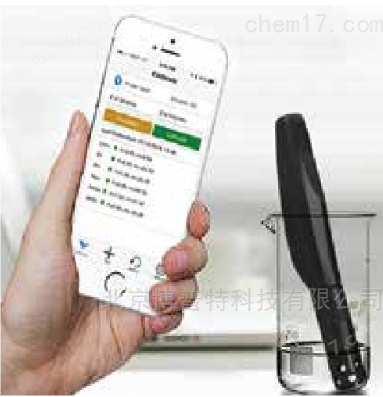
3、 Improve fertilizer utilization efficiency and reduce costs
It can measure the nutrient content in soil and analyze the form and effectiveness of nutrients. By understanding the forms of nutrients in the soil, farmers can choose suitable fertilizer types and methods to improve fertilizer utilization efficiency. For example, for plots lacking available phosphorus in the soil, quick acting phosphorus fertilizers such as superphosphate can be applied, and hole or strip application can be used to directly apply the fertilizer near the crop roots, reducing nutrient loss and fixation. By scientifically fertilizing and improving fertilizer utilization efficiency, not only can fertilization costs be reduced, but environmental pollution can also be minimized, achieving sustainable development of agriculture.
4、 Improve soil structure and create a favorable growth environment
It can also help farmers detect soil structure problems in a timely manner. For example, phenomena such as soil acidification and salinization can lead to nutrient imbalance in the soil, affecting crop growth. By measuring the acidity and nutrient content of soil, farmers can take corresponding measures for soil improvement, such as using lime to regulate acidic soil, using gypsum to improve saline alkali land, etc. Improving soil structure can not only enhance soil fertility, but also increase soil's ability to retain water and nutrients, creating a favorable soil environment for crop growth and further improving crop growth efficiency.
5、 Real time monitoring, dynamically adjusting management strategies
Real time monitoring of changes in soil nutrients can help farmers adjust their management strategies in a timely manner. The consumption and supplementation of soil nutrients during crop growth is a dynamic process. Through regular testing, farmers can promptly detect deficiencies or surpluses in soil nutrients and adjust the amount and method of fertilization in a timely manner. This dynamic management approach can ensure that soil nutrients are always in optimal condition, providing continuous support for crop growth.
VI. Summary
The soil nutrient measurement analyzer, as a modern agricultural tool, provides strong support for improving crop growth efficiency. By precise fertilization, optimizing fertilization timing, improving fertilizer utilization efficiency, improving soil structure, and real-time monitoring, farmers can significantly enhance crop growth efficiency and achieve increased yield and income. In practical applications, farmers and agricultural technicians should fully utilize the advantages of soil nutrient measuring instruments, combine local soil conditions and crop needs, and develop scientifically reasonable fertilization plans. At the same time, strengthen training and guidance on soil nutrient management, enhance farmers' awareness of scientific fertilization, and promote the modernization and sustainable development of agricultural production.